




A Prized Crop Under Pressure
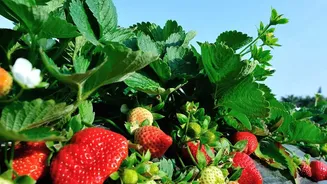
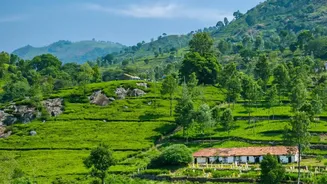
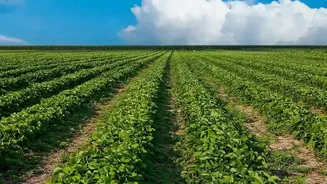
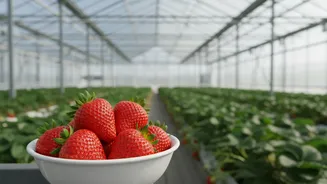
Strawberry cultivation in India, heavily concentrated in the highlands of Mahabaleshwar in Maharashtra, is facing a growing crisis. The crop is highly sensitive to weather fluctuations. Unseasonal heatwaves, warming winters, and erratic rainfall are disrupting
the delicate growing cycle. Temperatures rising above the ideal 15-20°C range cause fruit to ripen too quickly, resulting in smaller, less flavorful berries with a shorter shelf life. At the other extreme, sudden cold snaps can stunt growth and drastically reduce harvests. These climate pressures lead to significant yield volatility and financial losses for farmers, who also grapple with high costs for imported plant varieties. The very future of this iconic GI-tagged fruit belt is at risk, threatening the livelihoods of thousands.
An Unlikely Alliance for Agriculture
In response to this challenge, a significant collaboration has emerged between two of India's premier institutions: Mahatma Phule Krishi Vidyapeeth (MPKV), a leading agricultural university in Rahuri, and the Bhabha Atomic Research Centre (BARC), the nation's foremost nuclear research facility. This partnership brings together MPKV's deep expertise in horticulture and plant pathology with BARC's pioneering work in mutation breeding. For decades, BARC has successfully used radiation-based techniques to develop improved varieties of crops like pulses and oilseeds, making them higher-yielding and more resilient. By joining forces, the two institutions are aiming to develop India's first truly indigenous strawberry varieties specifically designed to withstand the country's unique and changing climatic conditions.
The Science of a Stronger Strawberry
The core of this programme lies in a proven, non-GMO scientific method called mutation breeding. Scientists at BARC expose strawberry seeds or plant tissues to controlled doses of gamma radiation. This process accelerates the natural rate of genetic mutation, which is the source of all variation in nature. This creates a large population of plants with a wide array of new traits. The next step, undertaken with MPKV, is to meticulously screen these thousands of variants to identify individual plants that exhibit desirable characteristics. The goal is to find strawberries that can tolerate higher temperatures, use water more efficiently, or show natural resistance to common diseases like powdery mildew, which become more prevalent in fluctuating weather. This technique has been used globally to develop robust crops, offering a powerful tool to fast-track the creation of climate-ready plants.
What a Climate-Ready Strawberry Looks Like
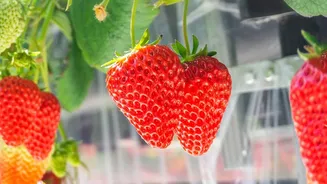
The ideal strawberry born from this programme will be a game-changer for Indian farmers. The primary goal is to develop plants that are resilient to both heat and cold stress, ensuring they can produce high-quality fruit even when temperatures are not optimal. Another key objective is improved resistance to diseases and pests, which would reduce the need for chemical interventions and lower cultivation costs. Beyond resilience, the programme also focuses on fruit quality—maintaining the sweetness, size, and aroma that consumers expect. Furthermore, by creating domestic varieties, the programme aims to reduce the nation's reliance on expensive imported planting material, which currently dominates the market. A successful outcome means a strawberry that is not just hardy and productive but also profitable for the farmer and delicious for the consumer.
From Lab to Land: The Path Ahead
Developing a new crop variety is a patient process. Experts suggest that the journey from initial irradiation to a commercially available plant can take several years of careful selection, testing, and field trials. Once promising mutants are identified, they will undergo extensive evaluation at MPKV and in farmers' fields across different agro-climatic zones to ensure they perform well under real-world conditions. While it may be a decade or more before these new varieties are widely cultivated, the initiative represents a critical, long-term investment in India's agricultural security. This project serves as a vital model for how scientific innovation can be harnessed to protect other high-value horticultural crops from the escalating impacts of climate change, ensuring a sustainable future for farmers and food systems across the country.