


Why Drainage Is Non-Negotiable
The single most important feature of any plant pot is its ability to drain. Without drainage holes, excess water has nowhere to go. It pools at the bottom, saturating the soil and cutting off the oxygen supply to the roots. Plant roots need to breathe
just as much as they need water. When they sit in stagnant water, they begin to suffocate and decay, a condition known as root rot. This is especially critical during the monsoon, when continuous rain can quickly waterlog a poorly draining pot, creating a perfect environment for fungal diseases. Once root rot sets in, a plant rarely recovers. Proper drainage ensures that even after a heavy downpour or an overzealous watering, your plant's roots have the air they need to stay healthy and absorb nutrients effectively.
What to Look for in a Pot
When choosing a pot, turn it over and inspect the bottom. A single drainage hole is the bare minimum, but multiple holes are far better, especially for pots wider than eight inches. This prevents a single exit point from becoming clogged with soil or roots over time. Don't be fooled by the old advice to add a layer of gravel or broken pot shards to the bottom of a container. This practice doesn't improve drainage; it actually creates a 'perched water table' by raising the waterlogged zone higher, bringing it closer to the plant's delicate roots. A simple piece of mesh or even a coffee filter over the holes can keep soil from washing out without impeding the flow of water. The goal is to let excess water escape freely, not to create a reservoir of stagnant moisture at the base.
Material Matters in Shifting Seasons
The material of your pot plays a huge role in how it handles moisture and temperature, making it a key factor in seasonal plant care. Terracotta (clay) pots are porous, allowing air and water to move through their walls. This 'breathability' is excellent for preventing waterlogging during the monsoon and keeping roots cool in the summer sun. However, they also dry out very quickly in hot, windy weather. Plastic and glazed ceramic pots, on the other hand, are non-porous and retain moisture for much longer. This makes them a good choice for thirsty plants or for gardeners who can't water as frequently, but it also increases the risk of root rot in humid or rainy conditions if you're not careful. For balconies with weight restrictions, lightweight plastic or fibreglass pots are a practical choice. Metal pots offer a modern look but can get very hot in direct sun.
Adapting Your Garden to the Weather
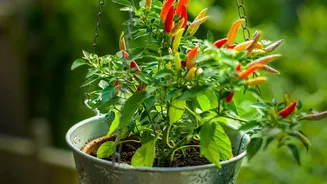
Choosing the right pot is half the battle; the other half is adapting your care routine to the season. During the monsoon, you may not need to water at all. Always check the soil first by pushing your finger a couple of inches deep; if it feels moist, wait. Consider moving sensitive plants under a covered area to shield them from constant rain. Conversely, during intense summer heat, be prepared to water more often, especially for plants in porous terracotta pots which can dry out in hours. Hanging terracotta planters can be much better than plastic ones for keeping roots cool during peak summer heat. The key is to observe how your plants and pots respond to the environment. Lighter-coloured pots will absorb less heat than dark ones, which can help protect roots from being 'cooked' on a hot afternoon.