

A Tropical Treasure of Nutrients
Papaya is more than just a sweet treat; it's a nutritional superstar perfect for the monsoon. It is loaded with Vitamin C, a powerful antioxidant that helps bolster your immune system, which can be particularly vulnerable during the rainy season. The
fruit is also rich in Vitamin A, essential for good vision and skin health, and potassium, which helps regulate blood pressure. But its most famous component is papain, a special enzyme that aids in protein digestion. This can help ease common digestive issues like bloating and constipation. With its high fibre and water content, papaya supports a healthy gut, making it a wise addition to your monsoon diet.
How to Pick the Perfect Papaya
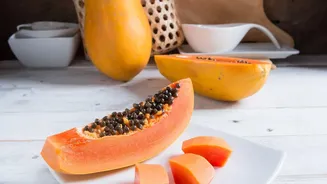
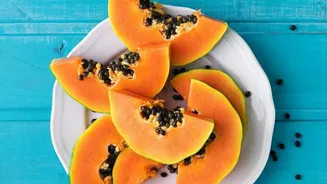
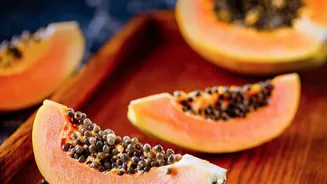
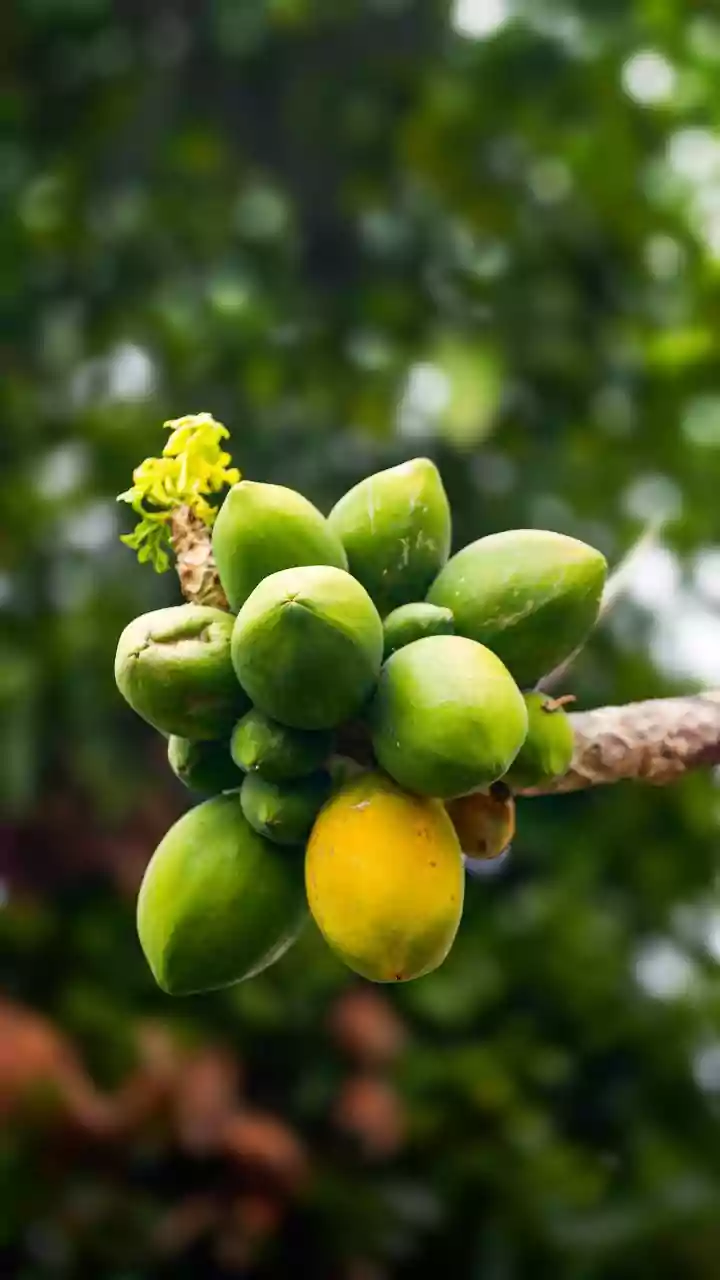
Choosing the right papaya is key to a great eating experience. Your selection should depend on when you plan to eat it. For immediate use, look for a fruit with skin that is mostly yellow or orange-gold. It should yield slightly to gentle pressure, much like a ripe avocado. A sweet, fruity aroma near the stem is another tell-tale sign of ripeness. If you're buying for later in the week, choose one with greenish-yellow skin; it will ripen over a few days at room temperature. Avoid papayas with deep bruises, blemishes, or mushy spots, as these can be signs that the fruit is overripe or has started to spoil.
Monsoon Storage: Keeping it Fresh and Safe
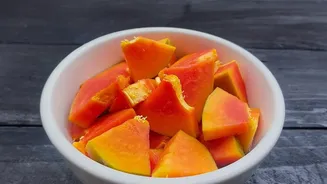
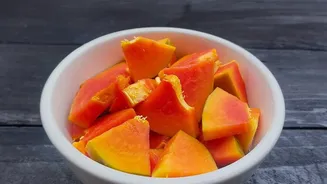
The high humidity of the monsoon can make fruits spoil faster. Proper storage is crucial. Unripe papayas should be kept at room temperature, away from direct sunlight. To speed up ripening, you can place them in a paper bag. Once a papaya is ripe, it’s best to move it to the refrigerator to preserve its flavour and texture. A ripe, uncut papaya can last for about a week in the fridge. For cut papaya, the rules are stricter during the monsoon. Scoop the flesh into an airtight container and refrigerate immediately. This prevents the fruit from absorbing other odours and protects it from the moisture-loving bacteria that thrive in this season. It's best to consume cut fruit the same day.
Myth-Busting: Is Papaya Safe in Monsoon?
A common belief in India suggests avoiding certain fruits, including papaya, during the monsoon due to the risk of stomach infections. The truth is that the fruit itself is not the problem; contamination is. High humidity and moisture create a breeding ground for bacteria and mould. Pre-cut fruits sold by street vendors are particularly risky as they are exposed to the elements and potential contaminants. However, a whole papaya that you wash, peel, and cut yourself at home is perfectly safe and healthy to eat. The key is hygiene: always wash the outside of the papaya thoroughly under running water before cutting into it to prevent transferring any surface bacteria to the flesh. By following these simple steps, you can confidently enjoy this nutritious fruit all season long.