





The Risk in Room-Temperature Meals
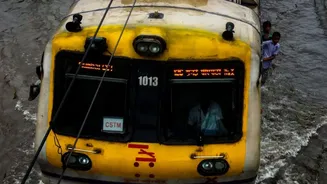
A delayed journey means your carefully packed or recently purchased takeaway meal sits for hours longer than intended. The monsoon's high humidity creates the perfect breeding ground for bacteria like E. coli and Salmonella. Food that is perfectly safe
when fresh can become a health hazard after sitting in a non-refrigerated bag during a long delay. Doctors note a significant rise in food poisoning and other gastrointestinal illnesses during the rainy season, often linked to food consumed outside the home. That creamy curry or freshly made sandwich, delicious at the start of your trip, poses a growing risk with every passing hour of delay.
Rethink 'Fresh' and 'Gravy-Based' Foods
When facing potential delays, it's wise to be wary of certain types of food. High-moisture items are the biggest culprits. This includes cut fruits and raw salads, which may have been washed in contaminated water—a common issue during monsoons. Items with gravies, mayonnaise-based spreads, or dairy products like paneer and curd spoil quickly without refrigeration, especially in the warm, humid conditions of a stalled vehicle or train compartment. Even if sourced from a reputable restaurant, these foods have a short shelf life once they leave the kitchen. Opting for hot, freshly prepared food is always safer, but that benefit is lost once the meal cools and sits for an extended period.
Embrace Dry and Shelf-Stable Snacks
The safest bet for monsoon travel is to prioritise foods with low moisture content. This is where traditional Indian travel snacks prove their worth. Items like theplas, khakhra, roasted chana (chickpeas), and mathri are designed to last for long periods without spoiling. Homemade options such as dry-stuffed parathas, lemon rice, and energy bites like besan ladoo or chikki are also excellent choices as they have a longer shelf life. Packaged and branded snacks like biscuits, nuts, and trail mixes are reliable backups. Whole fruits that you peel yourself, such as bananas and oranges, are also a safe and healthy option, avoiding the risks associated with pre-cut fruit.
Smart Ordering and Packing Strategies
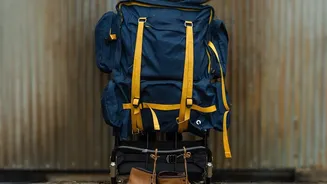
If you must order food en route, make strategic choices. Favour items that are thoroughly cooked and dry, such as vegetable pulao or dry sabzi with pooris. When possible, choose official services like IRCTC e-catering for train journeys, which often adhere to better hygiene standards. If you pack your own meal, a little preparation goes a long way. Use milk instead of water to knead dough for pooris to keep them softer for longer. Pack pickles instead of curd or raita as an accompaniment, as they are naturally preserved. It’s also wise to keep a few ready-to-eat meal packets in your bag for unexpected long delays; many modern options just require hot water and offer a safe, filling meal.
Don't Forget Hydration and Hygiene
Food isn't the only risk; water contamination is a major cause of illness during the monsoon. Always stick to sealed, bottled water and be wary of ice or juices from roadside stalls. Hand hygiene is equally critical. Carry a hand sanitiser and use it before eating, especially since access to clean water for handwashing can be limited during travel. A small detail like this can significantly reduce your risk of contracting a foodborne illness. Keeping your hands clean ensures that even if your food is safe, you aren't inadvertently contaminating it yourself.