




A Journey Transformed
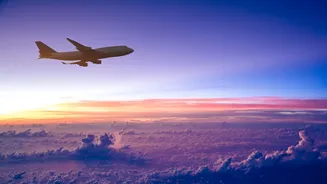
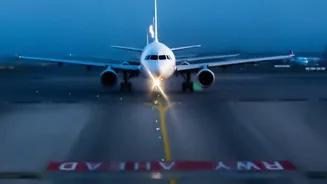
On September 28, 2026, the first non-stop commercial flight from Ulaanbaatar touched down at New Delhi's Indira Gandhi International Airport, marking a significant milestone. Operated by Mongolia's Hunnu Air, the weekly service slashes the travel time
between the two capitals to just around five hours. Previously, travellers had to endure journeys of 13 to 18 hours, with layovers in cities like Beijing or Incheon. This dramatic reduction in travel time is a game-changer, making trips for business, tourism, and medical purposes far more feasible. The service, which currently runs every Monday, was the result of a long-standing ambition, officially announced during Mongolian President Ukhnaagiin Khurelsukh's state visit to India in October 2025.
Strengthening a 'Spiritual Neighbourhood'
India and Mongolia are not just strategic partners; they are 'spiritual neighbours,' a relationship rooted in centuries of shared Buddhist heritage. This new air bridge gives tangible form to that deep connection. For years, India's 'Act East' Policy has sought to deepen engagement with nations in East and Southeast Asia, and Mongolia holds a unique position in this strategy. Sandwiched between Russia and China, Mongolia pursues a 'third neighbour' foreign policy, actively seeking partnerships with countries beyond its immediate borders. India is a key 'third neighbour,' and this flight path physically manifests that geopolitical alignment. It moves the relationship beyond diplomatic statements, creating a direct conduit for the flow of people and ideas.
Unlocking Economic and Touristic Potential
While current bilateral trade is modest, this direct route is expected to be a powerful catalyst for economic growth. Faster and more economical cargo transport could boost trade in sectors like mining, agriculture, and information technology. For Indian travellers, Mongolia's vast, untouched landscapes, unique nomadic culture, and historical sites associated with Genghis Khan are now within easy reach. Conversely, for Mongolians, the flight offers unprecedented access to India's rich Buddhist pilgrimage circuit, from Bodh Gaya to Sarnath, as well as opportunities for medical tourism. The convenience is further enhanced by a visa-free travel policy for nationals of both countries, lowering the barrier to entry for exploration and collaboration.
A Bridge for Culture, Education, and People
Beyond the economic metrics, the new route is a bridge for cultural and educational exchange. It strengthens people-to-people ties, which form the bedrock of any lasting strategic partnership. Mongolian students seeking higher education in India, professionals exploring new markets, and families visiting relatives will all benefit from the ease of travel. The shared democratic values and mutual respect between the two nations provide a strong foundation. As Prime Minister Narendra Modi noted during his historic 2015 visit to Mongolia, the two countries' destinies are linked with the future of the Asia-Pacific region. This flight is not merely about connecting two points on a map; it's about weaving two national fabrics closer together for a shared future.