








The Power of a Producer
A pivotal move in Cruise's career was his decision to produce his own films. In 1993, he co-founded Cruise/Wagner Productions, a venture that gave him significant creative control and, more importantly, a much larger financial stake in his projects. The
first Mission: Impossible in 1996 was not just a starring role for Cruise; it was a film made under his production banner. This move transformed him from a high-paid employee into an owner. Instead of just collecting a salary, he began earning a share of the profits, a strategy that would become the cornerstone of his financial empire. The Mission: Impossible franchise alone has reportedly earned him hundreds of millions over the decades.
King of the First-Dollar Gross
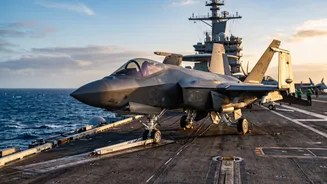
Tom Cruise is one of the few stars in Hollywood powerful enough to negotiate what's known as a "first-dollar gross" deal. Unlike typical profit-sharing, where an actor gets a percentage of the money left after the studio covers all its costs, a first-dollar deal gives Cruise a cut of the box office revenue from the very first ticket sold. This means he gets paid before the studio even breaks even. For Top Gun: Maverick, Cruise took a relatively modest upfront salary of around $13 million, but his first-dollar gross agreement entitled him to a percentage of the film's massive $1.49 billion haul. This single deal reportedly netted him a payday of over $100 million, one of the largest in movie history.
Brand Management and Calculated Risks
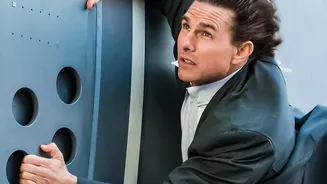
Cruise’s fortune is also a result of meticulous brand management. He has cultivated an image defined by dedication and a commitment to delivering a premium cinematic experience. His insistence on performing his own dangerous stunts—from climbing the Burj Khalifa to HALO jumps—has become a powerful marketing tool in itself. This dedication to practical effects and authentic action is a core part of his brand, justifying higher ticket prices and reinforcing his value to studios and audiences. He strategically chooses roles that reinforce this image, focusing on large-scale action films that play well with a global audience, which has been a key factor in his international box office success.
An Enduring Financial Legacy
By combining the roles of actor, producer, and dealmaker, Cruise created a financial model that is rare in Hollywood. While other stars have successful production companies or lucrative endorsement deals, Cruise's wealth is built almost entirely on the performance of his films. His production company and revenue-sharing agreements ensure that his earnings compound over time, with money coming in from box office receipts, streaming rights, and syndication long after a movie leaves theatres. This structure has allowed him to accumulate a career earnings total that is estimated to be over $1 billion, solidifying his $600 million net worth and his status as not just a movie star, but a formidable businessman.