






Cardiovascular Health: The Walking Advantage
When it comes to heart health, walking takes a clear lead. Brisk walking is a form of aerobic exercise that strengthens the heart, improves circulation, and helps lower blood pressure. Studies show that walking 30 minutes a day, five times a week, can
significantly reduce the risk of coronary heart disease. While a Pilates session does elevate your heart rate, it generally doesn't provide the sustained cardiovascular challenge that a brisk walk does. Think of walking as your go-to for building endurance and keeping your heart in top condition. Its rhythmic nature is not only good for your body but also has a calming effect, helping to reduce stress.
Core Strength and Posture: The Pilates Powerhouse
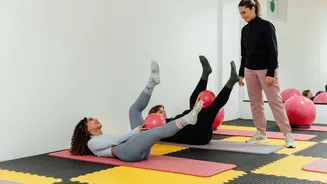
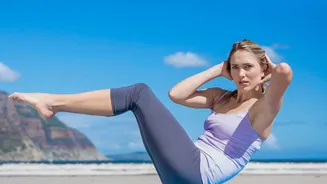
If your goal is to build deep strength, improve posture, and enhance body awareness, Pilates is unparalleled. It focuses on controlled movements that target the body's 'powerhouse'—the deep muscles of the core, back, and hips. This focus helps correct muscular imbalances, increase flexibility, and create a strong, stable foundation for all other movements. While walking is a fantastic whole-body activity, it primarily involves forward motion and doesn't specifically target rotational or lateral stability muscles. Pilates fills this gap, strengthening the smaller, stabilizing muscles that support a healthy spine and better posture in daily life.
Weight Management: A Tale of Two Strategies
In the context of weight management, walking and Pilates work in different but complementary ways. Walking, as a steady-state cardio activity, tends to burn more calories during the session itself. A consistent brisk walking routine can contribute directly to the calorie deficit needed for fat loss. Pilates, on the other hand, excels at building lean muscle mass. More muscle increases your resting metabolic rate, meaning your body burns more calories even when you're not exercising. So, while walking provides a more immediate calorie burn, Pilates offers long-term metabolic benefits that contribute to body shaping and toning.
Accessibility, Cost, and Convenience
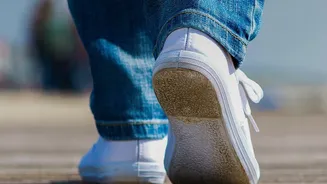
Walking is arguably the most accessible form of exercise in the world. It’s free, requires no special equipment beyond a comfortable pair of shoes, and can be done almost anywhere, anytime. You can easily break it up into smaller chunks throughout the day to fit a busy schedule. Pilates can also be accessible, especially with a wide array of online mat classes that require little space or equipment. However, for the full experience, especially with Reformer machines, it often involves the cost of studio classes or specialized equipment. While walking wins on sheer convenience and cost, the guided instruction of a Pilates class can be invaluable for ensuring proper form and maximizing benefits.
The Verdict: Better Together
Instead of viewing walking and Pilates as competitors, it's more effective to see them as the perfect partnership for holistic health. Walking serves as an excellent foundation for cardiovascular fitness and daily activity, keeping your heart healthy and your mood elevated. Pilates complements this by building the deep structural strength, flexibility, and body control that walking alone cannot. It makes you a better walker by improving your alignment and reducing the risk of injury. A routine that includes several brisk walks a week alongside two or three Pilates sessions creates a balanced approach that covers cardiovascular endurance, muscular strength, flexibility, and mindful movement.