





Start with a Healthy Parent Plant
The success of your new plant begins with its parent. Always choose a healthy, well-established plant to take cuttings from. Look for one with vibrant growth and no signs of disease or pests. A stressed or unhealthy parent plant will produce weak cuttings that
are less likely to root successfully. It’s best to select fresh, semi-mature growth that isn't currently flowering. Taking cuttings from a vigorous plant provides the best possible start for your propagation journey, ensuring the new plant has strong genetic material to draw from.
The Art of the Perfect Cut
Where and how you cut is crucial. You'll need a clean, sharp tool like pruning shears, a knife, or even kitchen scissors. Sterilising your tool with rubbing alcohol helps prevent bacteria from causing rot. Identify a 'node' on the stem—this is a small bump where a leaf grows from, and it's where new roots will emerge. Make a clean cut about 4-6 inches from the tip of the stem, ensuring your cutting includes at least one or two nodes. Once you have your cutting, carefully remove the lower leaves, leaving only a few at the top. This prevents leaves from rotting in the water or soil and directs the plant's energy towards root production.
Water vs. Soil Propagation
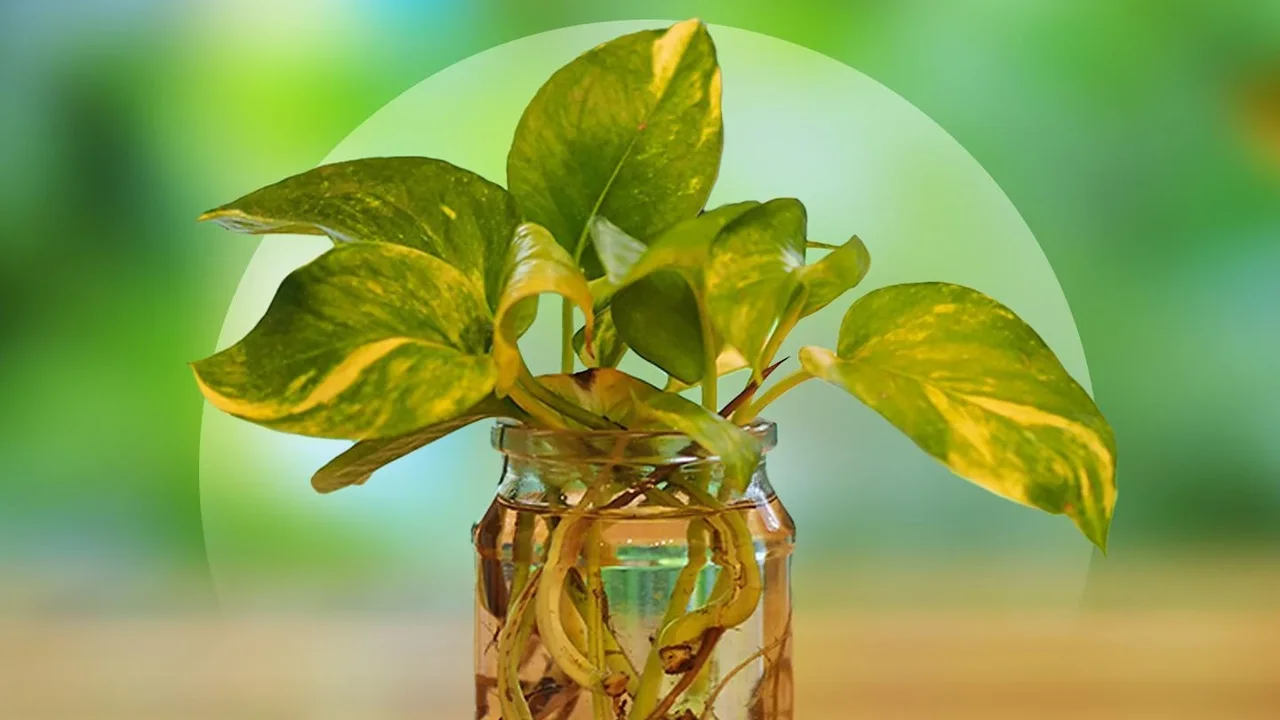
There are two primary methods for rooting cuttings: in water or directly in soil. Water propagation is popular because it's easy and you can watch the roots grow. Simply place the cutting in a jar of water, ensuring the nodes are submerged but the leaves are not. Change the water every few days to keep it fresh and oxygenated. However, soil propagation often creates stronger, more resilient roots that adapt better when potted. For this method, you can dip the cut end in a rooting hormone to speed up the process, though it's not always necessary for easy-to-root plants like pothos. Plant the cutting in a pot with a moist, soil-less potting mix. Some experts argue that water-grown roots can experience shock when transferred to soil, so starting in soil may be a more direct path to a healthy plant.
Best Plants for Beginner Propagators
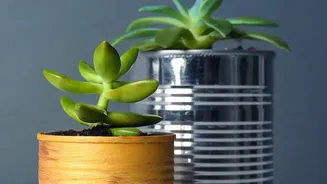
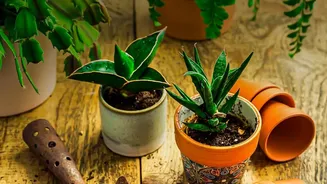
If you're new to propagation, start with plants known for being easy to root. This will build your confidence and give you a higher chance of success. Vining plants are fantastic candidates. Pothos, heartleaf philodendrons, and tradescantia (inch plants) are notoriously simple to propagate in water. Other great choices include snake plants, peperomia, and coleus. Many succulents can also be propagated from a single leaf, though the process differs slightly. By choosing one of these forgiving plants, you can learn the fundamentals of the process before moving on to more challenging species.
Patience, Light, and Humidity
Once your cutting is in its water jar or soil pot, the waiting game begins. Cuttings need bright, indirect light to get the energy they need for root growth. Direct sunlight is too intense and can scorch the delicate cutting before it has a chance to establish itself. For cuttings in soil, maintaining the right moisture level is key. The soil should be consistently moist but not waterlogged, as too much water can cause the stem to rot. To create a humid environment that prevents the cutting from drying out, you can cover the pot with a clear plastic bag. Be patient; some plants root in a week, while others can take a month or more.
From Cutting to Potted Plant
The final step is knowing when your cutting is ready for its own pot. If you've propagated in water, wait until the new roots are about one to two inches long before transplanting. Waiting too long can make it harder for the water-accustomed roots to adapt to soil. Gently place the rooted cutting into a small pot with fresh potting mix, being careful not to damage the new, delicate roots. Water it well and keep the soil lightly moist for the first few weeks as the plant settles into its new home. For soil-propagated cuttings, you can give a gentle tug on the stem. If you feel resistance, it means a root system has formed and the plant is established.