



Another Year, Another Alarming Low
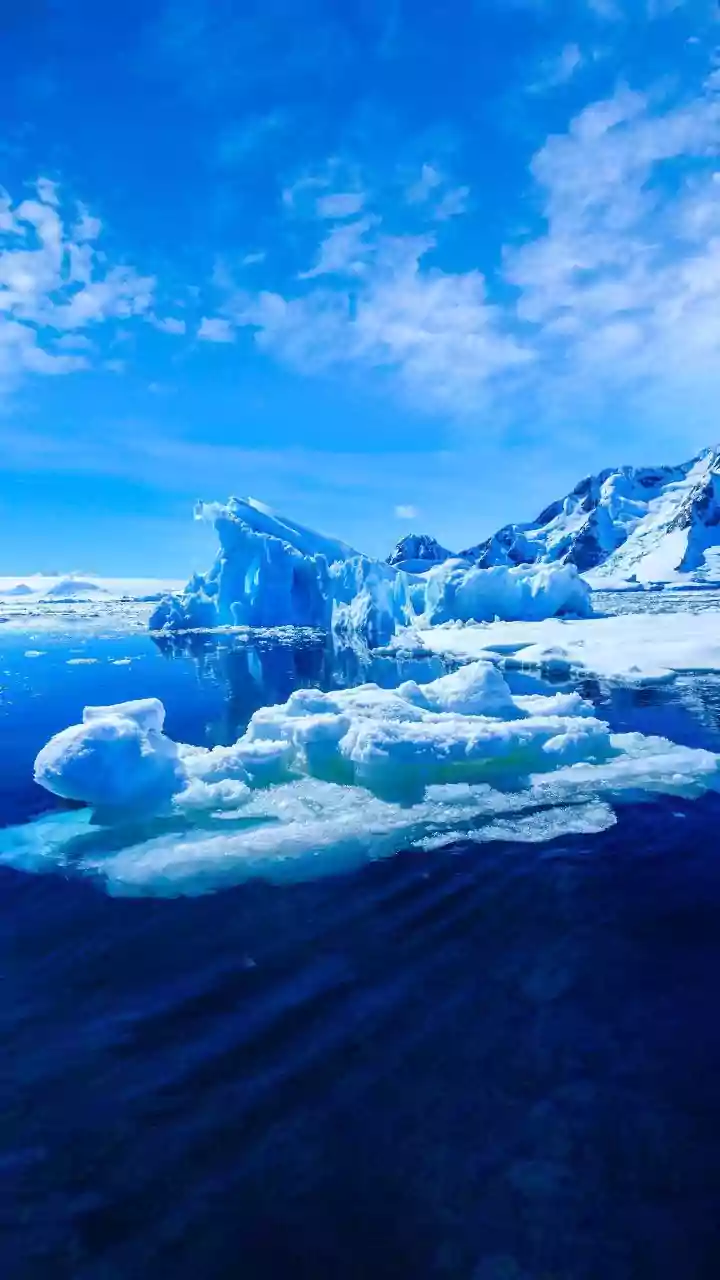
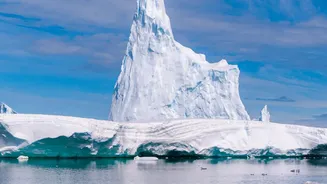
On September 14, 2026, sea ice around Antarctica reached its maximum extent for the year, covering approximately 17.59 million square kilometres. While this number sounds vast, it is about one million square kilometres—an area roughly twice the size of
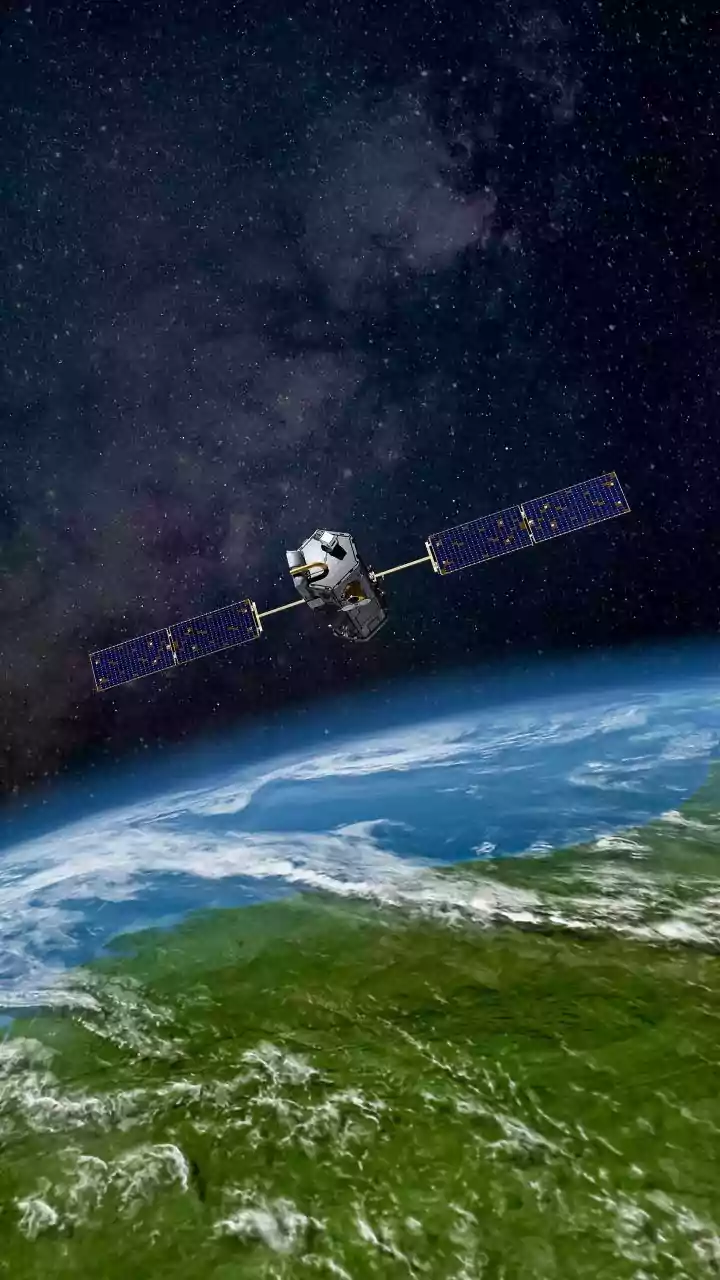
Spain—below the long-term average for the winter peak. This marks the third-lowest winter maximum since satellite records began nearly 48 years ago. What particularly alarms scientists is not just a single bad year, but the emerging pattern: the four lowest winter sea ice maximums on record have all occurred in the last four years. This consistent shortfall suggests the continent may be entering a new, low-ice era, a stark departure from its previous stability.
The Old Anomaly Has Vanished
For a long time, Antarctica was the odd one out. While Arctic sea ice has been in a steep, well-documented decline for decades, Antarctic sea ice was variable but slightly expanding until around 2015. This contrast puzzled scientists and was often highlighted in climate change discussions. However, that pattern has shattered. Starting with a sharp decline in 2016, Antarctic sea ice levels have repeatedly plunged to record lows and have not recovered. Researchers now believe this is not a temporary dip but a potential regime shift. The continent that once seemed to defy global warming trends is now showing clear signs of change.
What's Causing the Sudden Decline?
The drivers behind this dramatic change are complex. One leading theory points to a shift in the Southern Ocean's structure. For years, a surface layer of cold, fresh water acted like a lid, trapping warmer, saltier ocean water deep below. However, changes in wind patterns, partly driven by global warming and the ozone hole, have intensified the upwelling of this warmer deep water. This heat, now reaching the surface, is melting sea ice from below and making it more difficult for new ice to form. It's a self-reinforcing cycle: less ice means the dark ocean absorbs more sunlight, which further warms the water and melts more ice.
Why Floating Ice Matters So Much
Though melting sea ice doesn't directly raise sea levels because it's already floating, its loss has critical indirect consequences. First is the albedo effect: the bright, white surface of ice reflects the sun's energy back into space, helping to keep the planet cool. When replaced by dark ocean water, more heat is absorbed, accelerating global warming. Second, sea ice acts as a protective barrier for the continent's massive ice shelves. Without it, these shelves are more exposed to ocean waves and warming waters, which can increase fracturing and speed up the flow of land-based glaciers into the sea—a direct contributor to rising sea levels. The ecosystem also depends on it; species from krill to penguins and seals rely on sea ice for feeding, breeding, and shelter.
An Uncharted and Worrying Future
The rapid pace of this change has outstripped the predictions of many climate models, leaving scientists racing to understand its full implications. The key question is whether this is a permanent state shift for Antarctica. A sustained period of low sea ice could trigger tipping points with global ramifications, from altered ocean currents that regulate climate to accelerated sea-level rise affecting coastal communities worldwide. The decline is no longer seen as a future possibility but as a problem happening now, transforming one of Earth's most vital and remote regions before our eyes.