




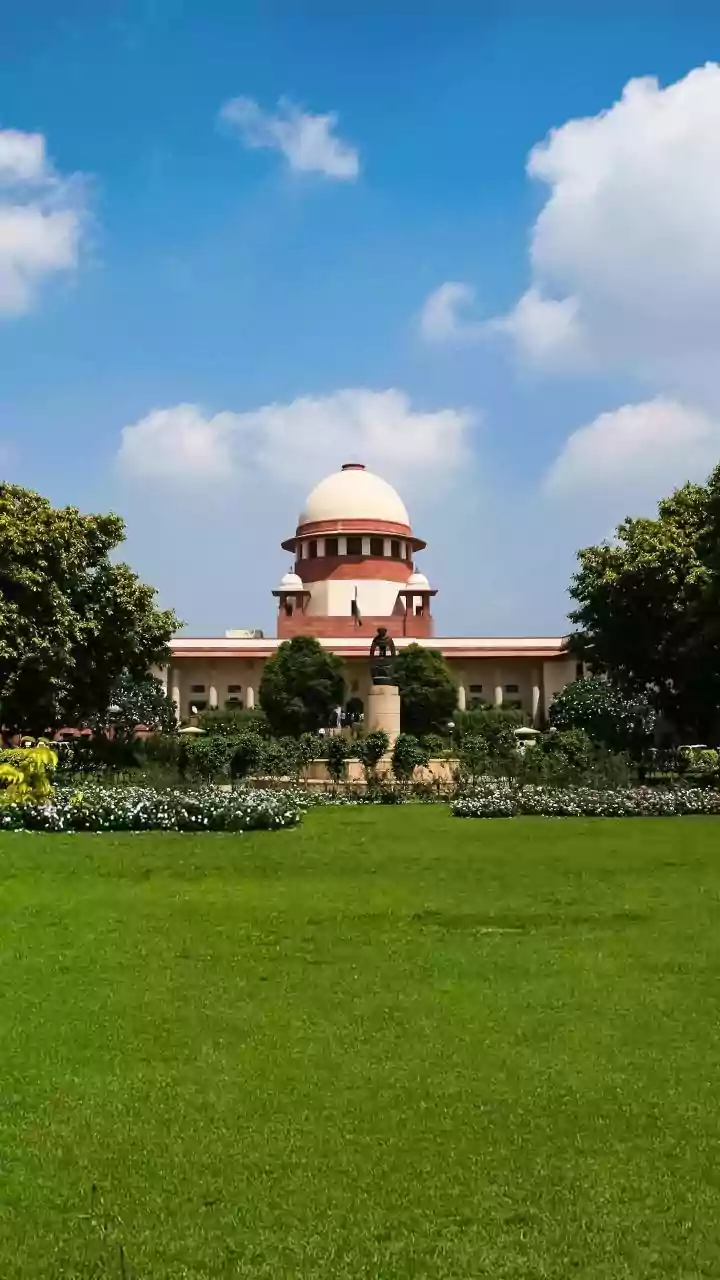




Bringing the High Court Closer to Home
Until recently, residents of Ladakh faced a formidable challenge in seeking justice. The nearest benches of the High Court of Jammu and Kashmir and Ladakh were in Srinagar or Jammu. For people in the remote, high-altitude region, this meant arduous and expensive
journeys, often across mountain passes blocked by snow for several months a year. This geographical barrier effectively placed justice out of reach for many. In a landmark move, a permanent bench of the High Court was inaugurated in Leh in October 2026. This isn't a temporary circuit court; it's a permanent sitting that can hear writ petitions and other high-stakes cases within the Union Territory itself. The new bench is designed to be a modern, paperless court, leveraging technology to overcome physical distances and ensure that justice is delivered closer to the litigant's door.
What the New Court Bench Means for Ladakhis
The establishment of the Leh bench is more than an administrative reshuffle; it's a fundamental change in access to rights for the nearly three lakh residents of Ladakh. Previously, the cost and time of travel were prohibitive for ordinary citizens, government employees, and those in remote communities needing to file cases or appeals. Now, with judicial services available locally, citizens have a more practical path to legal remedies. Chief Justice of India Surya Kant, speaking at the inauguration, emphasised that the goal was to ensure the court stands close to the people it serves. The move is expected to reduce hardships, time, and expenditure for litigants and marks a new chapter in the region's judicial history, ensuring that difficult terrain is no longer a barrier to justice.
A Renewed Focus on Higher Education
Alongside legal reforms, there is a concerted effort to enhance higher education within Ladakh. The administration is focusing on strengthening the University of Ladakh and its constituent colleges in Leh, Kargil, Nubra, Zanskar, Dras, and Khalatse. A key challenge has been ensuring equitable access and improving student enrolment, particularly in remote areas. In early October 2026, the Chief Secretary of Ladakh chaired a high-level meeting to address faculty vacancies and explore the introduction of specialised, skill-based courses tailored to the region's needs. The discussions centred on linking education with local employment opportunities in fields like agriculture, tourism, and nursing to encourage students to pursue higher education within Ladakh. Furthermore, the central government recently approved the operationalisation of Ladakh's first government medical college in Leh, set to open in 2027-28, a major step toward building local capacity in the healthcare sector.
Building Institutions for the Future
These initiatives are part of a broader strategy to build robust, independent institutions in Ladakh following its establishment as a Union Territory in 2019. The strengthening of the Ladakh Legal Services Authority and the establishment of new courts are aimed at creating a comprehensive legal aid system that reaches every corner of the vast territory. Similarly, the focus on creating employment-oriented university courses and a new medical college is designed to provide Ladakh's youth with opportunities at home, reducing brain drain and fostering local economic development. While challenges like faculty recruitment and infrastructure development remain, these steps are seen as critical building blocks for a self-reliant and prosperous future for the region.