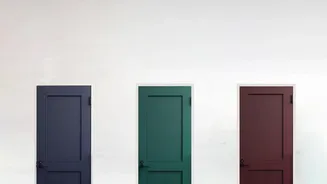



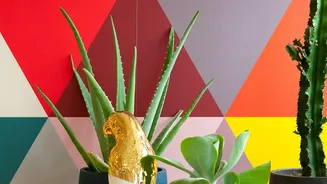
The Enduring Appeal of Colour-Blocking
First, a quick refresher on what makes colour-blocking such a powerful design tool. At its core, colour-blocking is the technique of using two or more solid blocks of colour to create a deliberate, graphic statement. It’s a concept borrowed from fashion
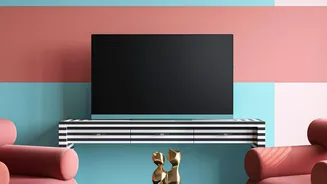
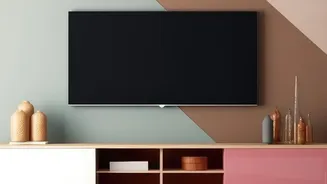
that has found a permanent home in interior design. It can be used to create a focal point, define a specific zone in an open-plan space, or even alter the perceived dimensions of a room. A horizontal block of colour can make a room feel wider, while vertical stripes can add a sense of height. It’s more than just an accent wall; it’s about using colour with architectural intention, creating shapes and forms that interact with your space. Sophisticated palettes often stick to two or three colours plus a neutral to avoid looking too busy.
A Fresh Twist: The Removable Panel
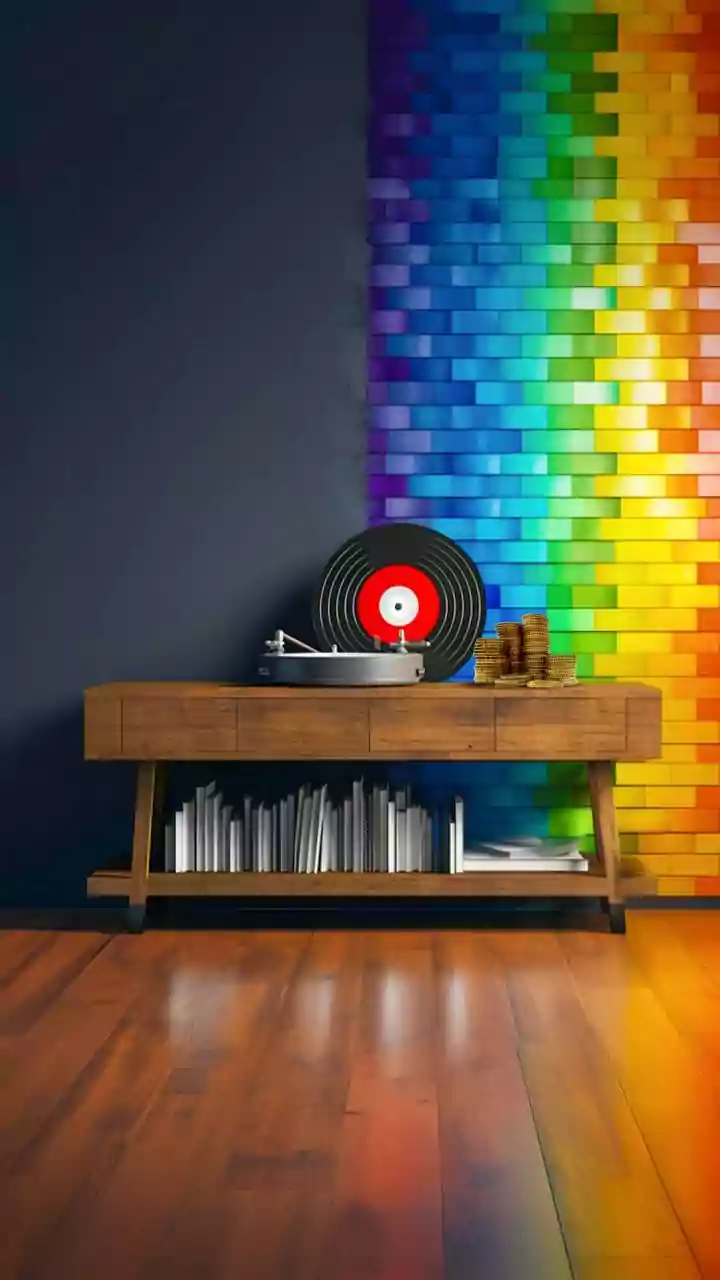
Traditionally, achieving a colour-blocked look meant careful planning with painter's tape, rollers, and a healthy dose of patience. But a new approach is making it dramatically easier: removable panels. Think of them as large-scale, self-adhesive stickers or lightweight boards that come in solid colours or textures. These products, often made from durable vinyl or lightweight composites, are designed to be applied directly to the wall and, crucially, removed without damaging the paint underneath. This innovation takes the core principle of colour-blocking and pairs it with the flexibility of temporary decor, offering a solution for both homeowners who love to change their minds and renters who are bound by lease agreements.
Commitment-Free Creativity
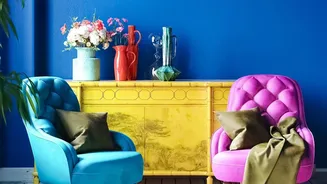
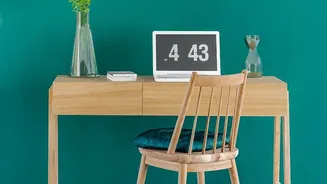
The primary advantage of using removable panels is the freedom from commitment. You can experiment with bold colour combinations, like emerald and blush or navy and ochre, without the long-term consequences of paint. This is a game-changer for renters who are often prohibited from making permanent changes to their walls. Removable panels offer a way to personalize a space and make it feel like home, while ensuring you can get your security deposit back. Beyond the rental market, they also appeal to anyone who enjoys seasonal decorating or simply wants to test-drive a trend. If you tire of a colour or a shape in a year, you can simply peel it off and try something new, a far cry from the sanding and repainting required to undo a painted feature.
Styling Your Space With Panels
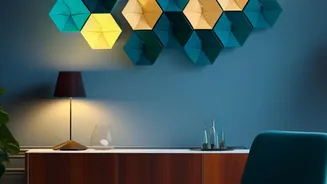
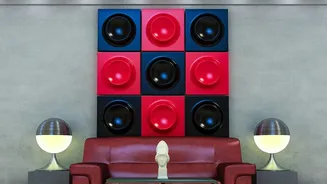
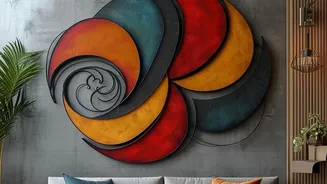
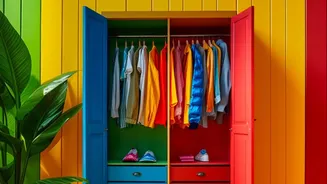
The creative applications for removable panels are nearly endless. One popular trend is creating a painted-arch effect behind a headboard or console table, which can be achieved with a single, well-placed arched panel. You can also use rectangular panels to create a faux headboard, add a horizontal band of colour across a living room wall to create a visual horizon line, or define a WFH nook in a larger room. For a more artistic approach, use multiple smaller panels to create your own geometric composition. These panels are often easy to cut, allowing you to work around outlets and architectural details for a clean finish. You can even use them on furniture, like the front of a dresser or a wardrobe, to tie the colour scheme of the room together.
DIY or Buy: Your Options
You have two main paths to bringing this look home: purchasing ready-made panels or creating your own. Many companies now offer peel-and-stick wall panels in various colours, sizes, and even textures like wood or brick. These are often sold in packs and are designed for easy, tool-free installation. The DIY route offers more customization. You can purchase lightweight foam boards or thin plywood from a craft or hardware store, paint them in your desired colours, and then affix them to the wall using high-quality removable adhesive strips. This approach allows you to create custom shapes and match paint colours exactly to your existing decor. Whichever route you choose, always test the adhesive on a discreet part of your wall first to ensure it removes cleanly, especially on older or textured surfaces.