






What Do the New Sanctions Target?
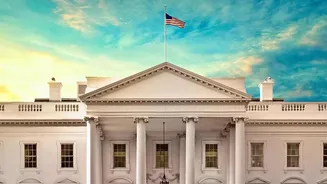
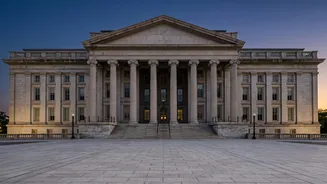
The latest measures announced by the US Treasury Department are designed to be comprehensive, targeting five specific sectors of the Iranian economy. These include digital assets and cryptocurrency used by the regime, weapons-related technologies, the gold
market used to stabilise the Iranian currency, the national airline, and shipping operations involved in transporting weapons or oil. In addition to these sectoral sanctions, the US has also designated 60 specific entities, individuals, and vessels that it says enable Iran's nuclear and missile programs, facilitate cyber operations, or help sell its oil on the global market. The stated goal is to achieve the “economic asphyxiation” of the Iranian regime by closing loopholes in the existing financial dragnet.
How Do These Sanctions Work?
The power of these sanctions lies in their extraterritorial reach, a mechanism known as “secondary sanctions.” While primary sanctions prohibit US citizens and companies from doing business with Iran, secondary sanctions target non-US entities—be they banks in Europe or trading firms in Asia. These foreign companies are presented with a stark choice: either continue doing business with sanctioned Iranian entities and risk being cut off from the entire US financial system, or cease their activities with Iran to maintain access to US markets and the global dollar system. For most international businesses, losing access to the world's primary reserve currency and largest economy is not a viable option. Any entity found to be facilitating transactions or laundering money for Iran could be removed from the US dollar system.
Why Is This Happening Now?
These sanctions come nearly six months into a conflict that began when the US and Israel launched strikes against Iran in February 2026. That conflict, which saw the death of Iran's Supreme Leader, has led to a military stalemate and stalled peace talks. The US administration hopes that intensifying economic pressure can break the deadlock where military action has not. The sanctions are part of a strategic shift to force Tehran back to the negotiating table by crippling its economy, which has already been battered by decades of sanctions, mismanagement, and now war. The Iranian rial has hit record lows, and the country is facing severe economic hardship.
What Are the Global Implications?
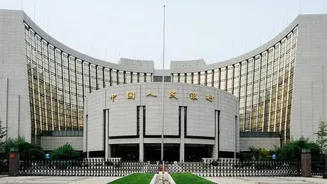
Washington has made it clear that it expects international cooperation, putting Iran's major trading partners on notice. Countries like China, Turkey, and the United Arab Emirates are major economic partners for Iran. While the UAE recently announced it was suspending trade with Tehran, China has voiced its opposition to unilateral sanctions. The US Treasury has warned that “no one is above the reach of US sanctions,” but it has also given countries a grace period to comply, seeking to avoid what the Treasury Secretary called “blowing up the global financial system.” The test of this policy will be whether major economies like China and India view the US threats as credible enough to sever their ties with Iran, a decision that carries its own economic and geopolitical risks.
What Has the Reaction Been?
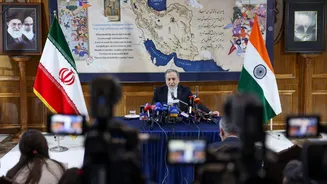
Iran has responded defiantly, vowing to retaliate against any country that cooperates with the US sanctions campaign and dismissing the measures as a sign of American desperation. Officials in Tehran have framed the return to economic warfare as an admission that the US military campaign has failed to achieve its objectives. Meanwhile, China's foreign ministry has stated that sanctions and pressure will only escalate tensions and not solve the underlying issues. The international community remains divided, with some allies supporting the US pressure campaign while others worry about the potential for further conflict and global economic instability, particularly in energy markets already strained by Iran's disruption of shipping in the Strait of Hormuz.