



The Imposter in Your Spice Rack
Cinnamon is one of the world's oldest and most beloved spices, but a case of mistaken identity is rampant in kitchens everywhere. Most ground cinnamon and cinnamon sticks sold in supermarkets, particularly in North America, are not derived from the 'true
cinnamon' tree. Instead, they come from several related species collectively known as cassia. While both are harvested from the bark of trees in the Cinnamomum genus, they are botanically different. True cinnamon, known as Ceylon cinnamon, comes from the Cinnamomum verum tree, which is native to Sri Lanka. Cassia, often called Chinese cinnamon, is primarily grown in China, Indonesia, and Vietnam. The reason for the swap is simple: cassia is cheaper to produce and has a more robust, aggressive flavour, making it suitable for mass-market food production.
A Visual Guide: Delicate Rolls vs. Thick Scrolls
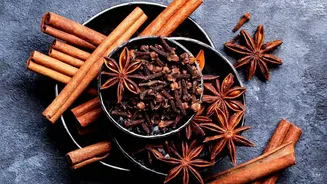
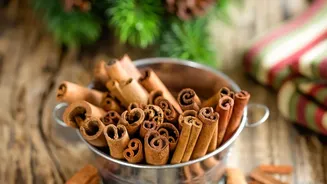
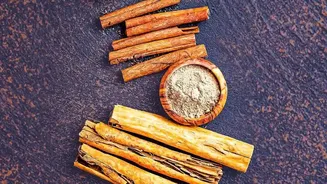
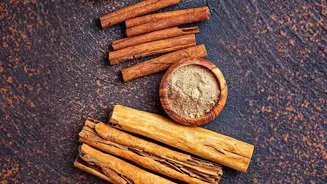
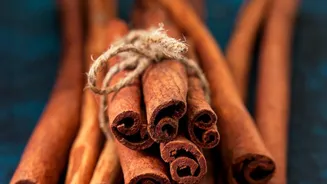
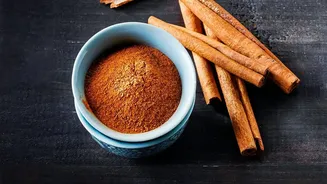
The most definitive way to tell the two apart is by looking at the sticks, or 'quills'. This is where the headline's observation about delicacy comes into play. True Ceylon cinnamon is composed of many paper-thin layers of bark that have been rolled together into a tight, brittle stick that resembles a cigar. It's light tan-brown in colour and so fragile you can often crumble it with your fingers. Cassia, on the other hand, is a different story. It consists of a single, thick layer of bark that curls inward from both sides to form a hollow, scroll-like tube. Cassia is dark, reddish-brown, woody, and rock-hard, making it nearly impossible to break by hand. Once ground, telling them apart by sight is nearly impossible, though Ceylon powder is often a lighter tan colour compared to the reddish-brown of cassia.
A World of Difference in Flavour
The visual differences are mirrored in their taste profiles. Cassia delivers the powerful, spicy, and slightly bitter punch most people associate with the word 'cinnamon'. Its bold flavour comes from a high concentration of an essential oil called cinnamaldehyde, which can make up around 95% of its oil content. This intensity holds up well in heavy, savoury dishes and commercial baked goods. Ceylon cinnamon is far more subtle and complex. With a lower cinnamaldehyde content (around 50-63%), its flavour is mild, sweet, and aromatic, with delicate floral and citrus notes. It enhances food without overpowering it, making it the preferred choice for fine desserts, teas, and dishes where a nuanced flavour is desired.
The Health Question: Understanding Coumarin
Beyond aesthetics and taste, there is a significant health-related distinction: a naturally occurring compound called coumarin. Coumarin is present in both types of cinnamon but in vastly different concentrations. Cassia is high in coumarin, containing about 1% on average, which is roughly 250 times more than Ceylon cinnamon. In some varieties, like Vietnamese cassia, the concentration can be even higher. For most people, consuming cassia in small, occasional amounts is not a concern. However, for those who consume large quantities of cinnamon regularly, high coumarin intake has been linked to potential liver issues in sensitive individuals. Ceylon cinnamon, by contrast, contains only trace amounts (about 0.004%), making it the safer choice for daily use or for those taking cinnamon for its health benefits.
Making an Informed Choice
So why is cassia so dominant? It's more robust, easier to harvest, and significantly cheaper, which ensures its place as the default 'cinnamon' in most grocery stores. If a product is simply labelled 'cinnamon' without specifying 'Ceylon', it is almost certainly cassia. Finding true Ceylon cinnamon often requires a visit to a specialty spice shop, a health food store, or a reputable online retailer. While it comes at a premium price, its delicate flavour and low coumarin levels make it a worthwhile investment for discerning cooks and health-conscious consumers. Whether you need the powerful kick of cassia for a fiery curry or the subtle sweetness of Ceylon for a delicate pastry, knowing the difference empowers you to choose the right spice for the job.