


The News: New Varieties and Collaborations
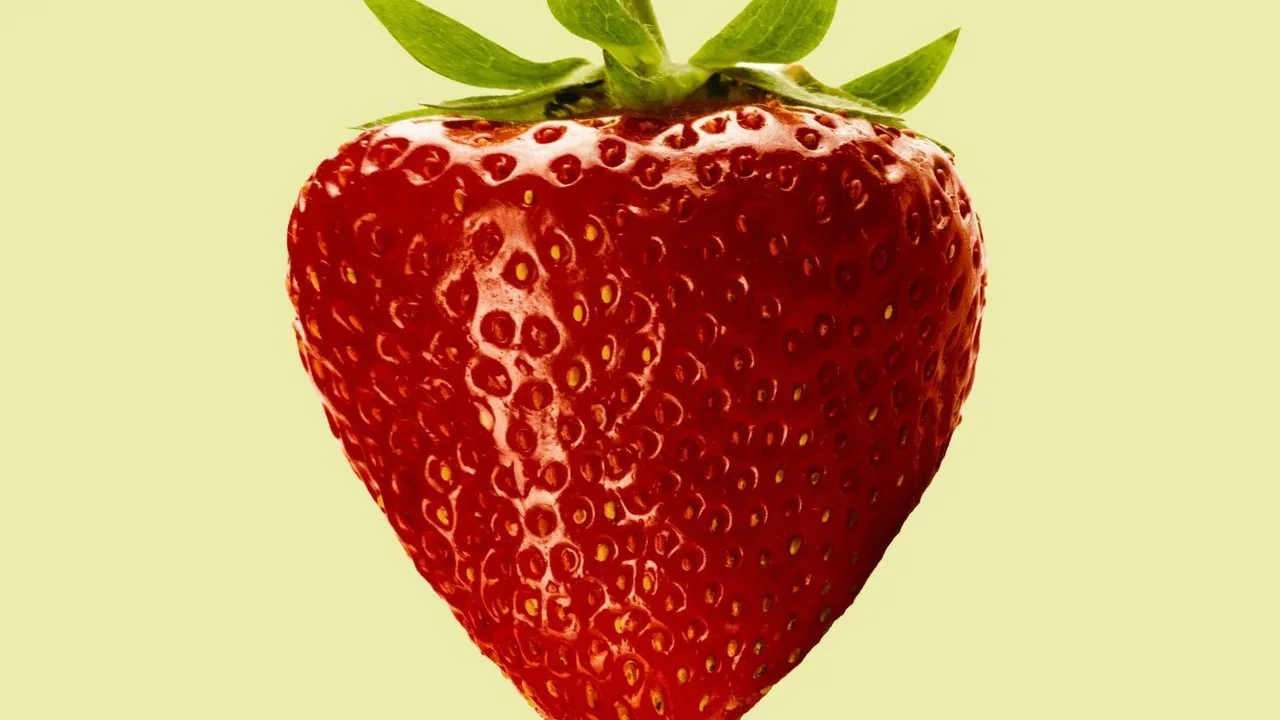
The biggest news in Indian strawberry cultivation is the push for self-reliance and climate resilience. For years, Indian farmers have depended heavily on imported mother saplings from places like California, which created vulnerabilities in cost and supply.
To counter this, Indian research institutions are actively developing indigenous varieties. A notable joint project between Mahatma Phule Agricultural University and the Bhabha Atomic Research Centre is using gamma irradiation to create India's first native strawberry, a long-term project aiming to produce climate-resilient plants. In the more immediate term, international partnerships are bringing new, adaptable varieties to Indian soil. In 2024 and 2025, collaborations with Italian breeder Nova Siri Genetics brought new cultivars to the country, focusing on fruit quality, yield, and shelf life. Varieties like 'Sweet Sensation' and 'Winter Dawn,' developed at the University of Florida, are also gaining popularity. These are chosen for their heat tolerance, making them suitable for cultivation in the plains and subtropical regions, expanding strawberry farming far beyond its traditional hilly confines.
The Scale: From Mahabaleshwar to the Nation
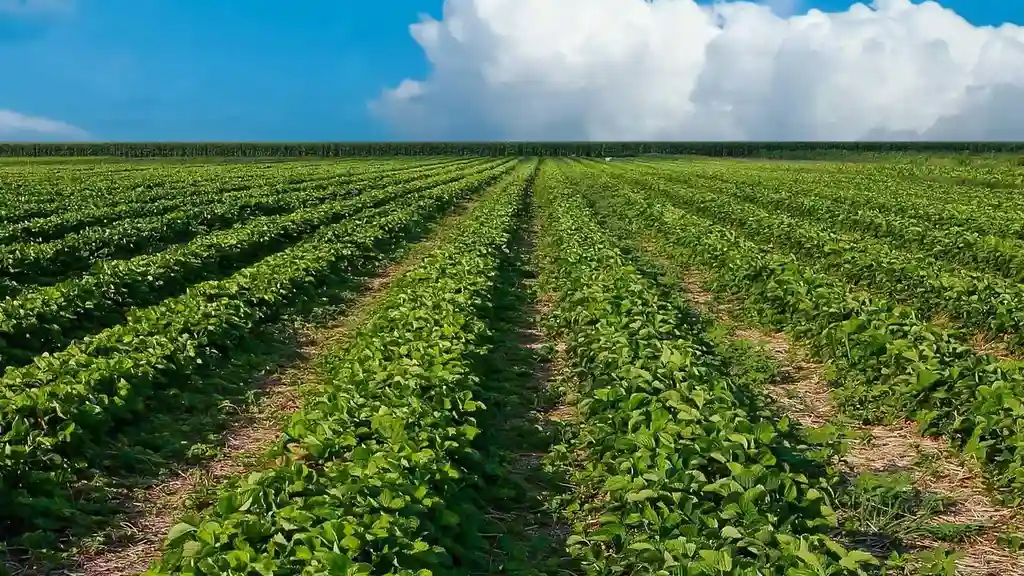
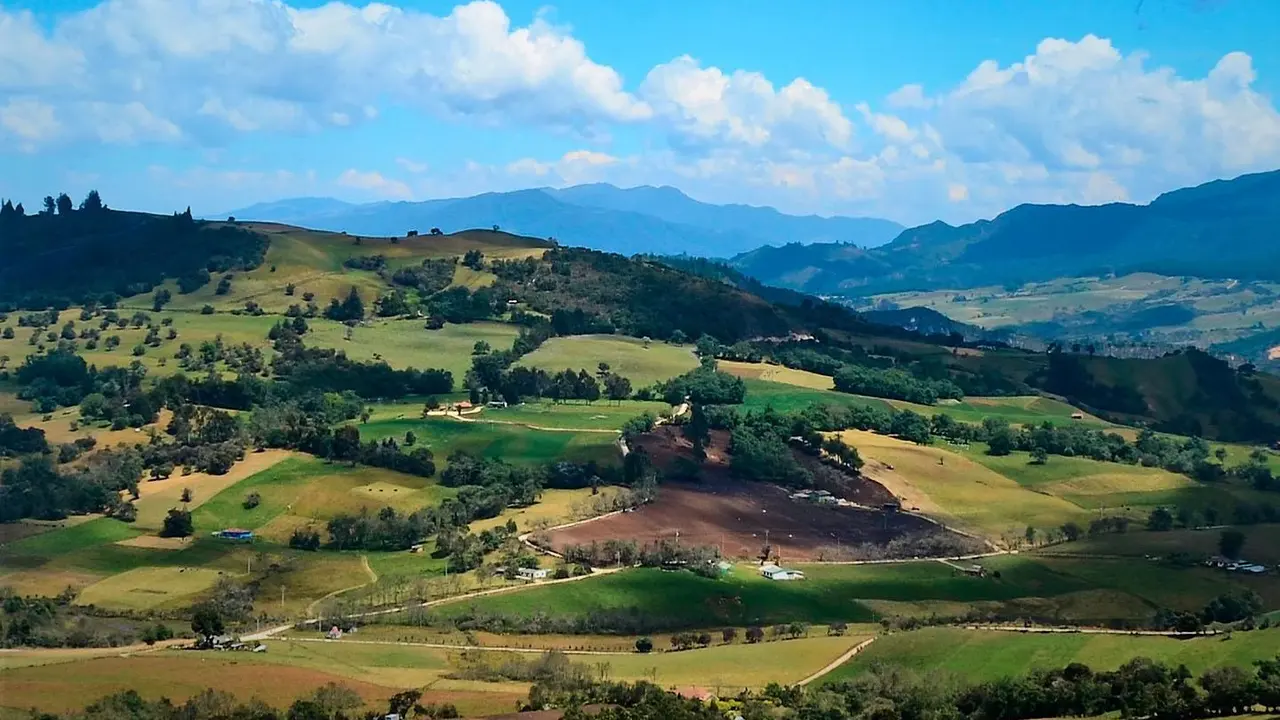
The heartland of Indian strawberry production is the Mahabaleshwar-Panchgani belt in Maharashtra, which accounts for a staggering 85% of the country's total output. This region's cool climate and distinct red soil are ideal for the crop, a fact recognized in 2010 when the 'Mahabaleshwar Strawberry' was granted a Geographical Indication (GI) tag, assuring its quality and origin. Annually, this area produces thousands of metric tonnes, supporting a local economy built around the fruit. However, the story is no longer confined to this single region. Strawberry cultivation is now a viable enterprise in other parts of Maharashtra, like Nashik, as well as in states such as Haryana, Himachal Pradesh, Punjab, and West Bengal. This expansion is driven by the availability of new plant varieties and modern farming techniques. While national production has seen fluctuations due to weather, the overall trend is one of growth and geographical diversification as demand from fresh markets and food processors continues to rise.
The Status: Opportunities Meet Challenges
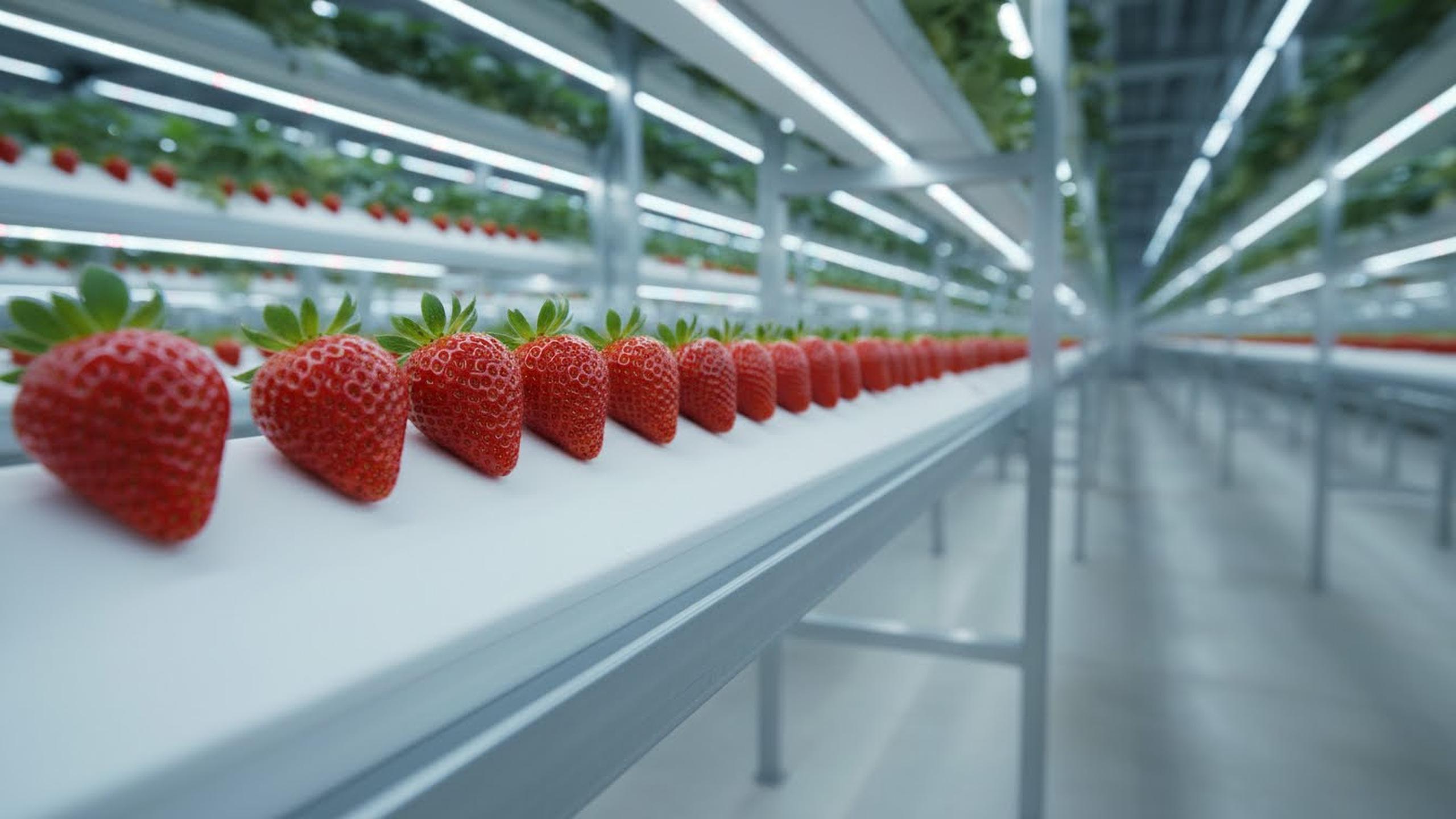
Despite the progress, Indian strawberry farmers face significant hurdles. The crop is notoriously sensitive, and unpredictable weather, particularly rising winter temperatures, can severely impact yield and fruit quality. Farmers also contend with a host of fungal diseases and pests, which can necessitate frequent pesticide use, increasing costs and environmental concerns. Furthermore, the strawberry's highly perishable nature presents a major supply chain challenge. A short shelf life means post-harvest losses can be high, and efficient transportation and storage infrastructure are critical. Yet, the opportunities remain vast. Innovations like hydroponic and soilless cultivation are being adopted by some larger farms to mitigate risks associated with soil and climate, offering greater control over the growing environment. The demand for fresh and processed strawberries is strong, and with the development of hardier, locally-adapted varieties, the potential for a more stable and profitable industry is within reach, including renewed possibilities for export.