



The Science of Ripening
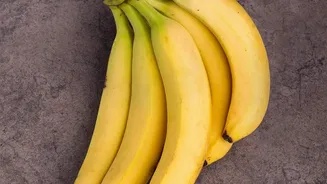
To understand why wrapping the stems might work, we first need to understand how bananas ripen. Bananas are what’s known as a climacteric fruit, meaning they continue to ripen after being harvested. This process is driven by a natural plant hormone called
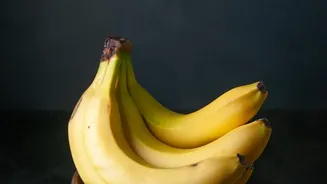
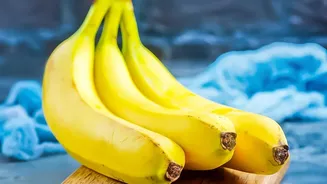
ethylene gas. As a banana ripens, it produces ethylene, which in turn signals the fruit to convert starches into sugar, soften its flesh, and develop that sweet, familiar flavour and yellow colour. This gas is released from the entire fruit, but it escapes in higher concentrations from the stems, or the crown, where the bunch is connected.
Does Wrapping the Stems Really Work?
The short answer is yes, it can help. By tightly wrapping the stems with plastic wrap or aluminium foil, you can trap some of the ethylene gas and slow its release. This containment prevents the gas from travelling down and accelerating the ripening of the rest of the fruit. However, it is important to manage expectations. This method is not a magic bullet that will stop the ripening process entirely; gas still escapes through the peel itself. Instead, think of it as a way to buy yourself a few extra days of freshness, helping to reduce food waste and ensuring you have perfectly ripe bananas for longer.
How to Do It for Best Results
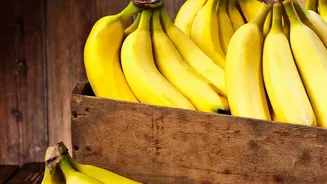
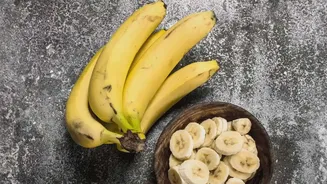
For the most effective results, there’s a little more to it than just wrapping the top of the whole bunch. The best approach is to first separate the bananas from each other. When left in a bunch, the bananas ripen each other in a chain reaction. By separating them, you isolate each one from its neighbours. Once separated, take a small piece of plastic wrap or foil and wrap it tightly around the individual stem of each banana. This extra step ensures you are trapping the ethylene gas released from each stem more effectively, giving you a better chance at extending their shelf life.
Other Tips to Keep Bananas Fresh
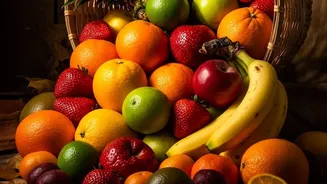
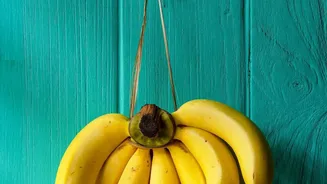
Wrapping the stems is a great first line of defence, but you can combine it with other strategies. Hanging your bananas on a hook or a dedicated banana tree is another effective method. This allows for even air circulation, preventing moisture from getting trapped underneath and causing mushy spots, and it also prevents the bruising that occurs when bananas rest on a hard surface. Also, be mindful of where you store them. Keep bananas away from other ethylene-producing fruits like apples and avocados, as this will create a ripening gas chamber. Storing them in a cool, dark place is ideal, as heat and direct sunlight accelerate ripening. And while you should never store an unripe banana in the fridge, once it has reached your desired level of ripeness, you can pop it in the refrigerator to halt the process for a couple more days. The peel will turn dark brown, but the fruit inside will remain perfectly edible.