





Why Vegetables Get Soggy
The primary culprit behind soggy microwave vegetables is simple: excess water and steam. When vegetables are frozen, the water inside them expands and forms ice crystals. These crystals can rupture the vegetable's cellular walls. When you microwave them,
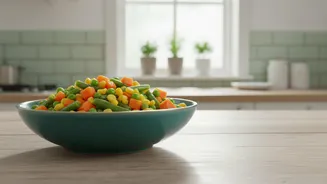
this water turns to steam. Too much water, either from adding it to the bowl or from improper cooking, essentially boils and overcooks the already-compromised cell structure, resulting in a soft, waterlogged texture. The goal is not to boil the vegetables, but to quickly steam them just until they are heated through and tender. Getting this balance right is the key to avoiding mushiness and preserving both texture and flavour.
Start from Frozen, Always
One of the most common mistakes that leads to a mushy outcome is thawing your vegetables before cooking them. When frozen vegetables thaw, they lose the structural integrity they had in their frozen state, becoming limp before they even hit the heat. Cooking them directly from frozen is the best way to maintain their texture. The rapid cooking process allows the small amount of ice on the vegetables to turn into steam, cooking them quickly without letting them sit around and get soft. This counterintuitive step is perhaps the most important one for achieving a crisp-tender result, saving you both time and the disappointment of a soggy side dish.
The Great Water Debate
How much water should you add? This is where a lot of people go wrong. Many recipes suggest adding a significant amount of water, but this often leads to boiling rather than steaming. For most frozen vegetables like broccoli, peas, or corn, the ice crystals already on them are often enough to create sufficient steam in a covered dish. A good rule of thumb is to start with very little water—no more than one or two tablespoons for a standard serving of about two cups. This small amount will generate steam quickly without waterlogging the vegetables. After cooking, you can simply drain any tiny bit of excess water that remains.
The Step-by-Step Method
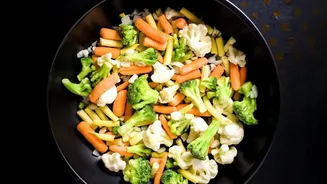
Ready to get it right every time? Follow these simple steps. First, place your frozen vegetables directly into a microwave-safe bowl. Second, add just a tablespoon or two of water. Third, cover the bowl with a microwave-safe lid or plate, leaving a small gap for steam to vent. Do not use unvented plastic wrap. Fourth, microwave on high, but be conservative with time. For two cups of vegetables, start with 3 minutes. After the time is up, carefully remove the cover and check for doneness with a fork. They should be vibrant in colour and tender but still have a slight bite. If they aren't done, stir them and continue cooking in 30-second bursts until they reach your desired texture.
Timing for Different Vegetables
Not all vegetables cook at the same rate. Your microwave's wattage will also affect cook times, so a little experimentation is key. Softer, moisture-rich vegetables cook faster. Leafy greens like frozen spinach may only need 2 to 3 minutes. Broccoli and cauliflower florets typically take about 3 to 4 minutes. A mix of peas and carrots might take 4 to 5 minutes. Harder, denser vegetables like sliced carrots or potatoes will take the longest, potentially needing 6 to 8 minutes. Always stir the vegetables halfway through the cooking time to ensure they heat evenly, especially for larger quantities or mixed vegetables. Remember to let them stand for a minute after cooking, as they will continue to steam slightly.