






The Allure of 'Natural' Skincare
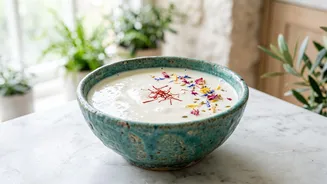
The appeal of using raw milk on the skin is understandable. It taps into a desire for 'natural' and 'raw' ingredients, a refreshing counterpoint to complex chemical formulations. Proponents, including some celebrities, suggest its benefits come from components
naturally found in milk. They point to lactic acid for gentle exfoliation, milk fats and proteins for moisturizing, and a variety of vitamins for nourishment. The idea is that using milk in its unprocessed state delivers these benefits directly to your skin, promising a brighter, softer complexion with a simple, inexpensive product straight from nature. This back-to-basics approach feels wholesome and intuitive, which is why it so easily captures the public's imagination.
The Unseen Risks of Raw Milk
The primary issue with raw milk is that it is unpasteurized. Pasteurization is a heating process that kills harmful bacteria. Without it, raw milk can be a breeding ground for dangerous pathogens like Salmonella, E. coli, Listeria, and Campylobacter. While these are well-known risks when consuming raw milk, they also pose a threat when applied topically. These bacteria can cause serious skin infections, especially if you have cuts, scratches, acne, or a compromised skin barrier from conditions like eczema. Dermatologists warn that for individuals with acne-prone or sensitive skin, applying raw milk could lead to irritation, breakouts, or allergic reactions. The potential for introducing live bacteria directly onto your face is a significant risk that experts agree is not worth taking.
What Dermatologists Say
The consensus among medical experts is clear: avoid using raw milk on your skin. Dermatologists emphasize that while milk does contain lactic acid, the concentration is inconsistent and often too low to have a meaningful exfoliating effect compared to properly formulated skincare products. Furthermore, any temporary softening effect is likely due to the film of fat and protein left on the skin, which can clog pores for those with oily or acne-prone types. Dr. Aparna Santhanam, a dermatologist, stated that the risks of using raw milk far outweigh any unproven benefits and that there is no unique advantage over safer, scientifically-backed products. The bottom line from the medical community is that pasteurized milk is safer, but professionally formulated products are a far better and more reliable choice for achieving your skincare goals.
Smarter, Safer Alternatives
If you're seeking the benefits associated with raw milk, there are much safer and more effective ways to get them. For the gentle exfoliation attributed to lactic acid, look for cleansers, toners, or serums that list it as an active ingredient. These products are created in a lab to have a specific concentration and pH level, ensuring they work effectively and safely without the risk of bacterial infection. For moisture, instead of relying on milk fats, consider ingredients like ceramides, hyaluronic acid, or glycerin, which are proven to hydrate the skin and support its natural barrier. If you're looking for soothing properties, ingredients like niacinamide or oat extract are excellent choices for calming inflammation and redness. These alternatives provide the desired results without turning your skincare routine into a microbiological gamble.