



A National Push for Connectivity
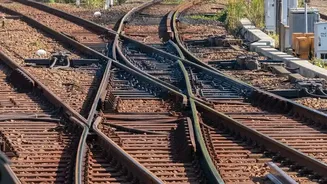
In early September 2026, the Cabinet Committee on Economic Affairs (CCEA) approved three significant multi-tracking projects valued at approximately Rs 10,783 crore. This initiative is set to add around 656 kilometres of railway lines, primarily by adding
third and fourth lines to congested existing routes. The expansion spans 14 districts and is designed to benefit nearly 4,790 villages, connecting a population of about 56 lakh. This move is part of the broader PM Gati Shakti National Master Plan, which aims to create integrated and efficient infrastructure to boost economic activity and improve the ease of travel for both passengers and freight. The five states at the heart of this particular expansion are West Bengal, Jharkhand, Odisha, Madhya Pradesh, and Chhattisgarh.
West Bengal & Jharkhand: Easing Eastern Corridors
West Bengal and Jharkhand are central to the new expansion plans, particularly through the Kharagpur-Jharsuguda fourth line project. This corridor is a critical artery for freight movement, especially for commodities like coal and steel from the mineral-rich regions of eastern India. By adding more tracks, the Railways aims to segregate passenger and goods trains, a move that will reduce congestion, improve the punctuality of passenger services, and speed up freight transport. In recent years, both states have seen significant railway investments. Other projects, such as the construction of the fourth line between Sainthia and Pakur, also aim to enhance capacity in this busy region. This continued focus on multi-tracking is vital for unlocking economic potential and ensuring smoother transit through one of India's busiest railway zones.
Odisha: Strengthening Coastal and Industrial Links
Odisha stands to gain significantly from the recent approvals, as the new lines will bolster connectivity in its industrial and mineral-rich belts. The Kharagpur-Jharsuguda fourth line directly benefits the state by enhancing capacity on a crucial route. Additionally, the projects are expected to improve access to important religious and tourist sites, including the Taratarini Temple and the Shri Khetra Jagannath Temple near Jharsuguda. This infrastructure push aligns with Odisha's long-standing need for better rail networks to support its ports and industries. The state has seen a massive influx of railway funding recently, with projects worth over ₹90,000 crore currently underway to connect all its districts and develop a four-line coastal corridor. The latest projects are expected to facilitate an additional 27 million tonnes of freight traffic annually, a major boost for the state's economy.
Madhya Pradesh: Upgrading Central India's Network
In Madhya Pradesh, the focus is on the Katni-Pendra Road fourth line project. This section is a vital part of the network connecting central India to the eastern states. Adding a fourth line here is crucial for handling the immense freight traffic that passes through the region, including coal, cement, and other industrial goods. The upgrade will not only boost freight capacity but also improve passenger train mobility, leading to more reliable services. The project is also set to enhance connectivity to tourist destinations like the Bandhavgarh Tiger Reserve and the pilgrimage site of Amarkantak. This expansion is part of a larger trend of increased railway investment in the state, which has seen its annual budget allocation grow significantly over the last decade.
Chhattisgarh: Enhancing Freight and Passenger Flow
Chhattisgarh benefits from two of the newly approved projects: the Katni-Pendra Road fourth line and the Bilaspur (Uslapur)-Pendra Road third line. These upgrades are critical for a state that serves as a major hub for freight movement, particularly for coal and steel industries. By adding capacity on these heavily utilized routes, Indian Railways aims to decongest the network, allowing for faster and more efficient transportation of goods. For passengers, the additional tracks will mean fewer delays and the potential for more services in the future. The improved connectivity will also benefit access to local attractions such as the Achanakmar Tiger Reserve. The completion of these projects, targeted for 2029-30, will prepare the state’s rail network for future growth in both industrial output and passenger demand.