



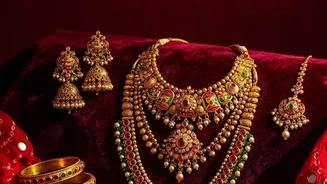
What Exactly Are Making Charges?
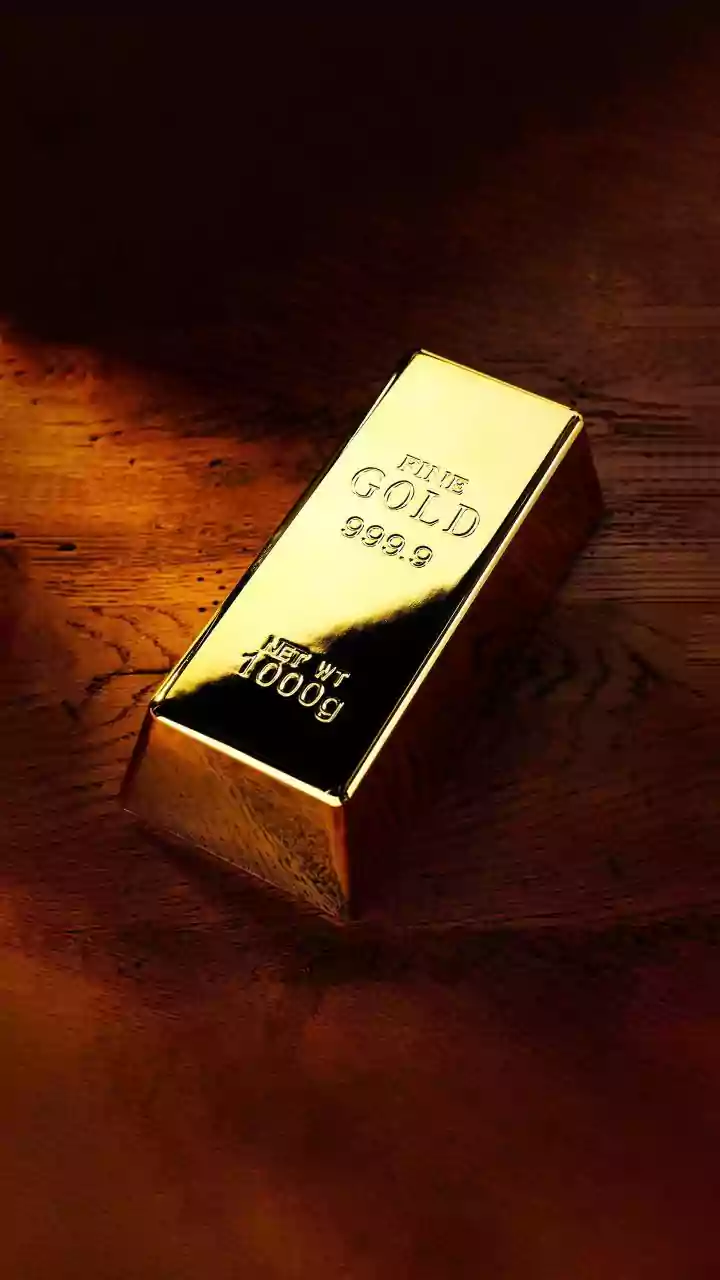
Making charges are essentially the labour and craftsmanship costs involved in transforming raw gold into a finished piece of jewellery. When a jeweller takes a bar or grain of gold, it undergoes melting, designing, shaping, polishing, and finishing before
it becomes the necklace or bangle you see in the showroom. These charges cover the artisan's skill, the time taken, and the technology used in the process. They are charged over and above the market price of the gold itself and can significantly increase the final bill.
How Jewellers Calculate This Cost
There are two primary methods jewellers use to calculate making charges, and understanding the difference is key to getting a fair price. The first is a percentage of the total gold value. For example, if a piece of jewellery has gold worth ₹1,00,000 and the making charge is 15%, you will pay ₹15,000 as the making fee. The second method is a flat rate per gram. Here, the jeweller assigns a fixed amount, say ₹500, for every gram of gold in the ornament. For a 10-gram chain, this would amount to a ₹5,000 charge. When gold prices are high, a flat per-gram rate often works out to be more economical for the buyer.
Why Do Charges Vary So Widely?
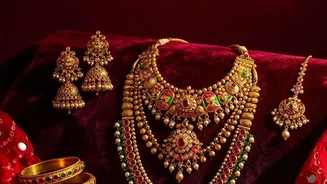
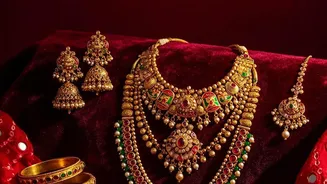
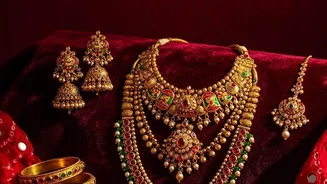
Making charges are not uniform and can range from as low as 3% to over 25% of the gold's value. Several factors influence this variation. The most significant is design complexity. A simple, machine-made gold chain will have much lower making charges (typically 6-14%) compared to an intricate, handcrafted bridal necklace, which requires immense skill and time. Handmade jewellery always commands higher charges. Furthermore, the jeweller's brand reputation and overheads also play a role in the final percentage.
The Difference: Making vs. Wastage Charges
Sometimes, a bill may also include 'wastage charges'. This accounts for the small amount of gold that is lost during the manufacturing process—for instance, as dust during cutting and polishing. Wastage is often quoted as a percentage, typically from 5% to 7% for simple designs. Some jewellers bundle wastage into the making charge, while others list it as a separate line item. It's crucial to ask for a clear breakdown. A bill that has high making charges and a separate wastage charge may mean you are being charged twice for the same manufacturing process.
A Smart Buyer's Guide to Saving Money
Being an informed consumer can lead to substantial savings. First, always compare making charges across several jewellers before making a purchase. Don't hesitate to negotiate, especially with independent jewellers or on large purchases for weddings. Jewellers are often more flexible during the off-season when footfall is lower. Opting for simpler, machine-made designs can also reduce costs significantly. During festive seasons, be wary of 'zero making charge' offers; sometimes the cost is hidden elsewhere in the bill, so always compare the final price. Finally, always ask for a detailed, itemised bill that clearly separates the gold cost, making charges, wastage (if any), and GST.