




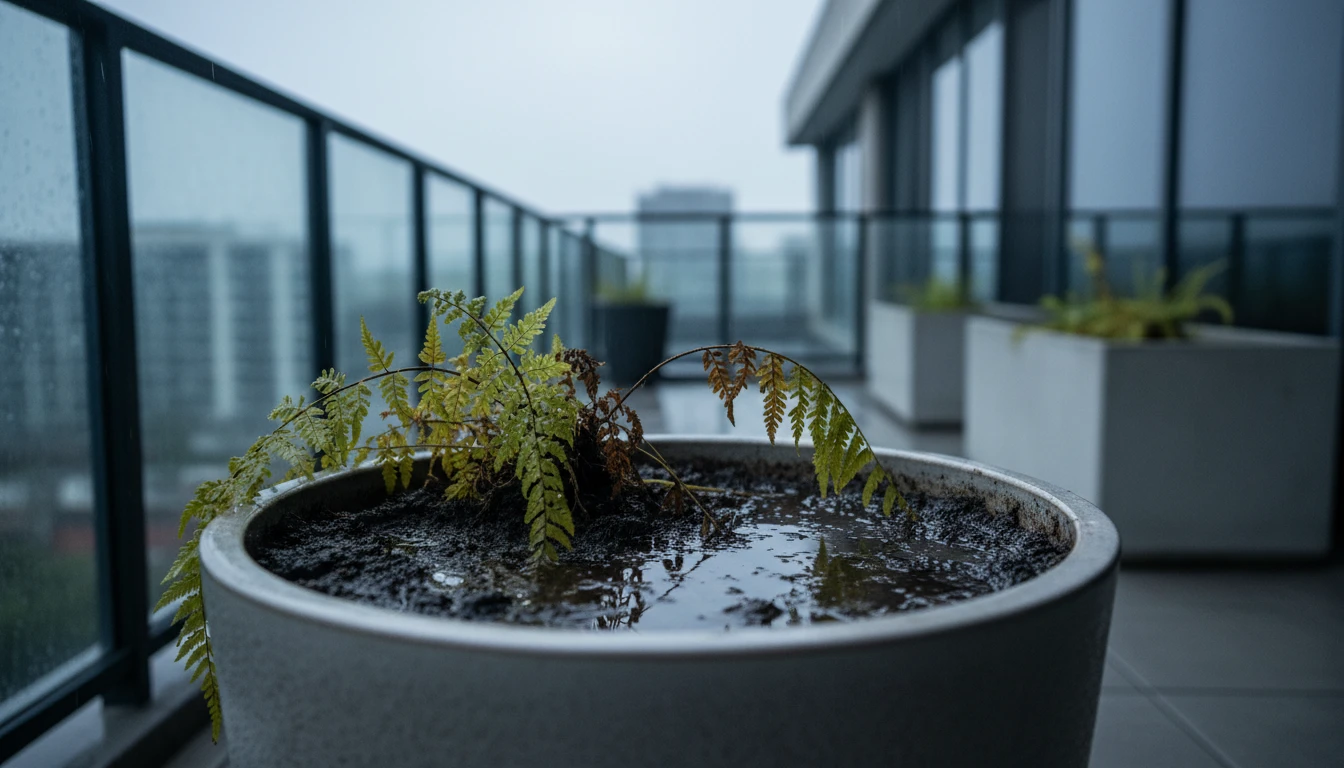


The Paradox of Overwatering
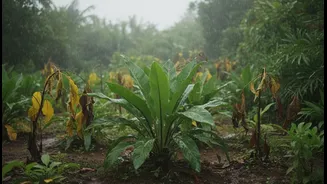
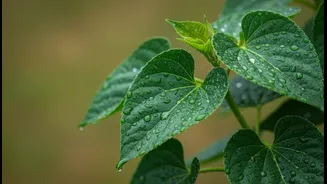
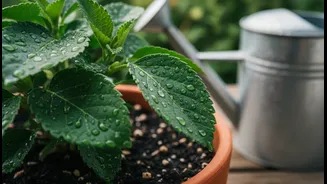
One of the biggest mistakes gardeners make during the rainy season is sticking to their summer watering schedule. With high humidity and frequent rainfall, the soil stays moist for much longer. Continuing to water daily can lead to waterlogged conditions,
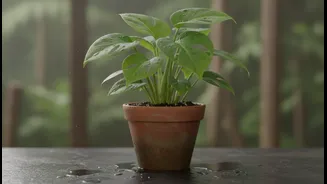
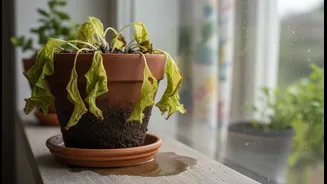
which is a primary cause of many monsoon-related plant problems. Instead of watering on a fixed routine, get into the habit of checking the soil first. A simple finger test is effective: if the top inch of soil feels moist, hold off on watering. Most plants, with the exception of moisture-loving species, will not need supplemental watering during periods of consistent rain. Signs of overwatering can be deceptive, often mimicking thirst—plants may wilt even when the soil is wet. This happens because the roots are stressed and unable to function properly.
Why Roots Need to Breathe
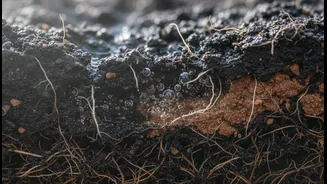
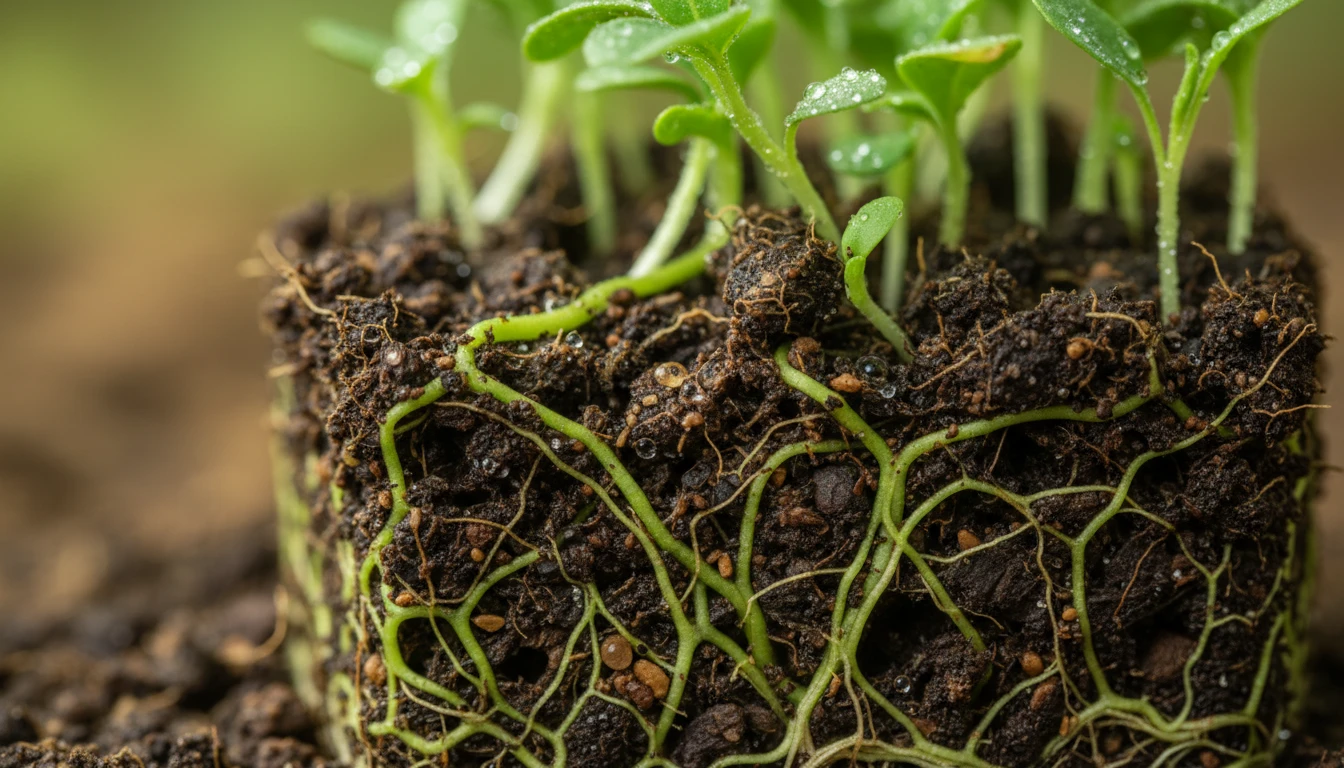
Plant roots require oxygen for cellular respiration, the process of converting sugars into energy for growth and nutrient uptake. In healthy soil, tiny air pockets exist between soil particles, providing the necessary oxygen. When soil becomes saturated with water, these pockets fill up, effectively cutting off the oxygen supply. This oxygen deprivation suffocates the roots, making them weak and vulnerable. Without sufficient oxygen, roots cannot absorb water and nutrients efficiently, leading to stunted growth and weakened plants that are more susceptible to disease. This is why providing 'room for roots to breathe' is not a metaphor; it is a fundamental requirement for plant survival, especially when soil is constantly wet.
Creating a Breathable Soil Structure
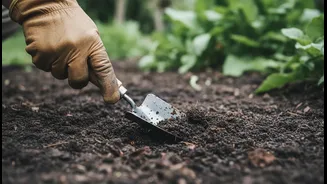
The key to preventing waterlogging is improving your soil's drainage. Heavy, clay-rich soil is particularly problematic during the monsoon as it compacts and retains too much water. To improve aeration, amend your soil with organic matter like well-decomposed compost or vermicompost. These materials help create a looser, more friable soil structure. For potted plants or raised beds, creating a custom potting mix is highly effective. A good recipe combines garden soil with materials like coco peat for moisture balance and perlite, coarse sand, or vermiculite to enhance drainage and create air spaces. This ensures that even after a heavy downpour, excess water can drain away, allowing air to return to the root zone.
Practical Drainage Solutions
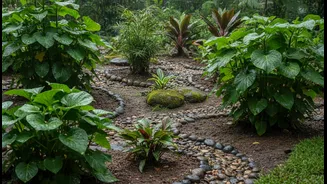
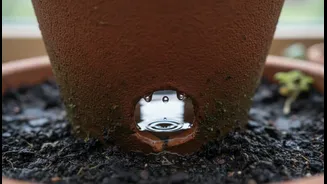
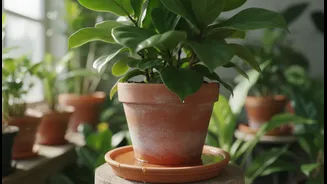
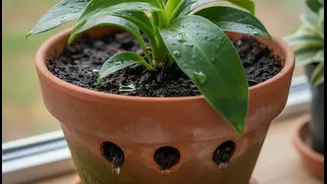
Beyond improving the soil itself, there are several practical steps you can take to manage excess water. For container gardens, ensure every pot has adequate drainage holes at the bottom. Elevating pots on bricks or stands prevents them from sitting in puddles and allows water to escape freely. In garden beds, creating raised beds is an excellent strategy to keep plant roots above the soggiest ground. You can also dig shallow trenches or channels to direct excess water away from plant bases. Applying a layer of organic mulch, such as straw or wood chips, can also help by absorbing some of the impact of heavy rain and preventing soil from splashing onto plant leaves, which can spread fungal spores.
Watching for Signs of Trouble
Despite your best efforts, the relentless moisture of the monsoon can still cause problems. Stay vigilant and inspect your plants regularly for early signs of distress. Yellowing leaves, especially lower ones, are a classic symptom of overwatering and root stress. Other red flags include wilting despite wet soil, a musty smell from the soil, and the appearance of fungal growth like powdery mildew or dark spots on leaves. The most common and serious issue is root rot, where roots turn brown, soft, and mushy due to a lack of oxygen and fungal attack. If you suspect root rot, you may need to repot the plant into fresh, well-draining soil after trimming away the affected roots.