






Mushrooms: Nature’s Umami Bombs
Mushrooms are far more than just a filler ingredient; they are one of nature's most accessible sources of umami, the fifth basic taste known for its savoury, complex, and mouth-watering sensation. This deep flavour comes from naturally occurring compounds,
primarily an amino acid called glutamate. When you eat a mushroom, these compounds interact with specific taste receptors on your tongue, creating a sense of richness and satisfaction that can elevate an entire dish. Different mushrooms carry different levels of umami. While common white button mushrooms have a good amount of glutamate, varieties like shiitake are particularly prized for their intense umami kick, which is amplified when they are dried. This is because the drying process breaks down cell walls, concentrating the glutamates and increasing other flavour-enhancing compounds called guanylates. This synergy between glutamate and guanylate can make the umami taste feel up to eight times stronger.
How to Maximise Mushroom Flavour
To get the most flavour out of your mushrooms, the goal is to concentrate their umami, and that means managing their high water content. The key is high, dry heat. First, don't overcrowd the pan. Giving mushrooms enough space allows them to sear and brown rather than steam in their own liquid. This browning, known as the Maillard reaction, creates new layers of complex flavour. Start with a hot skillet and a good amount of fat, like butter or olive oil. Let the mushrooms cook without stirring too much, allowing them to develop a deep, golden crust on one side before flipping. Seasoning is also crucial. While salting mushrooms at the beginning can draw out water, a light sprinkle can help enhance their flavour during the cooking process. For an extra boost, pair them with other umami-rich ingredients like soy sauce, garlic, or thyme after they have browned.
Zucchini: The Humble Flavour Sponge
If mushrooms are flavour creators, zucchini is a flavour absorber. On its own, zucchini has a very mild, slightly sweet taste and a high water content—around 95%. This makes it seem bland to some, but its mildness and spongy texture are actually its greatest strengths. It readily soaks up the flavours of whatever it's cooked with, making it an incredibly versatile player in the kitchen. Whether you toss it with garlic, herbs, spices, or a tangy vinaigrette, zucchini acts as a delicious vehicle for other ingredients. For the best results, look for smaller, younger zucchini, as they tend to be more tender, less watery, and have a more concentrated flavour than their oversized counterparts. The skin is thin and edible, so there’s no need to peel it; in fact, it helps the vegetable hold its shape during cooking and contains many of its nutrients.
Making Zucchini Shine
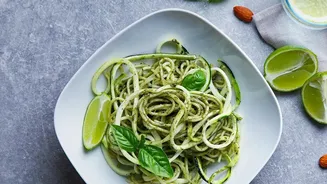
The secret to flavourful zucchini is to cook it in a way that enhances its absorbent qualities while preventing it from becoming a soggy, watery mess. Like mushrooms, zucchini benefits from high heat, which helps evaporate its internal water and allows it to brown and caramelize. Sautéing thin slices in a large, hot skillet is one of the fastest and most effective methods. Don't overcrowd the pan, and allow the slices to get some colour before stirring frequently. Salting zucchini at the end of the cooking process, rather than the beginning, can help prevent it from releasing too much water and steaming. Zucchini pairs beautifully with bold flavours. Sautéing it with garlic and finishing with a squeeze of lemon juice, fresh herbs like basil or mint, and a sprinkle of Parmesan cheese can transform it from a simple side into a standout dish. Grilling and roasting are also excellent methods for adding a smoky char and concentrating its subtle sweetness.