






The Quarter-Turn Trick
The most effective and simple habit to ensure your plants get balanced sunlight is regular rotation. Specifically, giving your plant a quarter-turn on a consistent schedule is the secret to promoting even, symmetrical growth. Plants naturally grow towards
their light source, a process known as phototropism. Without rotation, the side facing the window gets all the attention, leading to a lopsided, 'leggy' appearance, while the other side remains underdeveloped. By turning the pot, you force the plant to adjust, encouraging leaves and stems on all sides to reach for the light, resulting in a fuller, more balanced, and structurally sound plant.
The Science of Leaning
Why do plants lean so determinedly? The answer lies in a plant hormone called auxin. When light hits one side of a plant, auxins concentrate on the shaded side. This buildup of hormones stimulates the cells on the darker side to grow longer, causing the stem to bend and stretch towards the light source. This is a survival mechanism designed to maximize light absorption for photosynthesis, the process where plants convert light into energy. While brilliant for a plant in nature, it creates an aesthetic problem for houseplants that only receive light from one direction, like a single window. Rotating the plant regularly interrupts this process and distributes the growth-promoting auxins more evenly.
How Often Should You Rotate?
There isn’t a single rule for every plant, but a good starting point is a quarter-turn every one to two weeks. An even easier method is to tie the habit to your watering schedule; each time you water, give the pot a turn. This creates a consistent routine that ensures a full 360-degree rotation over a month or two. Plants in lower-light conditions may benefit from more frequent rotation, perhaps weekly, as they are working harder to find light. Conversely, those in very bright spots might only need a turn every few months. The key is consistency. Don't make a sudden 180-degree turn, as this can shock the plant; a gradual quarter-turn is much gentler.
Are There Exceptions to the Rule?
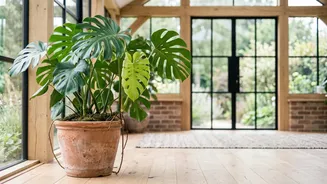
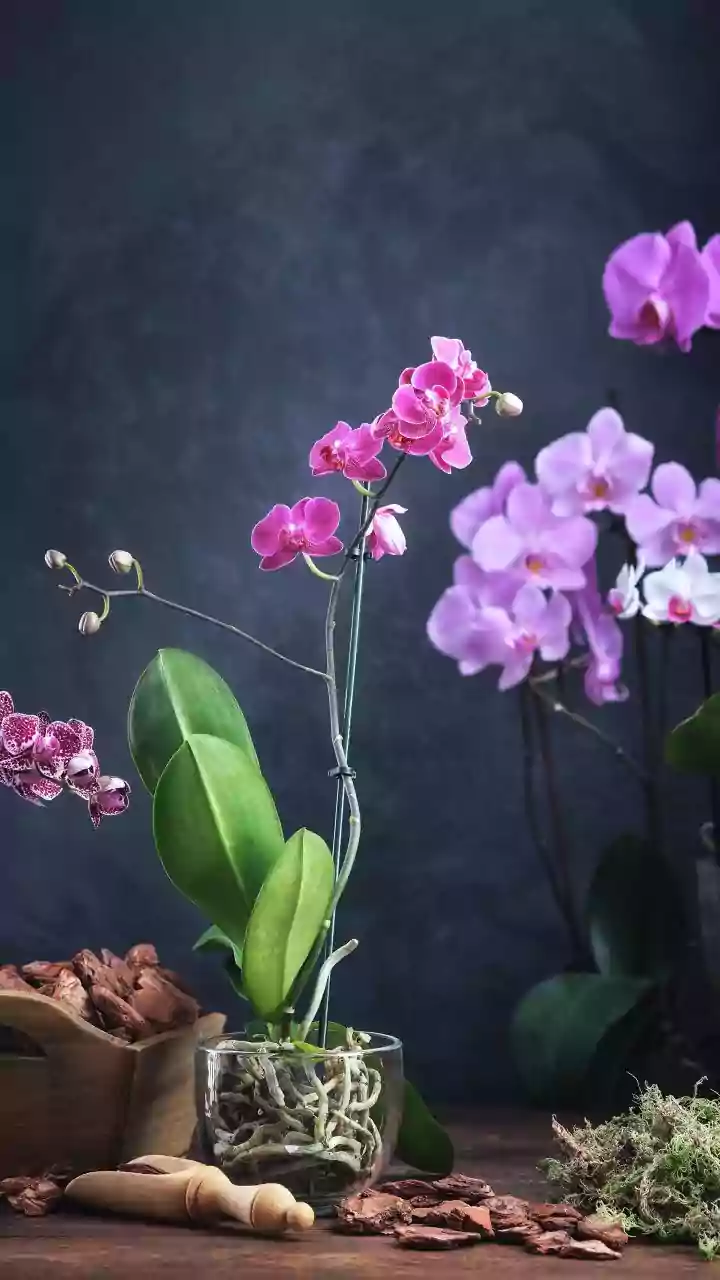
While most foliage plants love a good rotation, there are a few exceptions to consider. Some flowering plants, like orchids and Christmas cacti, can be sensitive. If you rotate them after they have already developed flower buds, the sudden change in light orientation can cause them to drop their buds before they bloom. It’s best to leave them in one position once budding begins. Additionally, some climbing plants like Monstera, which develop a distinct 'front' and 'back', may not benefit from rotation, especially if they are growing up a moss pole or trellis. Similarly, some owners find that snake plants can develop twisted leaves if rotated too often. Observe your plants; they will often tell you what they prefer.
More Than Just Good Looks
The benefits of rotating your plants extend beyond just achieving a perfectly symmetrical look. Regular turning improves air circulation around the foliage, which helps reduce the risk of pests and fungal diseases that thrive in stagnant conditions. It also gives you a weekly opportunity to inspect your plant from all angles, making it easier to spot early signs of trouble like pests, dust on leaves, or discoloration. Wiping down leaves to remove dust can also help them absorb more sunlight, making photosynthesis more efficient. This simple act of turning your plant becomes a moment of connection and proactive care, ensuring your indoor garden doesn't just look good, but is genuinely healthy.