


The Music of Memory and Ritual
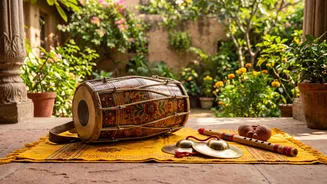
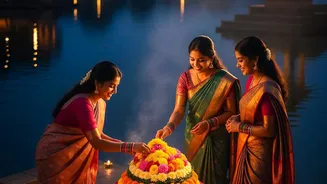
For centuries, the soundtrack to an Indian wedding was a live, participatory affair. Music wasn't just background noise; it was a central part of the ritual, performed by family members, primarily women. During the sangeet, a ceremony whose name literally
means 'sung together', women would gather with a dholak to sing folk songs teasing the bride and groom, offering blessings, and sharing jokes. These songs, or geet, were specific to each ceremony: playful banna-banni songs for the couple, poignant bidaai songs for the bride's farewell, and celebratory ghodi songs when the groom mounted his horse. Passed down through generations, these melodies were a form of oral history, connecting the new couple to their ancestors and reinforcing a sense of community and shared heritage.
The Rise of the Recorded Playlist
The first major shift came not from a DJ, but from the humble cassette tape, and later, the brass band. British-style military brass bands became a status symbol in the 19th century, their loud, celebratory sound perfect for the groom's procession, or baraat. This began the move from participatory music to presentational performance. As technology advanced, cassette players and then CD players allowed families to supplement or replace live singing with recorded music. This often meant Bollywood film songs, which offered a glamour and production value that folk songs couldn't match. The role of the family singers began to shrink as the professionally recorded soundtrack took over.
Bollywood Sets the Stage
Today, it's hard to imagine an Indian wedding without the influence of Bollywood. Films have not only provided a massive catalogue of songs for every conceivable wedding moment—from the mehendi to the reception—but they have also shaped the events themselves. The sangeet has transformed from an intimate gathering of female relatives into a grand, co-ed spectacle with choreographed dance numbers worthy of a movie set. Songs like 'Mehndi Laga Ke Rakhna' or 'Gallan Goodiyaan' are now staples, creating a shared, pan-Indian wedding culture that often supersedes regional traditions. The DJ, once a novelty, is now a central figure, curating high-energy playlists designed to get every generation on the dance floor.
The Spotify-Era Wedding
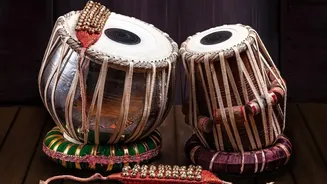
In the age of social media and streaming, wedding music has become even more personalized and trend-driven. Couples now create bespoke Spotify playlists for every event, from the brunch to the after-party. Viral hits from Instagram Reels can become the song of the season, creating a sense of being perfectly on-trend. This has led to an explosion of choice, with couples blending traditional folk melodies with global genres like EDM and jazz. DJs now offer hybrid sets, mixing live instruments like a saxophone or tabla with electronic beats to create a unique soundscape. The focus is on creating an 'experience' that is both deeply personal and highly shareable.
A Return to the Roots?
While the DJ and the Bollywood playlist reign supreme, a counter-movement is quietly gaining momentum. There's a growing appreciation for the old ways, with some families making a conscious effort to revive traditional geet. Folk singers are finding new audiences, and artists are creating modern fusions that give new life to old songs, like blending Punjabi folk with lo-fi beats. Many modern weddings now strive for a balance. They might have a DJ for the high-energy reception, but invite a live folk group for the mehendi or feature a soulful Sufi performance during dinner. This blend acknowledges that while a professionally produced track can bring the energy, the sound of a grandmother singing a familiar, age-old blessing carries a different, irreplaceable power.