

A Complicated and Controversial Past
For many in India, the name khesari dal brings a sense of caution. For decades, this protein-rich pulse was infamous. Excessive consumption as a primary food source during times of famine was linked to a crippling neurological disorder called neurolathyrism,
which causes irreversible paralysis in the lower limbs. The culprit is a neurotoxin called ODAP (β-N-oxalyl-L-α,β-diaminopropionic acid). Due to these health concerns, the Indian government banned the sale and cultivation of khesari dal in 1961 to protect public health. The disease was a scourge of the poor, who were often forced to rely on this hardy, inexpensive crop when nothing else would grow.
The Scientific Breakthrough: A Safer Dal
Despite the ban, cultivation and consumption continued in some parts of the country, and the pulse remained a cheap source of protein for millions. Simultaneously, scientists never stopped working on the grass pea. For decades, agricultural researchers in India and around the world have focused on developing new varieties of the crop with significantly lower levels of the ODAP toxin. These efforts have been successful. Scientists have developed varieties like 'Ratan', 'Prateek', and 'Mahateora', which contain toxin levels below 0.1%, a level widely considered safe for consumption as part of a balanced diet. This scientific progress prompted the Indian Council of Medical Research (ICMR) to lift the 55-year-old ban in 2016, paving the way for the crop's official re-introduction.
A Nutritional Powerhouse for Modern Diets
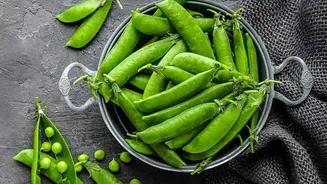
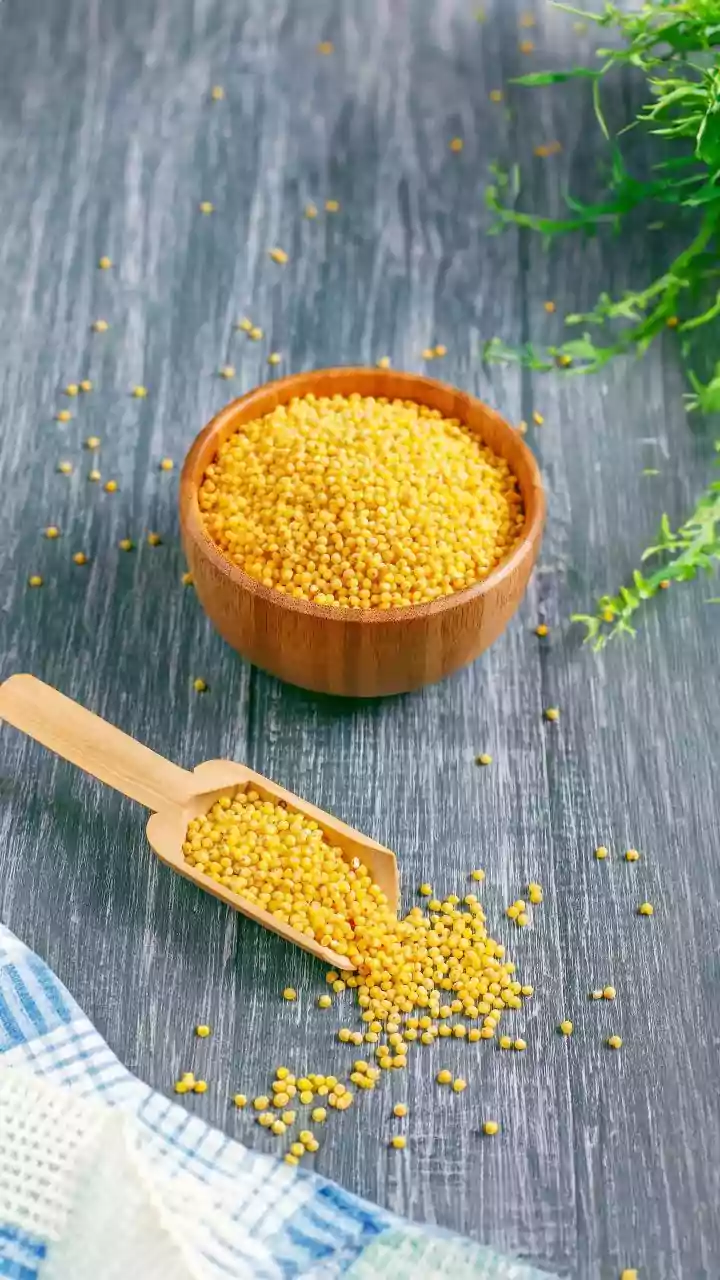
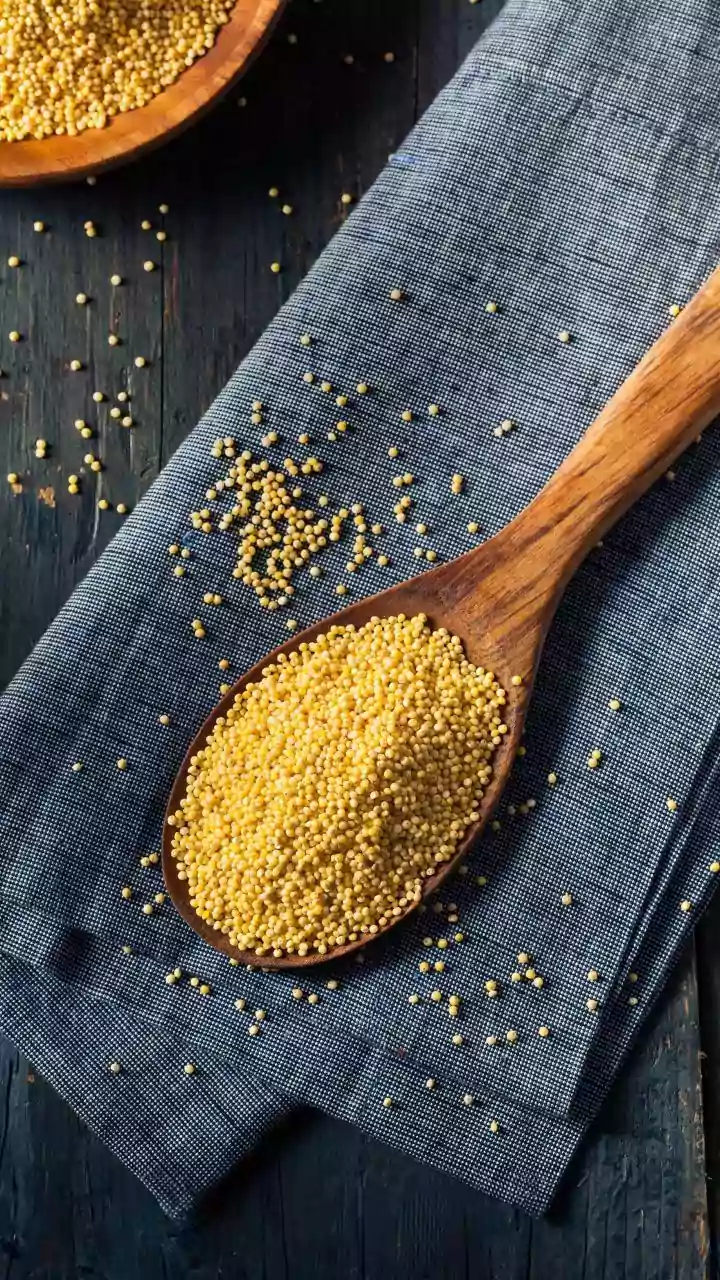
With the safety concerns addressed, the focus has shifted to the grass pea's impressive nutritional profile. It is a fantastic source of plant-based protein, with some varieties containing over 31%. This makes it a valuable addition to vegetarian and vegan diets, helping to diversify protein sources beyond the usual staples. The pulse is also rich in carbohydrates and dietary fibre. As interest in plant-based eating grows, the low-toxin grass pea offers a new, nutrient-dense ingredient for kitchens. It can be used just like other dals in stews, ground into flour for flatbreads, or even used to make snacks.
The Farmer's Friend: A Climate-Smart Crop
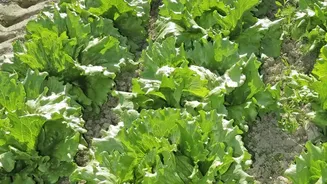
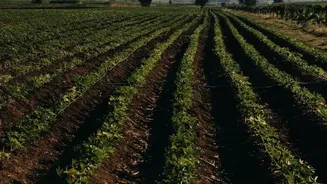
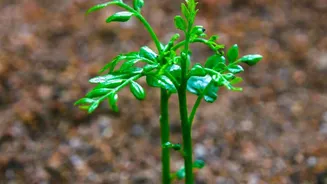
The benefits of the grass pea extend far beyond the plate. It is an exceptionally resilient crop, earning it the nickname "insurance crop." It can tolerate both drought and waterlogged conditions, stresses that can wipe out other legumes like chickpeas or lentils. Furthermore, as a legume, the grass pea is a nitrogen-fixing plant. Its roots enrich the soil, reducing the need for expensive chemical fertilisers for subsequent crops. This makes it an ideal crop for smallholder farmers and for sustainable agricultural systems. It requires minimal inputs—thriving without extensive irrigation or pesticides—making it an economical and environmentally friendly choice. It can be grown in rice fallows, turning idle land into a productive source of food and income.