








Understanding the GI Tag's Power
A Geographical Indication is more than just a label; it’s a legal seal of approval. Governed in India by the Geographical Indications of Goods Act of 1999, a GI tag is granted to products that have a specific geographical origin and possess qualities
or a reputation intrinsically linked to that origin. Think Darjeeling tea or Kolhapuri chappals. The tag prevents unauthorized use of the name and assures consumers of authentic quality. For producers, it’s a powerful tool that can command premium prices, often 20-30% higher than non-tagged products, and opens doors to lucrative international markets. It protects a region's heritage and economic interests. However, as seen in the famous multi-year dispute between West Bengal and Odisha over the Rasgulla, the fight to claim ownership over a product's origin can be fierce and complex.
A Hard-Won Victory for Unjha
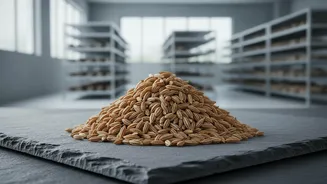
In March 2026, the Geographical Indications Registry in Chennai officially granted the GI tags for 'Unjha Jeera' (cumin) and 'Unjha Variyali' (fennel). The registration was awarded to the Unjha Agriculture Produce Market Committee (APMC), the main governing body of the massive spice market. This achievement was the culmination of a coordinated effort involving the APMC, Gujarat's state government, and agricultural universities. For the Unjha market, which handles enormous volumes of spices and exports to over 70 countries, the GI tag was seen as a historic milestone. Leaders of the APMC and spice federations celebrated the news, highlighting that the recognition would enhance global branding, ensure better prices for farmers, and protect the spices' unique identity against counterfeit products in the global marketplace.
A Challenge from Across the Border
The celebration in Gujarat was short-lived. The GI registration is now being formally contested by farmers and farming cooperatives from Rajasthan. Their core argument strikes at the very definition of a GI tag: they claim Unjha is primarily a massive trading and marketing centre, not a primary production hub. According to these farmers, a very significant portion of the cumin and fennel that arrives and is sold at Unjha APMC is actually grown in the fields of Rajasthan. They argue that a GI tag should be linked to the place of production—where the soil, climate, and cultivation practices create the unique product—not the place where it is traded. The challengers allege that the application for the tag contained misleading claims and that the characteristics praised as unique to Gujarat's spices are equally present in those grown in Rajasthan.
The High Stakes of a Spice War
This dispute is not merely about bragging rights; it's about the livelihoods of thousands. The farmers from Rajasthan fear a direct economic hit. Their concern is that traders in the Unjha market will now be able to use the powerful 'Unjha Jeera' GI tag to brand their produce as premium, while simultaneously classifying the spices coming from Rajasthan as inferior. This, they allege, could be used as leverage to drive down the prices they receive for their crops, effectively marginalizing them from the value chain. For the Unjha APMC, losing the tag would be a major blow to its long-term strategy of building a global premium brand. The entire episode raises a critical question for India's GI system: should the tag honour the land where a product is grown or the market that made it famous? The outcome of this contestation will have far-reaching implications for the spice trade and for how geographical identity is defined and protected in the future.