







What Exactly Is Creatine?
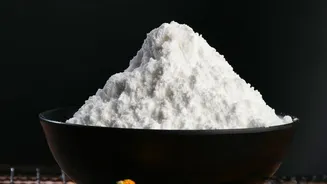
Creatine is a naturally occurring compound that your body produces and stores, primarily in your muscles. It plays a crucial role in cellular energy, helping to replenish the body's main energy molecule, ATP. This is especially important during short
bursts of high-intensity activity, like lifting a heavy object or performing a quick sprint. While the body makes its own creatine and you can get it from foods like red meat and fish, supplementation has become a popular way to increase the body's stores, aiming to enhance physical performance, strength, and muscle mass. For years, it has been a staple in the athletic community, but new research is exploring its benefits for a broader audience, including older adults navigating age-related muscle loss.
The New Findings from Texas A&M
A recent 12-week study from Texas A&M University's Exercise and Sport Nutrition Lab provided compelling new evidence for creatine's benefits in adults aged 45 to 65. Researchers found that participants who took creatine gained lean tissue and improved their strength, even without participating in a structured exercise program. Those in the non-exercising group who took a daily 10-gram dose of creatine gained approximately 2.4 pounds of lean tissue over the 12 weeks and showed improved leg and bench press strength compared to those taking a placebo. When combined with a program of resistance and aerobic training, the benefits were even greater, leading to more significant gains in strength and time to exhaustion. This is significant because it suggests creatine could be a useful tool for middle-aged adults looking to maintain muscle and strength, which naturally decline with age.
Why It's Not a Universal Miracle Worker
The headline's note about a non-universal effect is crucial. The phenomenon of "creatine non-responders" is well-documented in sports science. An estimated 20-30% of people who take creatine see minimal or no benefit in terms of performance or muscle gain. The reasons for this are primarily biological. Individuals who already have naturally high creatine stores in their muscles—often due to a diet rich in meat or specific genetics—may not benefit from additional supplementation because their muscles are already near saturation. Another factor is muscle fiber type. People with a higher percentage of fast-twitch muscle fibers (used for powerful, explosive movements) tend to have more 'room' to store creatine and respond better. In contrast, those with fewer fast-twitch fibers and higher baseline creatine levels may find that the supplement has little to no effect.
Should You Consider Taking It?
Based on the science, you might be a good candidate for creatine supplementation if you are in the 45-65 age bracket and looking to preserve or build strength. You may be more likely to see results if you have lower baseline levels, which is more common in individuals who follow vegetarian or vegan diets. The Texas A&M study used a daily dose of 10 grams, but many studies and experts recommend a daily maintenance dose of 3-5 grams for long-term use. This amount is considered safe and effective for most healthy adults. Creatine monohydrate is the most researched, affordable, and recommended form of the supplement. It's not a substitute for a healthy lifestyle, but the evidence suggests it can be a supportive tool, especially when paired with resistance training.
Safety and Other Considerations
Creatine monohydrate has one of the strongest safety profiles of any dietary supplement. Extensive research has shown it does not harm kidney function in healthy individuals when taken at recommended doses. The most common side effect is minor weight gain, which is typically due to water being drawn into the muscles, not fat. If you have pre-existing kidney disease or are taking medications that affect kidney function, it's essential to consult a doctor before starting. For most healthy adults in the 45-65 range, however, creatine is considered a safe and potentially effective way to support muscle health and combat the natural decline in strength that comes with age.