




First, Follow the Light
Light is the single most critical factor for a plant's health. Before you fall in love with a plant, assess the light in your space. A common mistake is placing a sun-loving plant in a dark corner simply because it looks good there. Understanding your home's
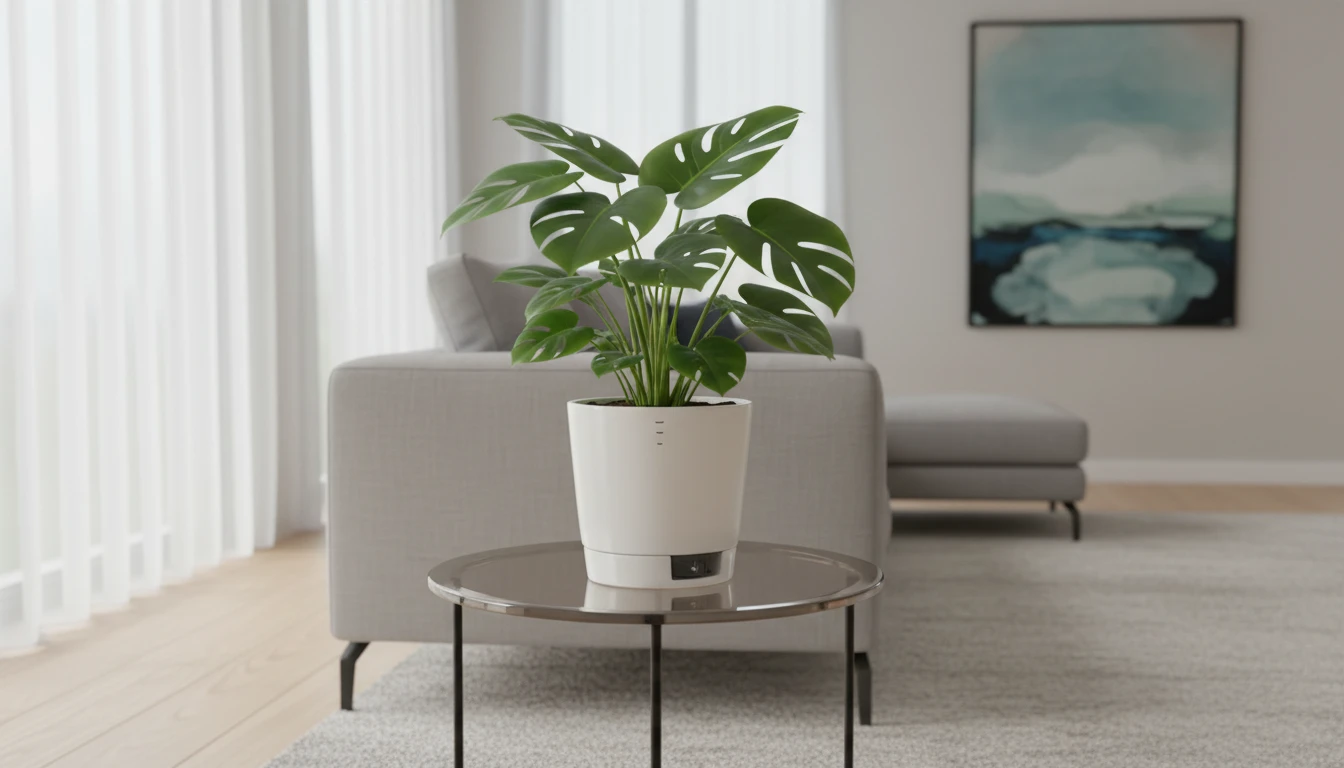
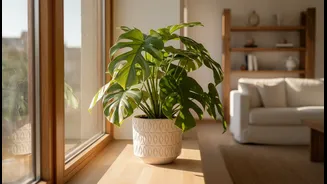
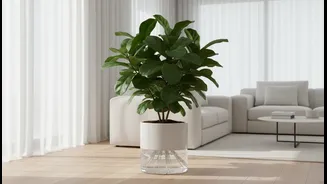
light is simple: south-facing windows offer the most intense, direct light, while north-facing windows provide the gentlest. East-facing windows give great morning light, and west-facing windows provide strong afternoon sun. Plants that thrive in bright, direct light include succulents and cacti. For bright, indirect light—often found a few feet from a sunny window—consider monsteras or fiddle-leaf figs. Low-light tolerant plants like snake plants and ZZ plants can handle dimmer spots, but remember that "low light" doesn't mean "no light."
Consider Structure and Scale
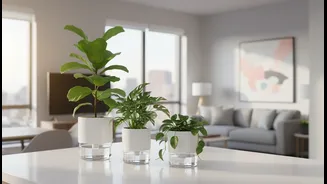
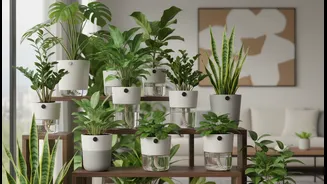
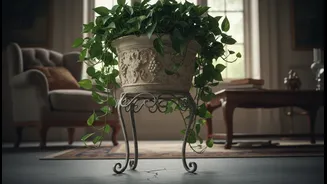
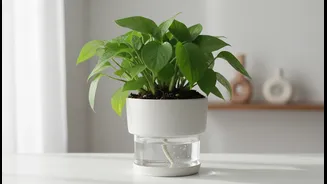
A plant should complement the room's architecture, not compete with it. A giant bird of paradise might overwhelm a small study, while a tiny succulent could get lost in a grand entryway. Think about the plant's ultimate size and shape. Use vertical space to your advantage. A tall, slender plant can draw the eye upward, making a ceiling feel higher. A trailing plant like a pothos can soften the hard edges of a bookshelf or mantle. When grouping plants, aim for variety in height, texture, and shape. An odd number of plants—like three or five—often looks more natural and appealing than an even number. Combine a tall 'thriller' plant with a bushy 'filler' and a cascading 'spiller' to create a dynamic and visually interesting arrangement.
Prioritize Access and Flow
Functionality is just as important as aesthetics. Never place plants where they will obstruct high-traffic areas, doorways, or emergency exits. It's frustrating to have to squeeze past a large potted plant every day. A beautiful plant quickly becomes a nuisance if it’s in the way. You also need to be able to access your plants easily for watering, pruning, and general care. If a plant is tucked away in an unreachable corner, it's more likely to be neglected. Ensure there's enough space around the plant to move comfortably, use a watering can without spilling, and rotate the pot periodically to ensure even growth.
Safety for a Harmonious Home
If you have curious pets or small children, plant safety is non-negotiable. Many common houseplants, including popular varieties like lilies, philodendrons, and pothos, are toxic if ingested and can cause anything from mild irritation to severe illness. Always research a plant's toxicity before bringing it home. The good news is that many beautiful plants are perfectly safe. Spider plants, Boston ferns, African violets, and parlor palms are all excellent non-toxic choices. For plants that are mildly toxic but that you love, strategic placement is key. Use high shelves, hanging planters, or place them in rooms that are off-limits to pets and kids. This allows you to enjoy their beauty without worry.