










The 1000-Horsepower Secret
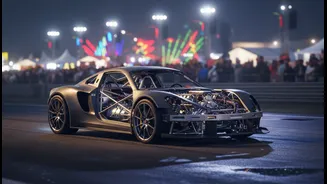
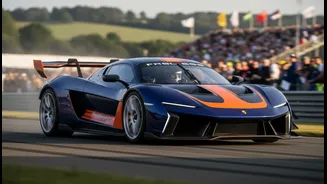
The star of the show isn't a finished production model, but a development prototype known internally as the 'Erprober', which means 'tester' in German. This machine, based on a lengthened version of Ruf's CTR3 chassis, serves a singular, audacious purpose:
to test a brand-new, in-house designed engine. And what an engine it is. The powerplant, dubbed the B8, is a 4.8-litre twin-turbocharged flat-eight boxer engine. It produces staggering figures: over 1,000 horsepower and 1,000 Nm of torque, all sent to the rear wheels through a six-speed manual transmission. In an era where many performance brands are moving towards hybrid or electric power, Ruf has doubled down on pure internal combustion fury.
An Engine That Makes History
To understand the significance of this engine, you have to look back in history. While Porsche famously experimented with flat-eight engines in its dominant race cars of the 1960s, like the 907 and 908, the configuration has remained exceedingly rare and has never been used in a production road car. By developing the B8, Ruf isn’t just creating a new powertrain; it’s writing a new chapter in automotive engineering. Company owner Alois Ruf described the moment as one that will “define the future” for the brand. This isn't just an upgrade; it is a clean-sheet design that positions the small German manufacturer at the forefront of boutique engine development, creating something truly unique in the modern supercar landscape.
Not Just a Tuner, a Creator
For those unfamiliar with the name, it's easy to mistake Ruf for a high-end Porsche tuner. However, the company has been a certified German automobile manufacturer since 1982. While their creations often share a resemblance with Porsches, many are built on bespoke chassis and receive their own unique vehicle identification numbers. This distinction is crucial. It began with the legendary 1987 CTR 'Yellowbird', a car that shocked the world by hitting 211 mph and outrunning supercars from Ferrari and Lamborghini. The CTR3, the platform on which this new prototype is based, was the company’s first model built on a completely unique chassis designed in partnership with Multimatic, further cementing Ruf’s status as a true creator.
A Testbed for the Future
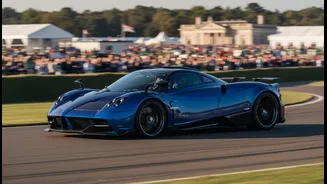
The 'Erprober' prototype tearing up the Goodwood hillclimb, driven by famed racer Tanner Foust, is not for sale. Ruf has been clear that this car is a dedicated testbed for technologies that will shape a future production model. Running the car publicly is part of the development process, allowing engineers to gather data in a real-world, high-stress environment. This transparency is what makes the car so much more than a showpiece. It’s not a polished concept under static lights; it’s a work in progress, a raw and powerful statement of intent. Observers at Goodwood aren't just seeing a new supercar; they are getting a front-row seat to the birth of Ruf's next generation of hyper-performance vehicles.
A Nod to a Legendary Past
Even as it showcases the future, the prototype pays homage to Ruf's celebrated history. The car's livery features a striking graphic in 'Blossom Yellow', a direct tribute to the iconic colour of the original 1987 CTR Yellowbird. The graphic itself is a flowing figure-eight, a subtle hint at the groundbreaking engine configuration hidden within. This visual link connects the brand's most famous creation with its latest and most ambitious project. It’s a clever way of communicating that the same spirit of innovation and boundary-pushing that defined the Yellowbird is alive and well in the halls of Ruf’s workshop in Pfaffenhausen, Germany. It signals that while the technology is new, the soul of the brand remains unchanged.