







The Challenge of Loving a Park to Death
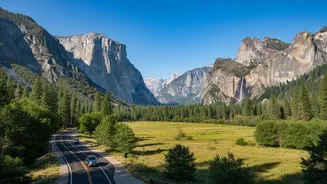
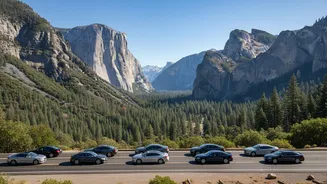
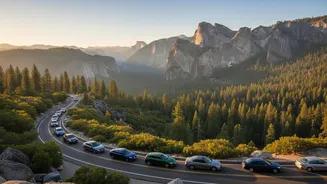
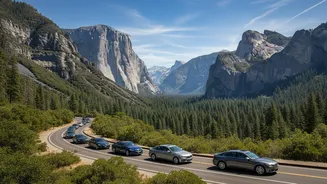
Yosemite's popularity is both a blessing and a curse. On its busiest days, the park can feel more like a gridlocked city than a pristine wilderness. This intense traffic isn't just an inconvenience; it strains park infrastructure, impacts the delicate
ecosystem with noise and air pollution, and diminishes the very sense of wonder that people come to find. For years, park managers have wrestled with this issue, implementing various strategies from reservation systems to simple traffic cones. However, these solutions have often been reactive, based on limited data from manual counts or basic pressure-hose traffic counters, which can only tell you how many vehicles passed a certain point, not where they were going or what they were doing.
A High-Tech Overhaul
Enter the Integrated Visitor Information (IVI) Project. Thanks to a conceptual grant from the National Park Foundation, supported by the Yosemite Conservancy, the park is now exploring and testing a suite of modern technologies. This initiative aims to create a unified, park-wide system that integrates real-time data from various sources. At the heart of this project are smart sensors and AI-driven automation. Instead of just getting a raw count of cars, park managers can now access a much richer dataset about what is happening on park roads and in parking areas at any given moment. This represents a significant leap from previous methods, shifting from educated guesswork to data-driven decision-making.
How the AI Sensors Work
The new system uses a network of smart cameras and sensors placed at key locations. These devices feed video to an artificial intelligence program that analyzes the footage in real time. The AI can identify vehicles, distinguish between cars, RVs, and buses, and track their movement patterns. Crucially, this technology is designed with privacy in mind; it does not identify individual faces or license plates, focusing solely on anonymous traffic flow and behavior. This allows the system to gather detailed information without compromising visitor privacy. The AI can determine not just if a parking lot is full, but how quickly it filled up and how many cars are circling looking for a spot versus just passing through.
Beyond Counting Cars
The true innovation lies in the quality of the data. Understanding the difference between a visitor heading for a three-hour hike versus one just driving through Yosemite Valley provides crucial insights for management. This detailed information allows the park to understand the specific choke points and the behaviors that lead to them. The goal is to give visitors live, automated updates that can genuinely help them plan their day. Imagine receiving an alert on the park app that the Yosemite Falls parking lot is 95% full, with an average wait of 20 minutes for a spot, allowing you to divert to a less crowded area. This system aims to sync information across multiple platforms, including the park's website, mobile apps, and digital road signs.
Smarter Management for a Better Experience
With this real-time data, park staff can move from being reactive to proactive. Instead of just closing a road when it's already hopelessly jammed, they can anticipate when a lot is nearing capacity and begin redirecting traffic preemptively. In the long term, this data will inform bigger decisions about visitor access, shuttle bus routes, and infrastructure improvements. The project is still in its testing phase, allowing officials to see which tools provide the most reliable information. It's part of a broader push across the national park system to use technology to manage increasing visitor numbers more effectively. Parks like Acadia and Zion are exploring similar sensor-based systems to address their own congestion challenges. By understanding visitor flow with unprecedented detail, Yosemite hopes to preserve the natural environment while ensuring people can still access and enjoy it.