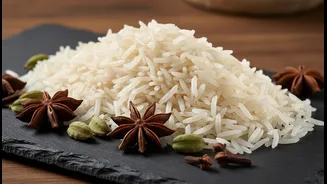










The Power of a Simple Swap
At its core, cooking rice is about absorption. As the grains heat up, they soak up the surrounding liquid. When that liquid is plain water, the rice becomes tender, but its flavor remains largely its own. However, when you replace water with broth, you introduce
a foundational layer of savory complexity. Every grain of basmati absorbs the rich, aromatic notes of the stock—be it chicken, vegetable, or mushroom. This simple substitution transforms the rice from a neutral base into an active flavor component, infusing the entire dish with a depth that water alone cannot provide. The broth seasons the rice from the inside out, creating a more cohesive and satisfying final product.
Why Basmati and Spinach Love Broth
Basmati rice is prized for its long, separate grains and distinct nutty, floral aroma. Spinach offers an earthy, slightly mineral taste. While they complement each other well, broth acts as the perfect bridge between these two profiles. A good quality vegetable or chicken broth adds a savory, umami quality that enhances the natural sweetness of the spinach and amplifies the fragrant notes of the basmati. The subtle flavors of onion, celery, and herbs typically found in broth meld seamlessly with aromatics you might add, such as garlic or cumin, which are classic partners for spinach. The result is a dish that feels more complete, thoughtful, and deeply flavorful without much extra effort.
The Method: A Step-by-Step Guide
Ready to try it? The process is nearly identical to cooking rice with water. For a basic version, you'll need one cup of basmati rice, about 1.5 to 1.75 cups of broth, two cups of chopped fresh spinach, and a tablespoon of oil or butter. Start by rinsing the rice under cold water until it runs mostly clear; this removes excess starch and ensures fluffy, separate grains. In a pot, heat your oil or butter over medium heat. You can toast the rice for a minute or two to enhance its nutty flavor. Pour in the broth, add a pinch of salt (be mindful if your broth is already salted), and bring it to a boil. Once boiling, reduce the heat to a low simmer, cover the pot tightly, and let it cook for 10-15 minutes undisturbed. During the last few minutes of cooking, add the chopped spinach on top of the rice, replace the lid, and let it steam until wilted. Once all the liquid is absorbed, turn off the heat and let the pot sit, still covered, for 5-10 minutes. Finally, fluff everything together with a fork and serve.
Choosing the Right Broth
The type of broth you choose can steer the dish in different directions. A light vegetable broth is a versatile, all-purpose choice that keeps the dish vegetarian and lets the spinach and basmati shine. Chicken broth lends a richer, more robust flavor that adds a comforting, savory depth. Mushroom broth is another excellent option, offering a deep, earthy umami that beautifully complements the spinach. For the best results, opt for a low-sodium broth, which gives you more control over the final seasoning. While store-bought is convenient, using a homemade stock will always provide a superior, more nuanced flavor.
Elevate It Further with Aromatics
While broth is the star of this upgrade, a few simple additions can take your dish even further. Before toasting the rice, consider sautéing a finely chopped onion or a few cloves of minced garlic in the pot until fragrant. Spices like cumin seeds, a bay leaf, or a few cardamom pods can be added to the oil to bloom, releasing their essential oils. A pinch of turmeric can add a lovely golden color and subtle warmth. Once the rice is cooked, a squeeze of fresh lemon juice can brighten all the flavors, while a sprinkle of fresh herbs like cilantro or dill adds a final touch of freshness. For added protein and texture, stir in some chickpeas or toasted pine nuts.