





When the Mountains Have Other Plans
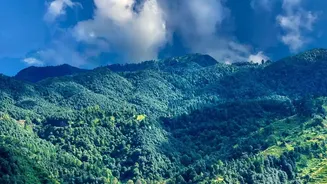
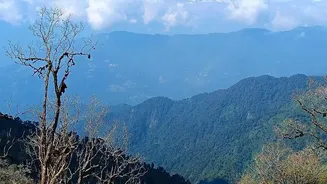
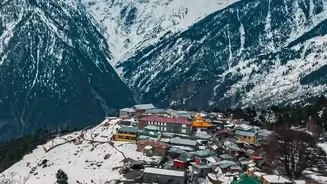
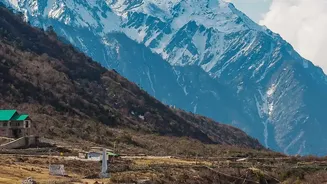
The single most compelling reason for a flexible itinerary in Sikkim is its dramatic and unpredictable weather. The state’s mountainous terrain means conditions can change in a matter of hours. A sunny morning can quickly turn into a foggy afternoon,
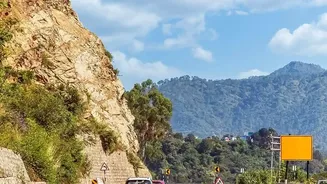
and monsoon rains or winter snow can shut down entire regions with little warning. Landslides are a common occurrence, particularly during the monsoon season (July to September), but they can happen at other times as well. These events can block major roads for hours or even days, cutting off access to popular destinations like North Sikkim or West Sikkim. Reports from recent years show thousands of tourists stranded due to sudden road closures. An itinerary that is packed too tightly leaves no room for such delays, turning a potential adventure into a stressful logistical nightmare. Having buffer days means a landslide doesn't ruin your trip; it simply reroutes it.
The Intricacies of Permits
Sikkim's proximity to international borders means that many of its most stunning areas are classified as protected or restricted. To visit places like Tsomgo Lake, Nathula Pass, Yumthang Valley, and Gurudongmar Lake, both Indian and foreign travellers need to secure a Protected Area Permit (PAP). Foreign nationals also require a Restricted Area Permit (RAP) just to enter the state. These permits are typically arranged by government-registered tour operators and are tied to a specific route and date. However, issuance is never guaranteed. Authorities can suspend or cancel all permits at a moment's notice due to weather, road conditions, or security reasons. A sudden snowstorm could mean Nathula Pass is closed, or a landslide could halt all travel to North Sikkim. A rigid plan would leave you stuck, but a flexible one allows you and your operator to pivot, perhaps exploring the equally beautiful, permit-free areas of West or South Sikkim instead.
The Joy of the Unexpected Detour
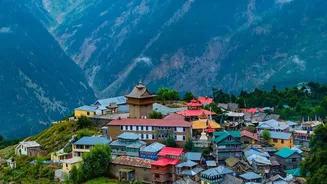
Flexibility isn't just a defence against disruption; it's an invitation to discovery. Some of the most memorable travel experiences happen when you deviate from the plan. A blocked road might lead you to a different valley where you stumble upon a vibrant local festival. A delayed morning could result in you sharing a cup of tea with a family at a homestay, an experience far more enriching than a rushed photo stop. Sikkim is dotted with hidden gems—secluded monasteries, quiet villages like Dzongu and Uttarey, and breathtaking viewpoints that aren't on the main tourist circuit. A rigid schedule focused on ticking off famous names like Gangtok and Pelling leaves no room for these spontaneous adventures. By embracing a 'slow travel' approach, you can immerse yourself more deeply in the local culture, spend an extra day in a village that captures your heart, or simply enjoy the mountain atmosphere without the pressure of a ticking clock.
How to Plan for Flexibility
Building a flexible itinerary doesn't mean having no plan at all. It's about smart planning. Start by booking your arrival and departure flights and perhaps the first and last night's accommodation. For the days in between, work with a reliable local driver or tour operator who knows the region well and can adapt to changing conditions. Instead of a fixed day-by-day schedule, group your desired destinations by region (East, West, North, South). Have a 'Plan A' for a popular route like North Sikkim, but also a 'Plan B' involving places like Ravangla or Yuksom in case your first choice becomes inaccessible. Discuss your interests with your operator—whether it's culture, nature, or adventure—so they can suggest suitable alternatives on the fly. Most importantly, build buffer days into your trip. Adding one or two extra days to your Sikkim holiday provides the breathing room needed to handle any delays without stress.