






Songs as Living History
In the vibrant tapestry of an Indian wedding, traditional songs, or 'geets', are much more than mere entertainment. They are a form of oral history, a social contract, and an emotional outlet woven into the fabric of the celebration. Typically led by
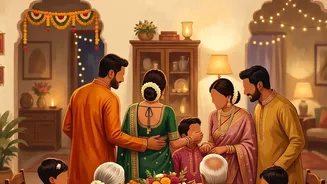
the women of the family, these songs are performed during ceremonies like the Mehendi and Haldi, creating an atmosphere of intimacy and connection. Passed down through generations, the lyrics often contain jokes about in-laws, advice for the couple, and poignant expressions of love and impending separation. Every region in India has its own unique repository of these melodies, each reflecting local customs, values, and the specific emotional landscape of the wedding journey. These songs ensure that cultural heritage is passed on, connecting the present generation with their ancestors.
The Playful Wisdom of Banna Banni
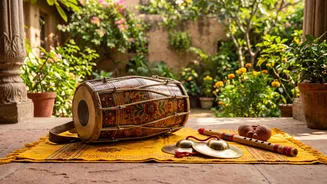
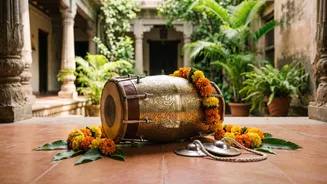
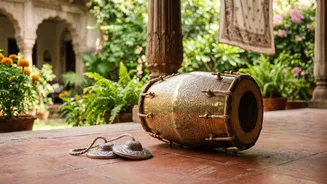
Across North India, particularly in Uttar Pradesh and Rajasthan, the tradition of 'Banna Banni' songs holds a special place. 'Banna' refers to the groom, and 'Banni' to the bride. These songs are a series of playful, teasing conversations set to music, often sung in a call-and-response format between the bride's and groom's families. The lyrics are a gentle, humorous way of preparing the couple for married life, offering advice and teasing them about the changes to come. In an era before couples met freely, these songs were a safe space for women to express themselves, joke about their new relatives, and ease the bride and groom into their new roles. Accompanied by the infectious beat of a dholak, Banna Banni geets are a celebration of the union, filled with laughter and light-hearted wisdom.
A Punjabi Daughter's Farewell
In Punjab, the 'Suhaag' songs are sung in the bride's home in the days leading up to the wedding. These melodies are steeped in a powerful mix of joy and sorrow. The lyrics are a poignant monologue from the bride's perspective as she stands on the threshold of a new life. She speaks to her father ('babul'), asking him to find her a good home, and reflects on leaving behind the familiar lanes of her childhood. One of the most famous motifs is 'Chiriyan Da Chamba' (a flock of sparrows), a metaphor for daughters who are destined to fly away from their family home. These songs are deeply emotional, often moving family members to tears as they capture the universal, bittersweet feeling of a daughter's 'vidaai' or farewell.
The Circles of Community in Ghoomar
In Rajasthan, Ghoomar is more than just the famously difficult, swirling dance; it is a community ritual deeply embedded in song. Originating with the Bhil tribe and later adopted by Rajput communities, the dance is traditionally performed by women on auspicious occasions, including weddings. As the women twirl in their vibrant 'ghagras', the song's lyrics often narrate local legends or celebrate the moment. Traditionally, a new bride is expected to dance the Ghoomar upon arriving at her marital home, a ritual that welcomes her into the new family. The songs and the circular dance formation symbolise the cyclical nature of life and the bride's integration into a new social circle, reinforcing her place within the community.
Tradition in a Modern Age
In today's world of curated Spotify playlists and high-energy Sangeet nights dominated by Bollywood choreography, one might wonder about the fate of these ancient traditions. While modern music certainly has its place, these regional folk songs have not disappeared. They persist, often led by the elder women of the family who act as guardians of this oral tradition. Furthermore, there is a growing movement among younger generations to reconnect with their roots, leading to a revival of interest in these authentic, hyperlocal songs. They offer a sense of personal history and cultural identity that a pan-Indian film song cannot. These geets make a wedding feel not just like an event, but a unique story rooted in a specific place and a specific family's heritage.