





The Quantum Hardware Challenge
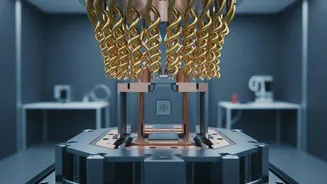
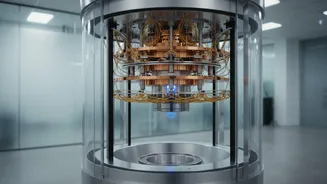
Quantum computers are not like the laptops or servers we use every day. They are highly sensitive, expensive machines that harness the strange laws of quantum mechanics to perform calculations far beyond the reach of classical computers. This power comes
at a cost: the hardware often requires extreme cold, sophisticated lasers, and specialised environments, making it impossible for a startup to simply buy one. This limited access to physical hardware has been a major bottleneck for innovation, leaving many brilliant ideas stuck on the drawing board. For Indian entrepreneurs looking to build the next generation of deep-tech solutions, this barrier has meant a dependency on foreign cloud platforms and a slower pace of development.
India's Strategic Quantum Leap
Recognising this challenge, the Indian government has initiated a sweeping strategic plan. The National Quantum Mission (NQM), approved in 2023 with a budget of over ₹6,000 crore, is a clear signal of intent. The mission's goal is to seed, nurture, and scale up research and industrial development, making India a global leader in quantum technologies. A core part of this strategy involves creating a network of Thematic Hubs (T-Hubs) at premier institutions like IISc Bengaluru and the IITs in Madras, Bombay, and Delhi. These hubs are designed to become centres of excellence, fostering collaboration between academia, government, and industry to build a self-reliant quantum ecosystem.
A Network of Opportunity
Instead of one single building, the 'new centre' is a distributed network of initiatives offering startups multiple pathways to quantum hardware. One of the earliest and most significant is the MeitY Quantum Computing Applications Lab, established in collaboration with Amazon Web Services (AWS). This lab provides selected researchers and startups with no-cost access to various quantum computers through the cloud-based Amazon Braket service. This allows developers to design, test, and run quantum algorithms on real hardware from providers like D-Wave and Rigetti without leaving their offices.
From Cloud Access to Physical Hubs
While cloud access is vital, physical collaboration hubs are crucial for deeper integration. In early 2026, Deloitte India launched its Quantum Centre of Disruption for Enterprises (QCoDE) at IIT-Bombay's research park. This centre explicitly aims to bring together startups, industry leaders, and academic researchers to accelerate practical quantum adoption and develop real-world use cases. Adding another dimension, August 2026 saw the inauguration of India's first on-campus quantum computer accessible to startups at Alliance University. Unlike cloud simulators, this physical installation, powered by Indian startup QpiAI, allows for direct, hands-on interaction with quantum hardware, creating a new benchmark for quantum education and R&D in the country.
Fuelling the Startup Engine
This multi-pronged approach directly addresses the needs of India's burgeoning quantum startup scene. For software-focused startups like Qulabs.ai, which builds simulators and educational tools, this ecosystem provides both a market and a talent pipeline. For hardware-focused pioneers like QpiAI and Qbit Force, it creates a collaborative environment and validates the demand for indigenous technology. The National Quantum Mission has specific guidelines to support startups through funding and mentorship, with several already being onboarded. This holistic support system is designed to de-risk the long and capital-intensive journey of deep-tech innovation, allowing founders to focus on solving big problems in sectors from finance and healthcare to materials science.