






A Sweet Start for Late-Season Stars
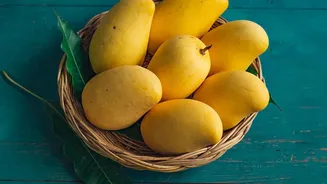
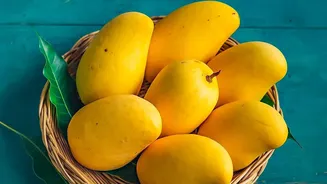
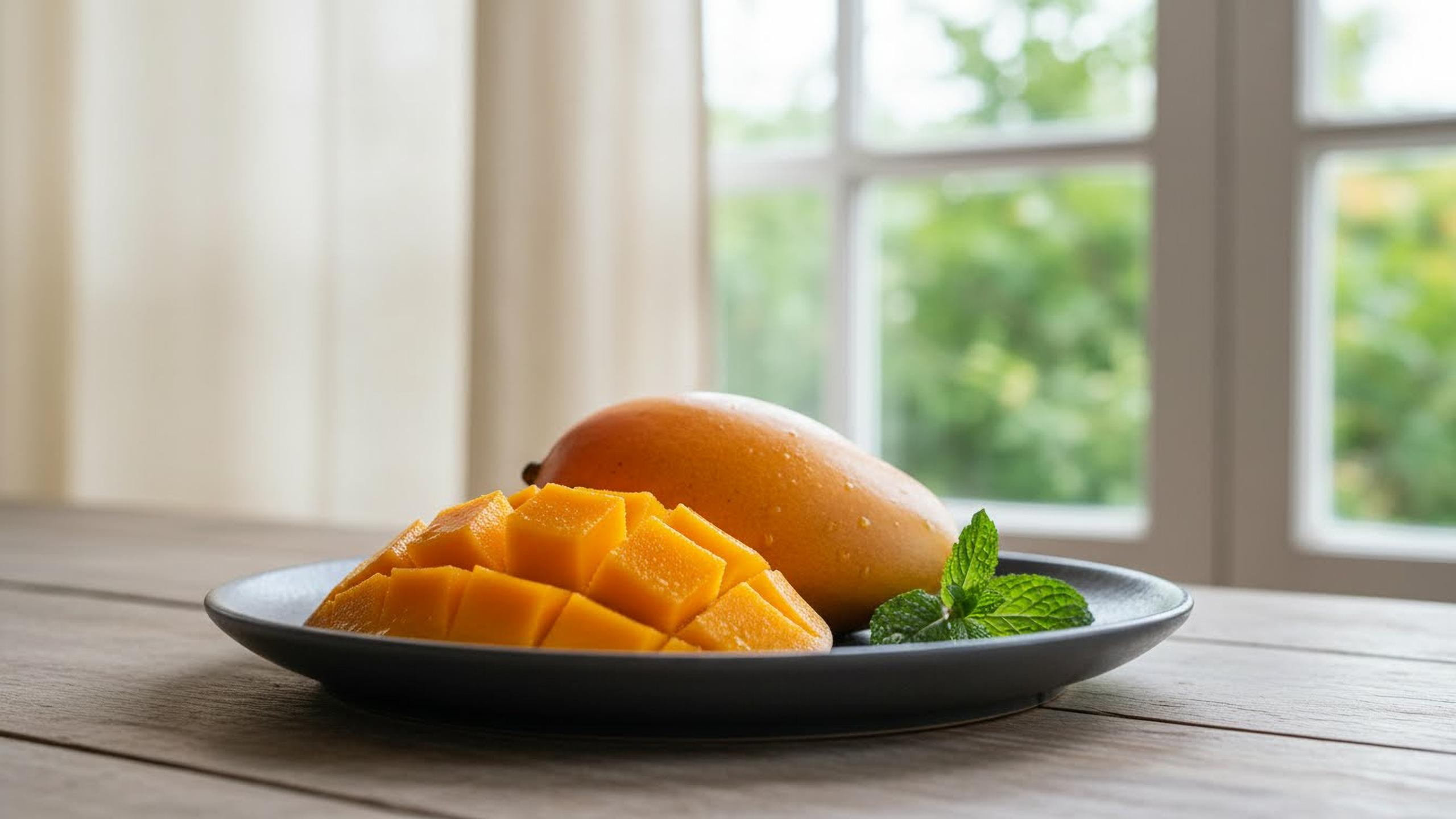
While the main mango season often winds down by June, the late-harvest varieties of Neelam and Totapuri offer a chance to extend India's presence in the global fruit market. Neelam is prized for its sweet, juicy pulp and rich aroma, making it ideal for desserts
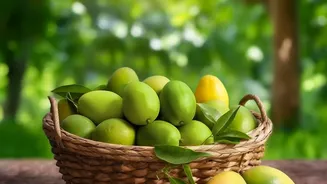
and beverages. Totapuri, easily recognised by its parrot-beak shape, has a unique sweet-and-tangy flavour that makes it versatile for both eating fresh and for industrial processing into pulp and concentrate. This recent export initiative, facilitated by the Agricultural and Processed Food Products Export Development Authority (APEDA), saw a one-metric-tonne consignment of these mangoes flagged off on July 30, 2026, marking a significant step in promoting Karnataka's specific horticultural strengths. The shipment is a crucial pilot that could unlock new, sustained demand for varieties that are harvested from late June through July.
A Lifeline for Struggling Farmers
This export opportunity arrived at a critical time for many growers in Karnataka's Kolar district, a major mango belt. Recently, farmers of the Totapuri variety have faced severe distress due to a price crash in local markets, with prices plummeting to as low as ₹3 per kilogram due to oversupply and low demand from processing factories. The direct export model provides a much-needed alternative. Farmers involved in the first consignment to the Maldives realised returns over 50% higher than what they would have received in conventional domestic markets. For instance, Totapuri mangoes that were fetching just ₹3 to ₹4 per kg locally were procured for export at ₹30 per kg, while Neelam fetched ₹72 per kg against a local market price of around ₹30. This direct linkage to global buyers, by-passing intermediaries, has demonstrated a clear path towards enhancing farmer incomes and providing stability in a volatile market.
The Logistics of Farm to Flight
The successful shipment was the result of a coordinated effort involving multiple stakeholders. The mangoes were sourced directly from farmers associated with the Prakruthimaya Farmers Producer Company Ltd. in Kolar. This collective approach helps in aggregating produce, ensuring consistent quality, and giving farmers better bargaining power. The consignment was handled by Ahalya Devi Ventures, a new company led by a woman entrepreneur, highlighting a welcome trend of increasing female participation in the agri-export sector. APEDA, under the Ministry of Commerce & Industry, played a pivotal role in facilitating the process, from establishing market linkages to ensuring quality parameters were met. This initiative showcases how Farmer Producer Companies (FPCs) can act as a crucial bridge, connecting local farm communities to international markets through organised and quality-focused supply chains.
Expanding India's Mango Basket
This first-of-its-kind export from Karnataka to the Maldives is about more than just one shipment; it's a strategic move to broaden India's overall mango export portfolio. By promoting late-season varieties like Neelam and Totapuri, India can cater to international demand beyond the peak harvest period of more famous varieties like Alphonso and Kesar. This not only extends the export window but also diversifies the offerings, tapping into different consumer preferences and processing industry needs. While this initial shipment was a modest one metric tonne, the positive feedback is expected to pave the way for larger quantities next season. The success serves as a powerful case study for APEDA and state governments on how to build robust export channels for other horticultural products, strengthening India's position as a reliable supplier of premium fruits and vegetables.