





Essential Viewing Tools
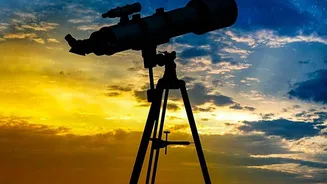
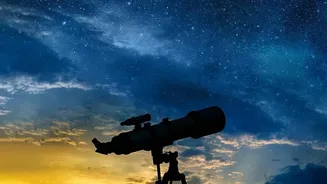
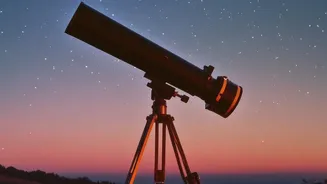
While a telescope seems like the most obvious tool, it is not always essential for a great night of stargazing, especially for beginners. A good pair of binoculars, such as 10x50s, can be a fantastic and more portable option. They offer a wide field of view,
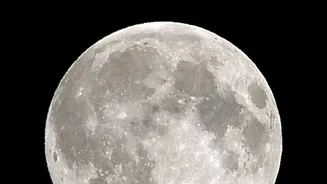
making it easy to scan the Milky Way or get a closer look at star clusters and the Moon. Perhaps the most crucial piece of gear is a red flashlight or headlamp. It takes about 20 to 30 minutes for your eyes to fully adapt to the dark, and a single blast of white light from a standard flashlight or phone screen can ruin your night vision instantly. A red light allows you to see your surroundings and read charts without resetting your eyes.
Dress in Layers for Warmth
Even on a mild day, temperatures can drop significantly after sunset, especially on clear nights when there is no cloud cover to trap heat. The key to staying warm is dressing in layers. Start with a moisture-wicking base layer made of merino wool or a synthetic material; avoid cotton, as it traps sweat and can make you colder. Add an insulating mid-layer like a fleece or a down jacket, and top it off with a windproof outer shell. A warm hat, gloves, and wool socks are also critical, as you lose a lot of heat through your head and extremities when sitting still. Touchscreen-compatible gloves can be particularly useful for operating apps on your phone.
Prioritise Your Comfort
A cold and uncomfortable stargazer will not last long. The difference between a 20-minute session and a full night of observation often comes down to comfort. A reclining camp chair or even a simple blanket or beach towel to lie on can save you from neck strain. Bringing a thermos of a hot beverage like tea or hot cocoa is a classic move for a reason—it can warm you from the inside out and make the experience much more pleasant. Snacks are also a good idea to keep your energy up. For chilly nights, chemical hand warmers can be a game-changer, tucked into your gloves or pockets for extra warmth.
Navigate the Night Sky
Once you are settled, you will want to know what you are looking at. A planisphere, or star wheel, is a classic, battery-free tool for identifying which constellations are visible at a specific date and time. For a more modern approach, there are numerous smartphone apps like SkyView, Stellarium, or Star Walk. These apps use your phone's GPS and compass to create a real-time map of the sky. Just be sure to use the 'night mode' feature, which turns the screen red to preserve your dark-adapted vision. Having a printed star chart as a backup is also a wise decision.
Safety and Other Essentials
When venturing into a dark, remote location, a few safety precautions are in order. Always let someone know where you are going and when you expect to return. Ensure your phone is fully charged. It is also wise to have a basic first-aid kit in your car. If you are in an area known for insects during warmer months, bug spray is a must. Finally, for those interested in capturing the moment, a DSLR or mirrorless camera with manual controls and a sturdy tripod are the key items for basic astrophotography.