




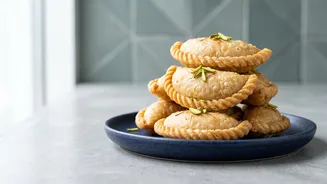

A Tradition Steeped in Sweets
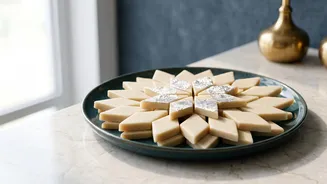
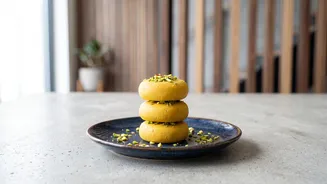
In India, festivals are inseparable from food. The upcoming season, which includes major celebrations like Navratri and Diwali, triggers a massive surge in the consumption of traditional sweets, known as 'mithai,' and savory snacks. These aren't just
treats; they are integral to religious ceremonies, family gatherings, and gift-giving. The demand is astronomical, with countless small shops, temporary stalls, and large-scale manufacturers working around the clock. Key ingredients like 'khoya' (milk solids), 'paneer' (a fresh cheese), ghee (clarified butter), and various flours form the foundation of these delicacies. This cultural explosion of culinary activity, however, creates a perfect storm for a critical public health issue: food adulteration.
The Nationwide Push for Purity
To combat this and other food safety issues, the Food Safety and Standards Authority of India (FSSAI) has been spearheading a national effort to modernize the country's food system. This drive, often referred to as the 'Eat Right India' initiative, aims to ensure food is safe, healthy, and sustainable. The FSSAI is responsible for setting standards, issuing licenses to food businesses, and overseeing enforcement. In recent years, it has shifted towards a risk-based inspection system, focusing resources on higher-risk segments of the food supply chain. It has also introduced measures to simplify compliance for smaller businesses while increasing penalties for violations. The overarching goal is to build a culture of safety in a rapidly expanding food market, but the festive season puts this entire framework under immense pressure.
Why Festivals Are the Ultimate Stress Test
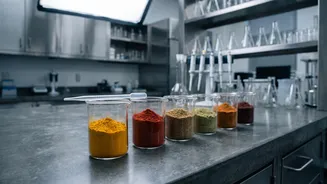
The sheer scale and speed of production during festivals create enormous incentives for corner-cutting. To meet the soaring demand and maximize profits, some producers resort to dangerous practices. 'Khoya' and 'paneer' are often bulked up with starch, while milk may be diluted or even mixed with urea or detergent to mimic thickness. Ghee can be adulterated with cheaper vegetable oils or animal fat. To make sweets more visually appealing, some vendors use non-permitted industrial dyes instead of food-grade colors. Even the decorative silver foil ('vark') on sweets is sometimes replaced with toxic aluminum foil. These adulterants not only cheat consumers but pose serious health risks, from stomach infections and allergic reactions to long-term organ damage.
Raids, Seizures, and Real-Time Tracking
In response, the FSSAI has directed authorities across all states to intensify inspections and sampling ahead of Navratri and Diwali. The crackdown specifically targets milk products, sweets, edible oils, and other high-demand items. Recent enforcement actions have already yielded significant results. In the Delhi national capital region alone, authorities have seized and destroyed thousands of kilograms of suspected adulterated 'khoya' and 'paneer' in recent weeks. In one neighboring area, over 10,000 kg of adulterated paneer were seized after a series of raids. To improve oversight, FSSAI has mandated that all inspection and sampling data be logged in a real-time digital system. Mobile testing vans, known as 'Food Safety on Wheels,' are also being deployed to prominent markets to conduct on-the-spot tests and raise consumer awareness.