



A New Eye on Our Cosmic Shield
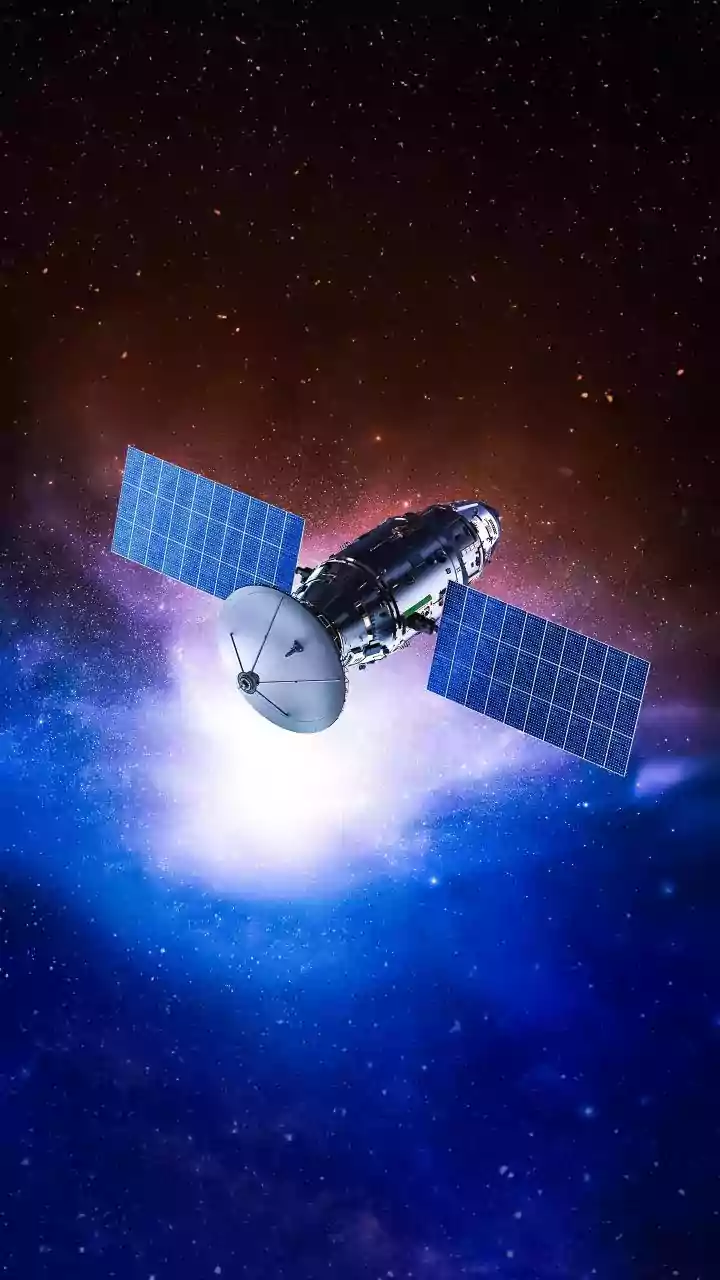
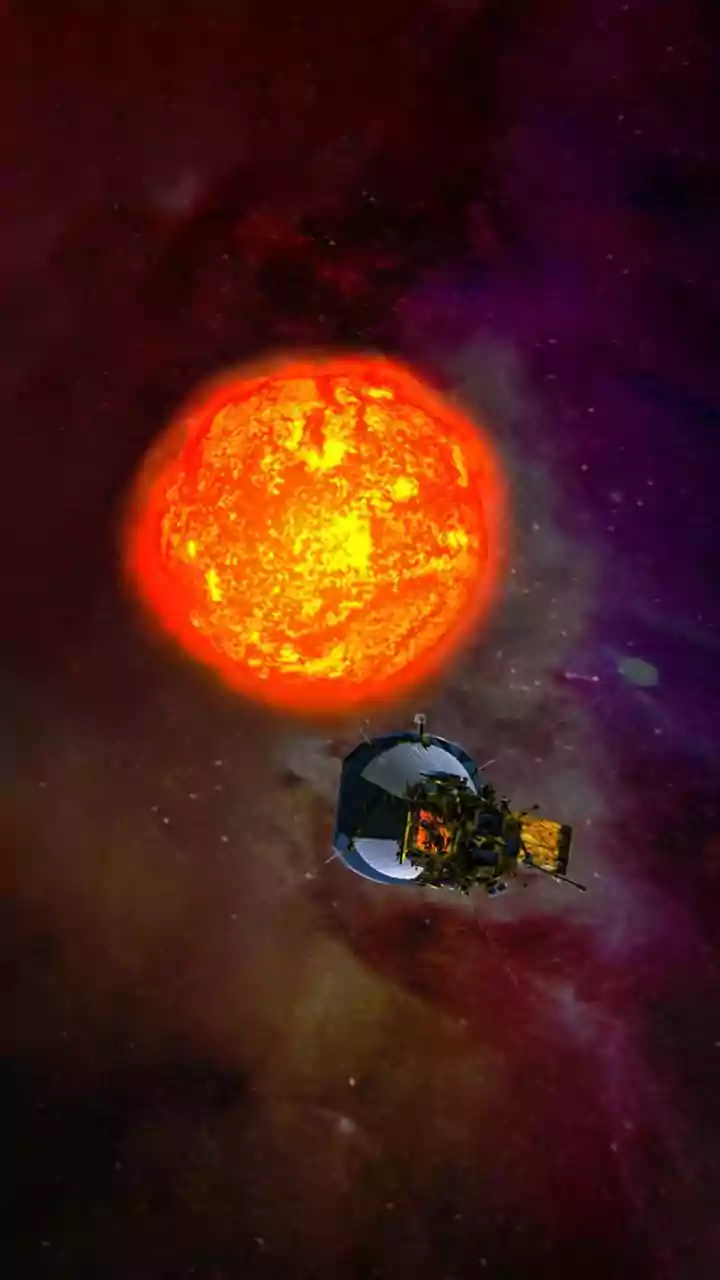
Launched in late 2025, NASA's Interstellar Mapping and Acceleration Probe, or IMAP, is a state-of-the-art celestial cartographer. Its primary job is to investigate the boundary of our solar system from a unique vantage point about 1.5 million kilometres
from Earth. The mission carries a suite of ten advanced science instruments designed to 'see' the invisible. Unlike the legendary Voyager probes, which have traveled through this boundary, IMAP is designed to create a comprehensive, 3D map of the entire structure from afar. The release of its first scientific data gives us the earliest look from this ambitious new eye in the sky.
What Exactly Is the Solar Bubble?
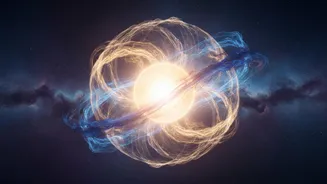
This 'solar bubble' is technically called the heliosphere. It’s a vast region of space inflated by a constant stream of charged particles flowing from the Sun, known as the solar wind. This bubble surrounds the Sun and all the planets, acting as a crucial shield. As our solar system journeys through the Milky Way, the heliosphere pushes back against the interstellar medium—the gas and dust that fills the space between stars—protecting planets like Earth from a significant amount of harsh galactic cosmic radiation. Without this protective bubble, our cosmic neighborhood would be a much less hospitable place. The heliosphere is not a perfect sphere; it's thought to have a comet-like shape, with a rounded nose and a long, trailing tail.
Unpacking the First Data
So how do you map something so vast and invisible? IMAP’s genius lies in its ability to detect special messengers from the edge of the solar system called Energetic Neutral Atoms (ENAs). These particles are created when the hot solar wind collides with the cold interstellar medium at the heliosphere’s boundary. Because they are electrically neutral, these atoms are not deflected by magnetic fields and travel in straight lines across billions of kilometres. By capturing these ENAs and tracing their origins, IMAP’s instruments can build a map of where they came from, effectively painting a picture of the heliosphere's structure. The first data release includes observations from seven of IMAP's instruments, providing the foundational pieces for this groundbreaking new map.
From a Glimpse to a Global Map
Before IMAP, our understanding of this cosmic boundary came from missions like the Interstellar Boundary Explorer (IBEX), which provided the first-ever maps, and the Voyager spacecraft, which sent back data as they physically crossed into interstellar space. While invaluable, those were like single weather stations in a global climate system. IMAP represents a major leap forward, designed to provide a higher-resolution, dynamic map of the entire heliosphere and how it changes over time. The initial data already offers a tantalizing preview of the detail IMAP will capture, showing the distribution of particles that form the heliosphere's edge with greater clarity than ever before.
Why Mapping This Bubble Matters
This isn't just academic. A better understanding of our cosmic shield has real-world implications. The heliosphere is our first line of defense against damaging galactic radiation. Knowing its shape, strength, and how it interacts with the interstellar medium is fundamental to understanding the conditions that allow for life in our solar system. Furthermore, IMAP also serves as an advanced space weather monitor. Its instruments measure the solar wind in real-time, providing crucial data that can help predict solar storms and protect our satellites, power grids, and, most importantly, astronauts on future missions to the Moon and Mars.