



The Power of Potato Starch
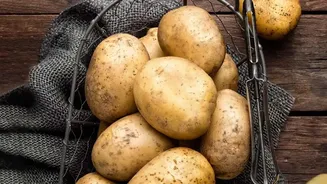
At its core, a potato is a package of water and starch granules. These granules are made of two types of molecules: amylose and amylopectin. The ratio of these starches determines a potato's destiny. High-starch potatoes, like Russets, have more large
starch grains, making them ideal for fluffy, light textures when baked or roasted. Waxy potatoes, like new potatoes or fingerlings, have smaller starch grains and more moisture, so they hold their shape well, making them perfect for boiling and using in potato salads. Understanding this basic composition is the key to mastering how different cooking methods transform the tuber.
Boiling: A Gentle Transformation
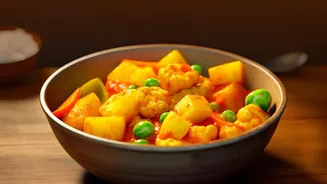
When you boil a potato, you're using a 'wet heat' method. The potato is submerged in water that, at sea level, cannot exceed 100°C. As the potato heats up, its starch granules absorb the surrounding water and begin to swell. This process is called starch gelatinization. Once the temperature reaches about 58-66°C, the granules rupture, releasing their contents and creating a soft, tender, and often creamy texture inside the potato. However, because the temperature is limited by the boiling point of water, it’s not hot enough to trigger the browning reactions that create a crust. This is why boiled potatoes are pale and soft, never crispy.
Frying: A Fierce Dehydration
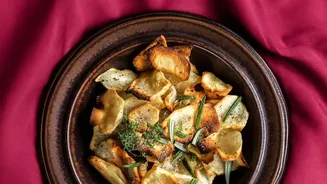
Frying is a 'dry heat' method, even though it uses liquid oil. The oil can reach temperatures far higher than boiling water, often around 175-185°C. When a potato hits this hot oil, the water at its surface instantly vaporizes, violently escaping as steam. This rapid dehydration is what forms a crispy, brittle crust. While the exterior is drying out, the high temperature also kicks off a series of chemical changes called the Maillard reaction. This reaction between amino acids and sugars in the potato creates hundreds of new flavour compounds and the signature golden-brown colour we associate with fried foods. The inside, meanwhile, effectively steams in its own trapped moisture, cooking it through to become tender.
Roasting: The Best of Both Worlds
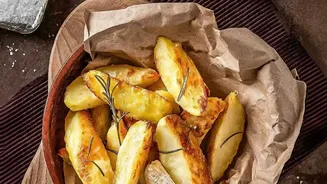
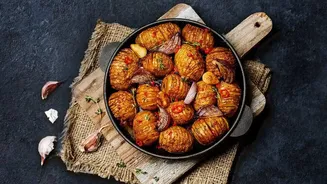
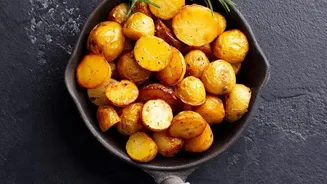
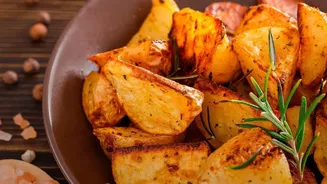
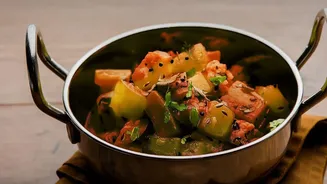
Roasting is a fascinating middle ground that combines elements of both boiling and frying. It’s a dry heat method that works in two stages. First, the dry, hot air of the oven begins to heat the potato. The moisture inside the potato turns to steam, cooking the interior and making it fluffy—a process similar to what happens during boiling. As the cooking continues, the moisture on the potato's surface evaporates. Once the exterior is sufficiently dry, its temperature can rise above 100°C. This allows the Maillard reaction to begin, creating a deep brown, flavourful, and wonderfully crispy crust. This crust is typically thicker and chewier than a fried potato's because the dehydration process is slower and more gradual.
How to Achieve Your Perfect Texture
You can use this science to your advantage. For the crispiest roasted potatoes, many chefs parboil them first. Boiling roughs up the surface and starts the gelatinization process. When these potatoes are then tossed in oil and roasted at high heat, the slightly damaged, starchy exterior dehydrates and fries into an incredibly craggy and crunchy crust that a raw-roasted potato can't match. So, for soft and creamy, boil. For a thin, shattering crust, fry. And for a robust, golden crust with a fluffy interior, roast—and consider a quick boil first to take them to the next level.