







A Splash of Colour at Choglamsar
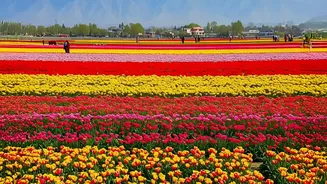
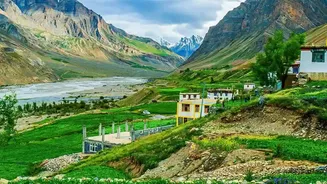
Against the stark, beautiful backdrop of Ladakh's mountains, the flower fields at Choglamsar are in full, glorious bloom. Covering part of a massive 40-acre spread, these twin gardens are a new and ambitious project designed to transform the landscape.
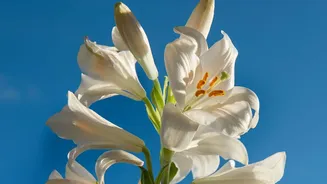
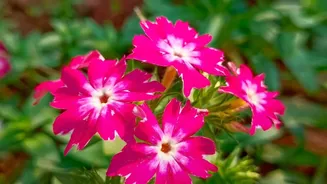
Since early September, this section of the garden has been awash with the vibrant shades of over a million Lilium and Gladiolus flowers. Visitors who arrived after the gardens opened on September 18 were greeted by a sea of yellow, white, orange, and red blooms, creating a spectacular visual against the rugged terrain. The Choglamsar field, where plantation began in mid-July, is the first to mature, offering a breathtaking sight at an altitude of 10,600 feet.
The Logic of a Late Bloom
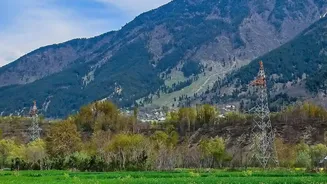
Just a short distance away, the second half of this floral spectacle, Stakna, tells a different story. Here, the fields are green with anticipation. Plantation at Stakna began in August, a month after Choglamsar, with nearly 1.4 million Lilium bulbs carefully sown. This deliberate delay is key to the project's design. The flowers at Stakna are expected to start blooming towards the end of October, extending Ladakh's floral season for tourists and locals alike. This staggered approach ensures that as the colours in Choglamsar begin to fade, a fresh wave of blooms will emerge at Stakna, creating a continuous display and offering distinctly different scenes for visitors depending on when they arrive. The variation is a masterclass in horticultural planning, leveraging the region's unique growing conditions.
More Than Just a Pretty View
These twin gardens are more than just a tourist attraction; they represent a significant step towards agricultural diversification and economic opportunity in Ladakh. Described by the administration as the 'world's highest-altitude twin flower fields', the project aims to establish floriculture as a viable livelihood in a region known for its harsh climate and short growing season. The initiative, developed in a record time of two months, will also serve as a training centre for local farmers. By combining technology with traditional practices, the goal is to empower self-help groups, cooperatives, and young entrepreneurs to tap into the lucrative national and international flower markets. The first consignment of 15,000 premium Lilium stems has already been dispatched to major Indian cities, marking a successful first step.
A New Chapter for Ladakhi Agriculture
The choice of flowers is no accident. Lilium and Gladiolus were selected for their high value and suitability for Ladakh's unique agro-climatic conditions. Lilium bulbs perform exceptionally well in cold climates, making them a natural fit for the high-altitude environment. The project is being implemented with scientific support from the CSIR-Institute of Himalayan Bioresource Technology (CSIR-IHBT), Palampur, ensuring that the cultivation is both sustainable and productive. This initiative not only adds a vibrant aesthetic to the otherwise barren landscape but also showcases Ladakh's potential as a hub for high-altitude floriculture, promising to strengthen the local economy and provide new, sustainable incomes.