


The Magic of Flattened Rice
Poha is essentially rice that has been parboiled, flattened into light, dry flakes, and then dried. This simple process makes it incredibly quick to cook, as it requires minimal time to soften. It is available in several varieties, mainly thick and thin
flakes. Thick poha is ideal for savoury dishes as it holds its shape well without turning mushy, while the delicate thin poha is often used in sweet preparations or snacks that require no cooking. Nutritionally, poha is a powerhouse. It's a great source of healthy carbohydrates, providing sustained energy. It's also rich in iron and B vitamins, light on the stomach, and easy to digest, making it an excellent breakfast choice for all ages.
The Classic Savoury Poha
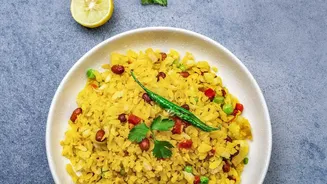
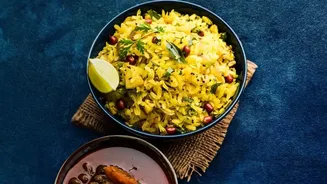
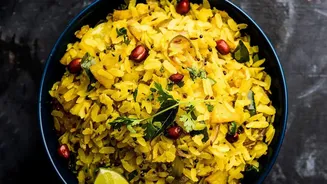
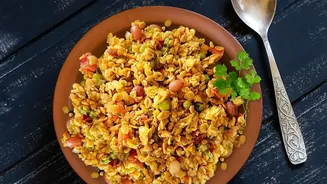
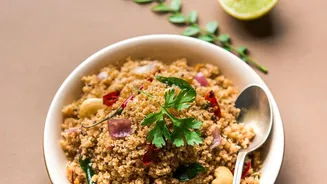
The most famous poha preparation is the savoury kind, with 'Kanda Batata Poha' from Maharashtra being a beloved classic. This dish involves a simple tempering of mustard seeds, curry leaves, and green chillies in hot oil. Chopped onions ('kanda') and sometimes potatoes ('batata') are sautéed until soft, after which the rinsed and softened poha is added along with turmeric for colour and a little salt and sugar for balance. Peanuts are often added for a delightful crunch. A final squeeze of lemon juice and a garnish of fresh coriander complete this iconic breakfast, which comes together in under 25 minutes.
Zesty Lemon and Hearty Vegetable Variations
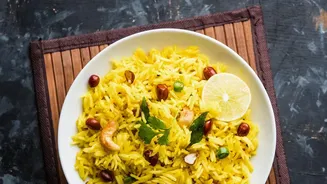
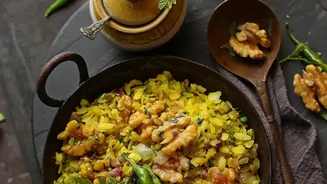
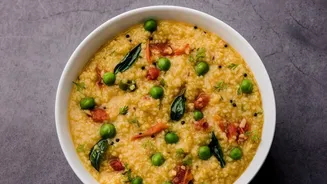
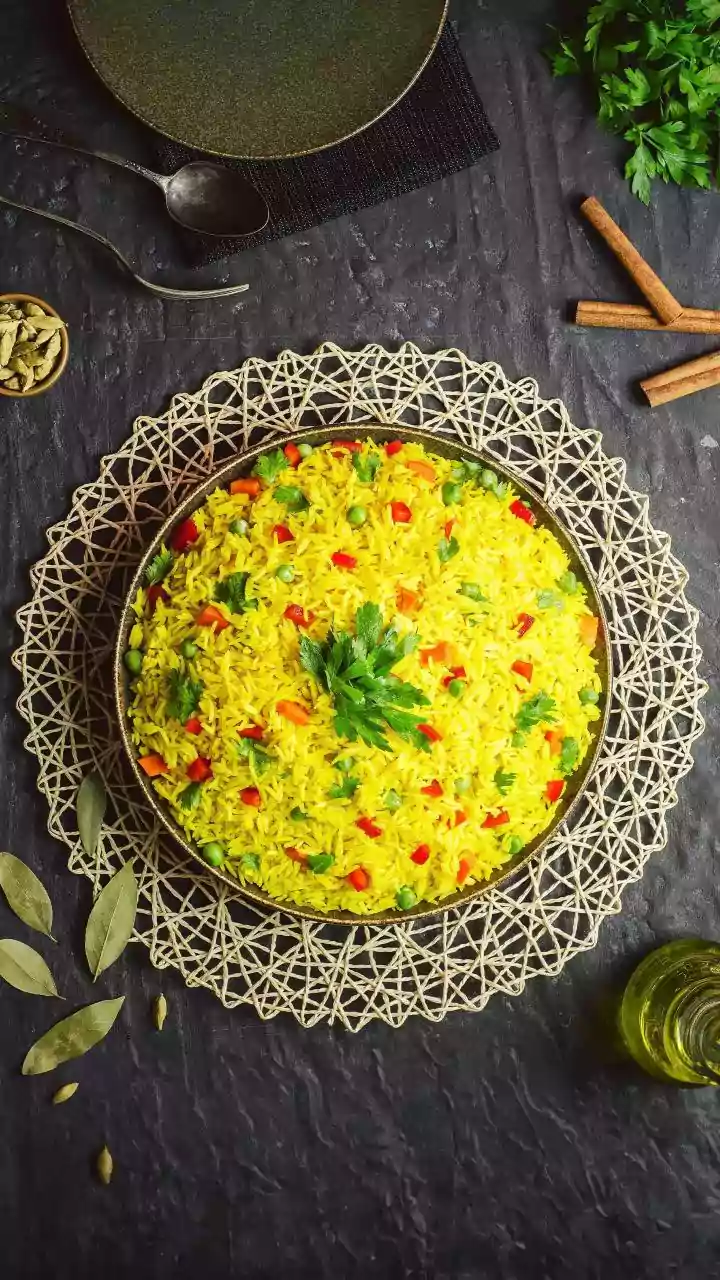
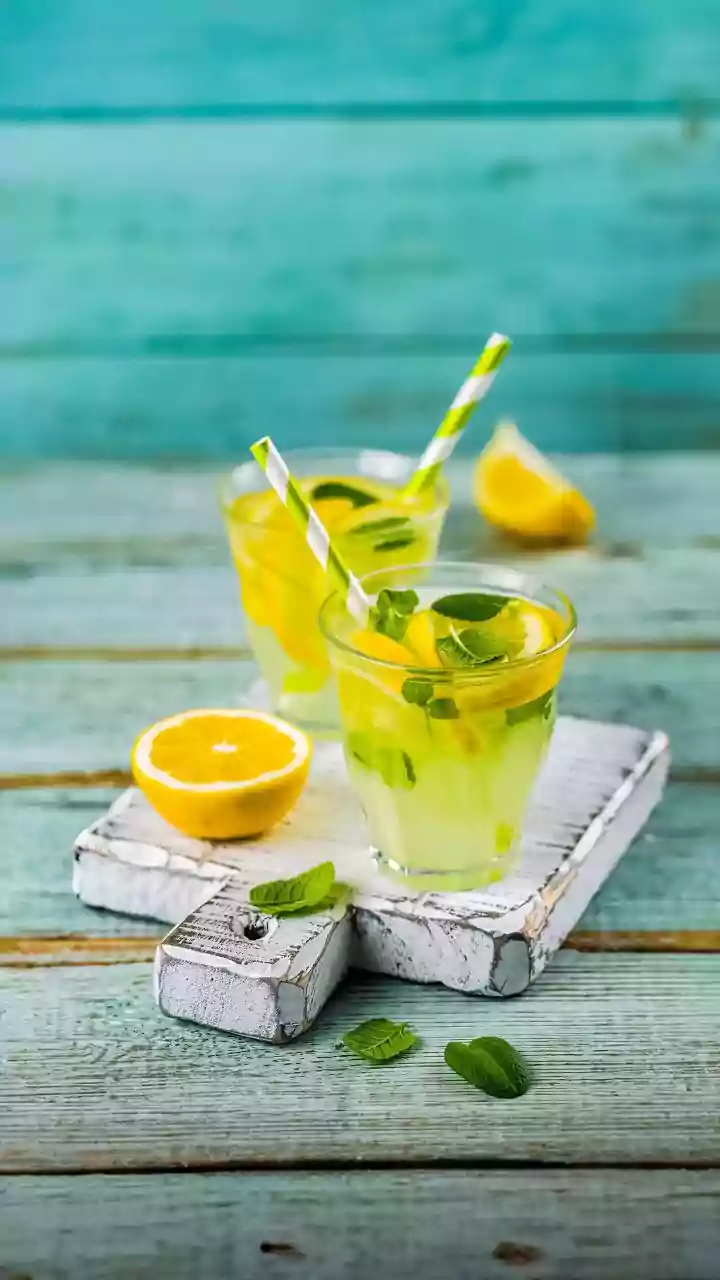
For a tangy twist, Lemon Poha is a fantastic option. The preparation is similar, but the star flavour comes from a generous amount of fresh lemon juice added at the end, giving the dish a refreshing kick. To make your breakfast even more nutritious, Vegetable Poha is the way to go. You can add a variety of finely chopped vegetables like carrots, peas, bell peppers, and French beans to the tempering. This not only adds vitamins and fibre but also brings beautiful colour and texture to the plate, making it a complete and balanced meal.
Exploring Sweet Poha Options
While savoury poha is more common, sweet versions offer a unique and delightful experience. Often prepared for festivals or as a light dessert, sweet poha is simple and requires very few ingredients. A popular method involves mixing rinsed thin poha with freshly grated coconut and powdered jaggery. The natural moisture from the coconut helps soften the poha flakes, while the jaggery provides a rustic sweetness. The mixture is often flavoured with cardamom powder and garnished with ghee-roasted cashews and raisins for a touch of richness and crunch.
Tips for Perfect, Fluffy Poha
The key to great poha lies in its texture; it should be soft and fluffy, not dry or mushy. The most crucial step is washing the flattened rice. For thick poha, it's best to rinse it in a colander under running water for a few moments until it softens, then let it drain completely for about 10-15 minutes. Avoid soaking it in a bowl of water, as that can make it soggy. A good test is to press a flake between your thumb and finger; it should break easily. When cooking, always add the poha to the pan last and mix gently, using a folding motion to combine it with the spices and vegetables to prevent the flakes from breaking. Cooking it covered on low heat for a couple of minutes helps it steam and become fluffy.