


An Audacious Idea Takes Shape
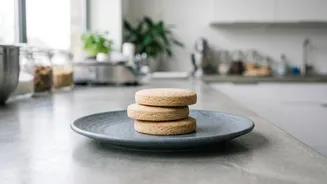
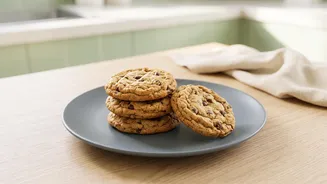
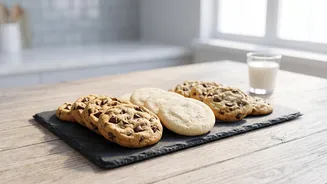
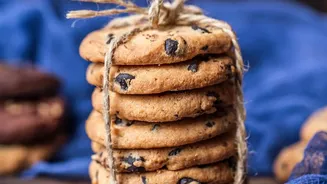
Scientists at Southern Illinois University (SIU) have unveiled a concept that sounds like science fiction: a protein-rich cookie made, in part, from discarded PET plastic bottles. The project, which created a prototype called µBites (pronounced 'microbites'),
treats plastic pollution and food scarcity not as separate issues, but as interconnected challenges. The core idea is to view the vast carbon stores in plastic waste as a feedstock for creating something valuable: food. While still in the demonstration phase, this research, presented at the American Chemical Society's Fall 2026 conference, opens up a fascinating new frontier in upcycling.
From Plastic Bottle to Protein Powder
The process doesn't involve simply grinding up plastic. Instead, it relies on a clever, multi-step biological transformation. First, PET plastic and agricultural residues like corn stalks are broken down using a process called oxidative hydrothermal dissolution. This method uses high-pressure water and oxygen to break the tough materials into smaller, more accessible molecules. This creates a liquid that can be consumed by microbes. Specially engineered yeasts, including common baker's yeast, are then introduced. These microorganisms consume the carbon-rich molecules from the broken-down plastic and crop waste, converting them into proteins, fats, and other nutrients. The researchers stress that the final product does not contain plastic particles; the material is fundamentally transformed on a molecular level by the yeast.
The Genius of Engineered Yeast
The true innovation lies in programming these tiny biological factories. Using gene-editing technology, the SIU team has engineered different yeast strains to produce specific outcomes. For example, one strain was modified to create beta-carotene—a precursor to Vitamin A—from ethylene glycol, a component derived from the PET plastic. Another strain of baker's yeast was programmed to generate vanillin, the compound responsible for vanilla's distinct flavour, from the plant-based waste in the mixture. This approach mirrors how other essential products, like insulin, are now produced using engineered yeast instead of being extracted from animal sources. By tasking microbes with the work, scientists are creating a more sustainable and controlled production method.
3D Printing the Final Product
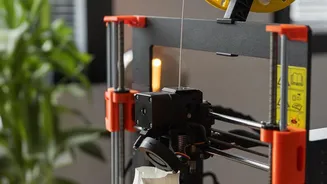
Once the yeast has produced a nutrient-rich biomass, the process isn't over. This microbial goo is mixed with other ingredients like starch and fibre to create a dough-like paste. That paste is then extruded through a 3D food printer, which can shape it into a desired form, such as the prototype µBites cookies. The 3D printing step offers precision and the ability to create specific textures and shapes, turning the unstructured protein biomass into a more palatable and familiar food product. This technology is already being explored for creating other food alternatives, such as plant-based seafood and whole-cut meat analogues, demonstrating its versatility in the future of food production.
Challenges on the Horizon
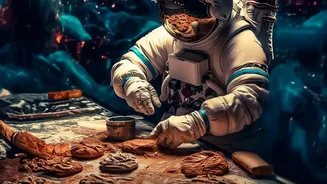
While the science is promising, µBites are not yet ready for consumption. The team is awaiting institutional approval for taste tests and is conducting further safety assessments, including screenings for toxins and digestion simulations. Consumer acceptance also presents a significant hurdle; the idea of eating something derived from plastic, even after a complete molecular transformation, requires a major perceptual shift. Furthermore, the process is currently expensive, though researchers believe costs will decrease as the technology is scaled up. This research was partly funded by NASA's Deep Space Food Challenge, highlighting its potential for resource-limited environments like long-duration space missions, disaster zones, or submarines, where turning waste into sustenance is a critical advantage.