





The Core Difference: Support vs. Stability
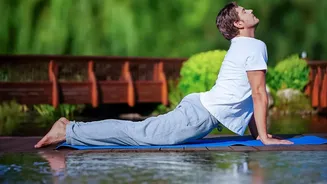
The primary distinction between aqua yoga and paddleboarding lies in your relationship with the water. In aqua yoga, the water is your partner. Practiced in chest-deep water, the pool supports your body, reducing the impact on your joints and making poses
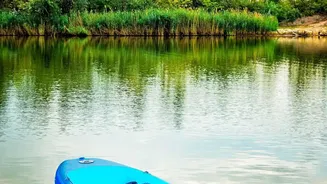
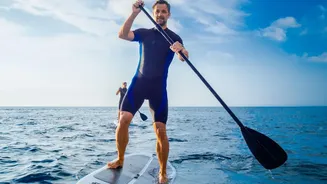
feel more accessible. The water's buoyancy allows for greater flexibility and a feeling of weightlessness, which is ideal for those with joint pain, limited mobility, or who are just starting an exercise routine. Stand-up paddleboarding (SUP), on the other hand, is about mastering balance on top of the water. Your goal is to remain stable on a board while navigating. Instead of supporting you, the water presents a constant, gentle challenge. Every small ripple requires your core muscles to engage and adjust. It’s less about floating and more about conquering the wobble.
The Physical Challenge: Gentle Resistance or Full-Body Burn?
Both activities deliver a fantastic workout, but they target your body in different ways. Aqua yoga is a form of low-impact resistance training. The water creates a gentle, consistent resistance from all directions, strengthening muscles without the strain of weights or gravity. It improves flexibility, balance, and body awareness in a therapeutic setting. Paddleboarding is a full-body powerhouse. The act of paddling works your arms, back, and shoulders, but the real work is in your core. Staying upright on the board demands constant engagement from your abdominal and back muscles to maintain stability. Your legs and glutes are also working to help you balance. It's an incredible workout for building core strength and improving proprioception—your body's awareness of its position in space.
The Learning Curve: Confidence from Day One
For an absolute beginner, aqua yoga has a much gentler learning curve. If you can stand in a pool, you can do aqua yoga. Poses are modified for the water, and the supportive environment reduces fear of falling or injury, allowing you to focus on the movements. Paddleboarding looks more intimidating than it is, but it does require a bit more initial practice. Most beginners start on their knees to get a feel for the board's balance before attempting to stand. With a wide, stable board on calm water, many people are able to stand and paddle within their first hour. Falling in is part of the learning process, but it can be a mental hurdle for some. The key is to keep your knees bent and your gaze on the horizon, not at your feet.
The Gear and Accessibility: Pool vs. Open Water
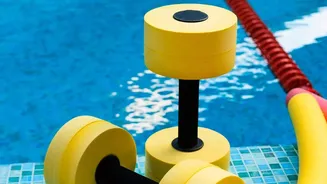
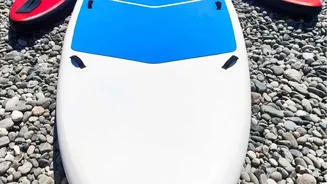
Getting started with aqua yoga is simple. All you truly need is a swimsuit and access to a pool that offers classes. Some classes might use props like pool noodles, but these are almost always provided. Paddleboarding requires more specialized equipment and a suitable location. You'll need a paddleboard, a paddle, and a personal flotation device (PFD). Boards come in various types and price points, from inflatable models that are easy to transport to rigid epoxy boards. You'll also need access to a calm body of water like a lake, bay, or slow-moving river. The initial investment in gear and finding the right spot makes it a bit less accessible than dropping into a local pool class.
The Mental Game: Mindfulness vs. Freedom
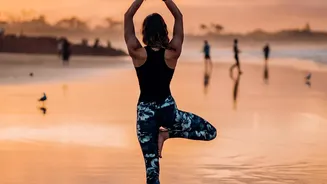
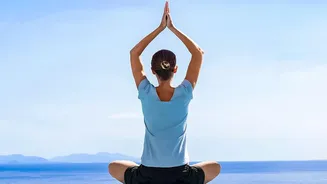
Both activities are praised for their mental health benefits. Aqua yoga promotes a meditative, inward focus. The combination of mindful breathing, gentle stretching, and the soothing sensation of water is incredibly effective for stress reduction. It's a practice of connecting with your body and breath in a calm, controlled environment. Paddleboarding offers a different kind of mindfulness—one rooted in focus and freedom. You have to stay present to maintain your balance, which clears your mind of other distractions. There's also a profound sense of peace and connection with nature that comes from gliding across the water, exploring the environment under your own power.