


What Is This Green Drink?
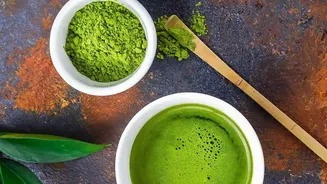
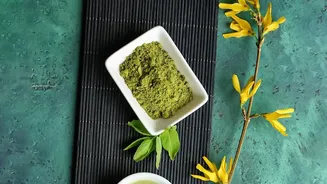
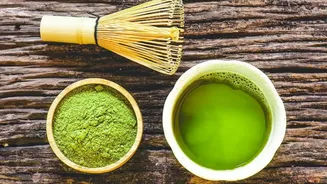
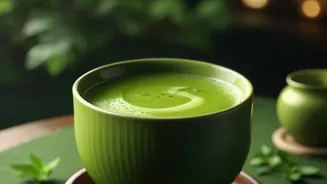
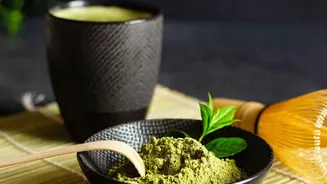
Matcha is a finely ground powder of specially grown and processed green tea leaves, traditionally associated with Japanese tea ceremonies. Unlike regular green tea where you steep the leaves and then discard them, with matcha you are consuming the entire
leaf. This is prepared by shade-growing tea plants before harvest, which gives the leaves a more vibrant colour and a different flavour profile. After harvesting, the leaves are steamed, dried, and stone-ground into a delicate powder. This process results in a drink with a richer, more complex flavour—often described as having 'umami' or savoury notes—and a thicker, creamier texture compared to the lighter taste of steeped green tea.
Why is Matcha Trending in India Now?
Matcha's rise in India is being driven by a blend of global wellness trends, social media aesthetics, and a growing appetite for new culinary experiences. For many urban Indians, particularly millennials and Gen Z, it's seen as a sophisticated and health-conscious alternative to coffee or traditional chai. The drink’s striking green colour makes it highly “Instagrammable,” fitting perfectly with the modern visual culture of food and lifestyle. This curiosity is moving beyond just trying it at a cafe; Google search data shows a dramatic spike in interest for making it at home. In the past year, searches for “how to make matcha” surged by 1,300%, while searches for tools like “matcha whisk” and “matcha bowl” also saw breakout interest, indicating a shift toward building a home ritual. The trend is most prominent in cities like Delhi, Goa, and Chandigarh, which lead in local searches for matcha cafes.
The Wellness Factor
Much of matcha's appeal lies in its reputation as a superfood. Because the whole leaf is consumed, it delivers a more concentrated dose of the compounds found in green tea. Matcha is particularly rich in catechins, a type of antioxidant that helps protect the body's cells from damage. It also contains L-theanine, an amino acid that can promote a state of calm alertness, which is why many people drink it for focus without the jittery side effects sometimes associated with coffee. This combination of caffeine and L-theanine is a key part of its appeal for those interested in functional beverages. While studies have pointed to benefits for heart health, brain function, and stress reduction, it's important to view it as part of a balanced lifestyle rather than a miracle drink.
An Indian Makeover
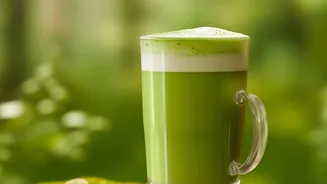
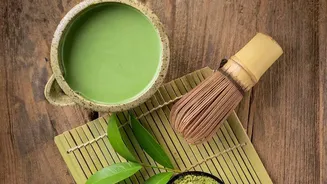
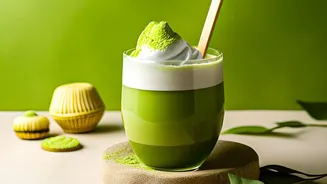
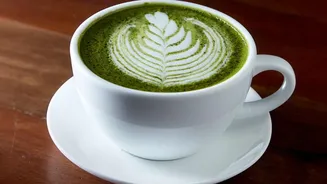
While traditional matcha is prepared with just hot water, its adaptation in India has been far more creative. The most common entry point for new drinkers is the matcha latte, a creamier, often sweetened version made with steamed milk. However, Indian cafes and home experimenters are not stopping there. Data shows significant search interest for flavour combinations like “mango matcha” and “strawberry matcha,” which add a familiar, fruity sweetness to the drink. The versatility of the powder means it's also appearing in desserts like ice cream, kulfi, and cakes at bakeries and cafes across major cities like Mumbai, Bangalore, and Delhi. This fusion shows how a global trend is being adapted to local tastes, making it more accessible to a wider audience.
Your First Cup: How to Get Started
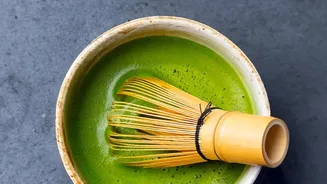
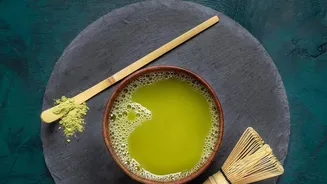
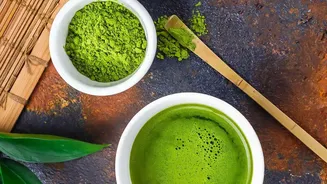
Curious to try it for yourself? Visiting a specialty cafe is a great start. Many third-wave coffee shops and dedicated matcha bars now offer high-quality preparations. When ordering, you can often choose between a traditional water-based tea or a milk-based latte. If you're ready to try making it at home, you'll need matcha powder, a bowl, and a small whisk (a traditional bamboo whisk, or 'chasen,' works best). For a simple latte, start by sifting one teaspoon of matcha powder into a bowl to remove clumps. Add a small amount of hot (not boiling) water and whisk vigorously in a zig-zag motion until it becomes a frothy paste. Then, top it up with about 150-200ml of steamed milk of your choice and sweeten to taste if desired.