


The Tale of Two Cinnamons
Most people don't realise that the word "cinnamon" on a label can refer to two very different spices. The first is Ceylon cinnamon, often called "true cinnamon," which comes from the Cinnamomum verum tree, grown primarily in Sri Lanka. It is prized for
its delicate, sweet, and complex flavour with citrusy notes. The second, and far more common variety, is Cassia cinnamon. This is what you'll almost certainly find in most supermarkets, as it is cheaper and easier to produce on a mass scale. Cassia comes from related trees, primarily in China, Vietnam, and Indonesia, and has a much stronger, spicier, and sometimes more bitter flavour.
What the Quill Shows You
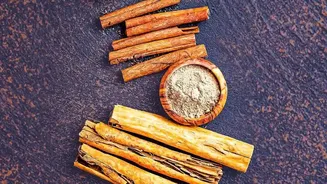
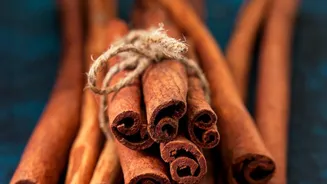
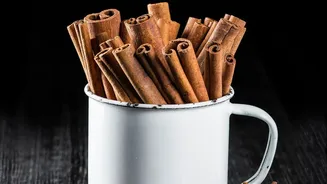
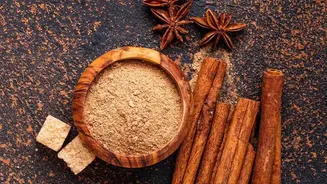
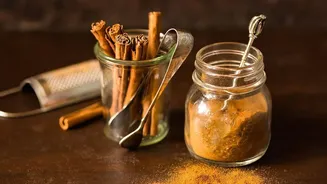
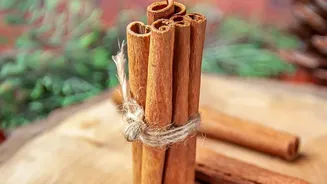
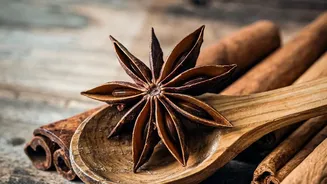
This is where the whole quill tells the story. A Ceylon cinnamon quill is light tan, composed of many thin, fragile layers of bark rolled together like a cigar. It's soft and can be easily crumbled between your fingers. A Cassia quill, by contrast, is a single, thick layer of bark that is much harder, darker reddish-brown, and curls inward from the sides to form a hollow scroll. The visual difference is stark and immediate. Once these two distinct spices are ground into a powder, it becomes nearly impossible for a consumer to tell them apart visually, which is why the powdered form can hide so much information.
The Powder Problem: Flavour and Fillers
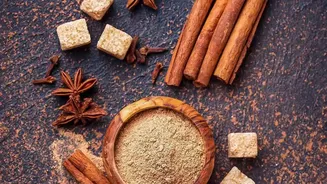
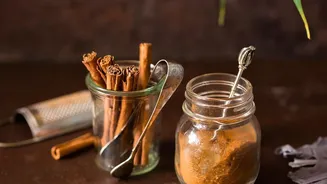
Because most pre-ground cinnamon sold globally is the cheaper Cassia variety, you are most likely getting its powerful, pungent flavour. While perfect for some robust baked goods, this flavour can easily overpower more delicate dishes, drinks, and desserts where the nuanced sweetness of Ceylon would shine. Beyond flavour, the opaqueness of powder creates another issue. While not always the case with reputable brands, the ground spice industry is not immune to bulking agents or fillers being mixed in. Buying whole quills guarantees you are getting 100% pure cinnamon bark, with no mystery additions.
A Note on Coumarin
There is also a health consideration that distinguishes the two types. Cassia cinnamon contains significantly high levels of a compound called coumarin. While safe in small amounts, high or prolonged intake of coumarin has been linked to potential liver issues in sensitive individuals. Ceylon cinnamon, on the other hand, contains only trace amounts of coumarin, making it a safer choice for those who consume cinnamon regularly or in large quantities for health purposes. This difference is one of the most important details hidden when you only see the word "cinnamon" on a jar of powder.
Putting Quills to Work in Your Kitchen
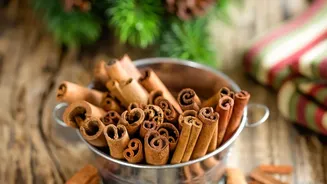
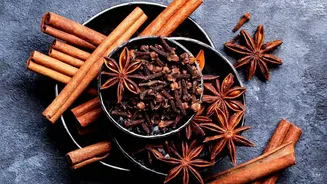
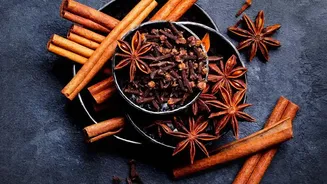
Using whole quills is simple and adds a layer of fragrant authenticity to your cooking. Their main strength is infusing liquids. Add a quill to simmering pots of tea, coffee, mulled wine, or apple cider for a clean, aromatic warmth without the grittiness of powder. They are essential in many savoury dishes, like Indian biryanis and meat curries, or Vietnamese pho, where they release their flavour slowly over the cooking time. You can also break them into pieces for homemade spice blends or grind them fresh for the most potent and vibrant flavour possible, giving you the best of both worlds.