



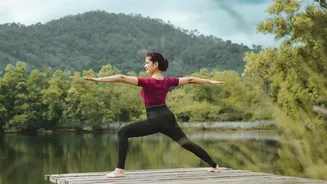
The Soul of Tai Chi: Meditation in Motion
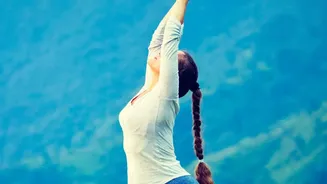
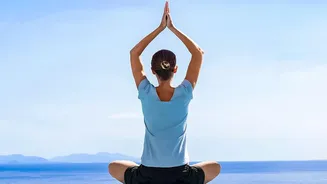
Tai Chi is an ancient Chinese practice that began as a martial art but is now primarily known for its health benefits. Often described as 'meditation in motion', it consists of slow, gentle, and continuously flowing sequences. The core idea is to cultivate
and balance the body's vital energy, or 'qi', through movements that are relaxed, rooted to the ground, and unbroken. Think of it as a graceful, standing dance where each posture melts into the next. A typical session involves performing a 'form'—a specific series of movements—that requires mental focus and physical coordination, but not strenuous effort. No equipment is needed, making it an accessible practice that can be done almost anywhere.
The Core of Pilates: Precision and Power
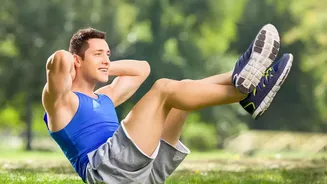
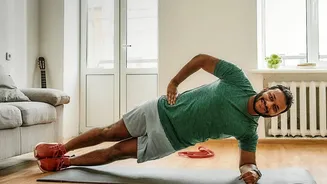
Pilates is a much younger discipline, developed in the early 20th century by Joseph Pilates for rehabilitation and physical conditioning. Its primary focus is on building strength in the body's 'powerhouse'—the deep muscles of the abdomen, back, hips, and pelvic floor. Unlike Tai Chi's continuous flow, Pilates is based on a series of distinct, controlled exercises performed with immense precision. The six core principles guide the practice: Breath, Concentration, Centering, Control, Precision, and Flow. While many exercises can be done on a mat, Pilates is also famous for its specialized equipment, like the Reformer, which uses springs to add resistance and support.
A Study in Contrasts: Movement and Feel
The fundamental difference lies in the intention behind the movement. Tai Chi is about circular, fluid motions and achieving a state of active relaxation. The focus is internal, on breath and energy flow. It feels calming and is designed to reduce stress while gently working the body. Pilates, on the other hand, is linear and anatomical. The focus is on muscular engagement, alignment, and stabilization. It feels more like a traditional workout, demanding intense concentration to isolate and strengthen specific muscle groups. While Tai Chi is almost always performed standing and moving, many Pilates exercises are done lying or sitting on a mat.
Physical Benefits: Balance vs. Core Strength
Both practices improve health, but their primary benefits diverge. Tai Chi is scientifically celebrated for its profound impact on balance, making it one of the best exercises for reducing fall risk, especially in older adults. Its slow weight shifts and coordinated movements train the body's stability systems. It also improves flexibility, mobility, and cardiovascular health in a gentle way.Pilates is unparalleled for developing core strength. A strong powerhouse improves posture, alleviates back pain, and creates a stable foundation for all other movements. It's highly effective for toning muscles, increasing flexibility, and rehabilitating injuries because of its focus on precise, controlled execution.
Mindful Gains: Finding Your Focus
While both are mind-body disciplines, they cultivate focus differently. Tai Chi's meditative quality helps calm the nervous system, reduce anxiety, and improve overall psychological well-being. The goal is a quiet, alert mind that is fully present in the flowing movements. The concentration required for Pilates is more analytical. You must think about your breath, which muscles are working, and the precise alignment of your body for every repetition. This intense focus enhances body awareness and control, forging a powerful mind-muscle connection.
Making the Choice: Which Is Right for You?
Your personal goals should guide your decision. Choose Tai Chi if you are looking for a gentle, recovery-friendly practice to reduce stress, improve your balance, and calm your mind. It is ideal for beginners, those with joint stiffness, or anyone seeking a meditative form of movement.Choose Pilates if your primary goal is to build deep core strength, improve your posture, tone your body, and gain a more structured workout. It is excellent for athletes looking to enhance performance, individuals recovering from injury (under guidance), or anyone who enjoys precise, challenging exercises that deliver visible results in strength and alignment.