


More Than Just a Bad Smell
Periodontal disease is the most common dental condition found in dogs and cats, with studies showing that over 80% of dogs and 70% of cats exhibit signs of it by age three. The problem starts with plaque, a sticky film of bacteria that forms on teeth.
If not removed, it hardens into tartar, irritating the gums and causing inflammation known as gingivitis. This is the earliest, reversible stage of dental disease. However, if left untreated, the condition progresses. The infection can move deeper below the gumline, destroying the tissues and bone that support the teeth, leading to intense pain, loose teeth, and eventual tooth loss.
The Hidden Dangers to Overall Health
The consequences of poor dental hygiene extend far beyond the mouth. The bacteria thriving in an an infected mouth can enter the bloodstream and travel throughout the body. This systemic spread has been linked to serious health problems in vital organs, including the heart, kidneys, and liver. Chronic inflammation and infection from dental disease can put a significant strain on a pet's entire system, potentially worsening existing conditions or contributing to new ones. This connection between oral health and overall wellness is why veterinarians are so adamant about proactive dental care; it's a crucial component of your pet's long-term health.
Warning Signs You Shouldn't Ignore
Pets are masters at hiding pain, so owners need to be vigilant. The most common sign people notice is persistent bad breath (halitosis). Other symptoms that warrant a call to your vet include: red, swollen, or bleeding gums; yellow or brown tartar buildup on the teeth; excessive drooling; difficulty chewing or dropping food; pawing at the face or mouth; and changes in eating habits or behaviour, such as reluctance to eat hard food or play with chew toys. Any of these signs could indicate that your pet is experiencing discomfort and needs a dental evaluation.
Prevention Is the Best Medicine
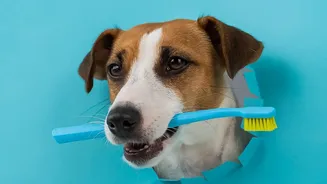
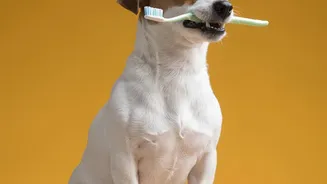
The gold standard for preventing dental disease is regular home care combined with professional cleanings. Daily tooth brushing with a vet-approved pet toothpaste is the single most effective way to remove plaque before it turns into tartar. If brushing isn't feasible, dental wipes, specific diets, water additives, and approved dental chews can also help reduce plaque. Look for products with the Veterinary Oral Health Council (VOHC) Seal of Acceptance, which indicates they meet standards for effectiveness. These at-home strategies, paired with annual veterinary check-ups, form a powerful defense against dental disease.
What a Professional Cleaning Involves
A professional veterinary dental cleaning is a thorough procedure performed under general anesthesia. This is a point of anxiety for many owners, but anesthesia is necessary for safety and allows the vet team to perform a comprehensive exam without causing stress or pain. The procedure starts with pre-anesthetic bloodwork to ensure your pet is healthy enough for the process. While anesthetized, a technician will take full-mouth X-rays to see problems below the gumline, like root damage or bone loss. They then use ultrasonic and hand scalers to remove all plaque and tartar from above and below the gumline, followed by polishing the teeth to create a smooth surface that resists new plaque formation.