

A Journey Back in Time
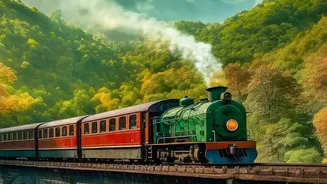
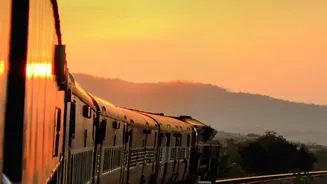
To ride the Kalka-Shimla Railway, often affectionately called the 'toy train', is to slow down and embrace a different era of travel. The train covers its 96-kilometre route in about five to six hours, a deliberate pace that allows passengers to absorb
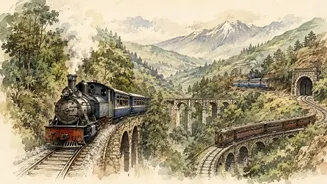
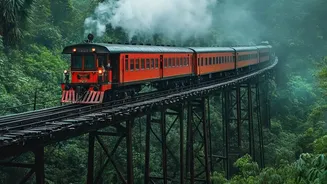
the stunning landscapes. As the train ascends from Kalka, the plains give way to rolling foothills, dense forests of pine and oak, and charming villages that seem untouched by time. This journey isn't about speed; it's about the experience of winding through the mountains, passing over historic bridges and disappearing into hand-carved tunnels, just as travellers did over a century ago.
An Engineering Marvel of the Raj
Inaugurated in November 1903, the railway was a monumental feat of engineering, built to connect Shimla, the summer capital of British India, with the rest of the country's rail network. The idea, first floated in the 1840s, became a necessity when the British administration began its annual relocation from Calcutta to the cooler climes of Shimla. Led by chief engineer Herbert Septimus Harington, the project involved laying a narrow-gauge track across treacherous mountain terrain. The line navigates an astonishing 919 curves, crosses over 864 bridges, and passes through 102 tunnels, a testament to the ingenuity and perseverance of its builders. In recognition of this achievement, UNESCO declared it a World Heritage Site in 2008, as part of the Mountain Railways of India.
Stations Steeped in History
The journey is punctuated by stops at 18 quaint stations, each with its own unique character. Dharampur, Solan, and Summer Hill are notable stops, but perhaps the most famous is Barog. This station is known for its proximity to Tunnel No. 33, the longest on the route at 1,143 metres. The story of the tunnel involves its original engineer, Colonel Barog, and a miscalculation that led to the two ends failing to meet, a tale that adds a layer of human drama to the engineering marvel. The current tunnel, engineered by H.S. Harington with the help of a local sage named Bhalku, remains a highlight of the trip, taking the train a full 2.5 minutes to cross. These stations are not just halts; they are portals to the past, with their colonial-era architecture and serene atmosphere.
More Than Just a Train Ride
While the historical significance and engineering are profound, for most passengers, the magic lies in the scenic beauty. The large windows of the coaches, especially the Vistadome cars with their glass ceilings, frame panoramic views of deep valleys and verdant hillsides. The slow speed allows for moments of connection with the surroundings — the sight of children waving from a nearby village, the fresh scent of dew on the leaves, and the ever-present backdrop of the majestic Himalayas. The railway is not merely a tourist attraction but remains a vital lifeline for local communities, a living piece of heritage that continues to serve its original purpose. It’s a journey that connects travellers not just to a destination, but to the history, culture, and natural splendour of Himachal Pradesh.