





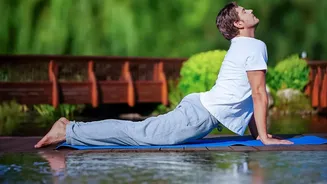
The Serene Support of Aqua Yoga
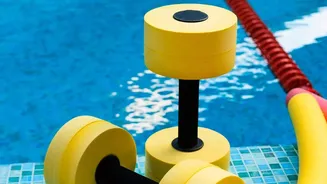
Imagine your favourite yoga poses, but instead of a mat on a hard floor, you’re submerged in the warm, supportive embrace of a pool. This is the essence of aqua yoga. Performed in waist or chest-deep water, this practice uses the water's natural buoyancy
and resistance to create a unique fitness experience. The buoyancy reduces the impact of gravity, making it incredibly gentle on your joints, bones, and muscles. This makes complex poses more accessible and reduces the risk of strain or injury, which is especially beneficial for beginners, seniors, or anyone recovering from an injury. But don't mistake 'gentle' for 'easy'. The water provides constant, gentle resistance from all directions, which helps to build muscle strength and tone as you move through each posture. The subtle instability of the water also forces your core muscles to engage more deeply to maintain balance, improving your stability without the high-stakes risk of falling over.
The Dynamic Challenge of the Board
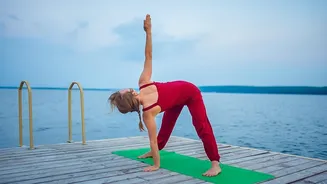
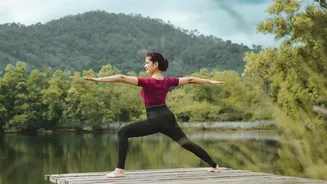
For those who crave a bit more adventure with their workout, stand-up paddleboarding (SUP) offers a compelling alternative. This activity involves standing on a board and using a paddle to propel yourself across open water. From a fitness perspective, it’s a powerhouse. The simple act of balancing on the board provides an incredible core workout, constantly engaging your abs, back, and leg muscles to keep you stable. Every paddle stroke is a full-body movement, working your arms, shoulders, and back while your core and legs work to counteract the motion and the water's movement. For those who love yoga, SUP Yoga takes this a step further by performing yoga sequences on the board. This intensifies the practice significantly, as every pose requires a much higher degree of balance, core strength, and concentration. While the risk of falling is higher, the reward is a significant boost in proprioception—your body's awareness of its position in space—and a deep sense of accomplishment.
Head-to-Head: Calm vs. Challenge
So, how do these two workouts stack up? Your choice largely depends on your personal fitness goals and what you find enjoyable. Intensity and Calorie Burn: SUP is the clear winner for intensity. A leisurely hour of paddleboarding can burn between 300 and 500 calories, while more vigorous paddling or racing can burn upwards of 700. Aqua yoga is a lower-intensity, low-impact workout focused more on flexibility, gentle strength, and balance.Primary Benefits: Aqua yoga excels at improving flexibility, range of motion, and balance in a safe, supportive environment. It is an excellent therapeutic exercise. SUP and SUP yoga are champions for building core strength, stability, and muscular endurance. Both are low-impact, meaning they are easy on the joints compared to land-based exercises like running.Accessibility: Aqua yoga is generally more accessible. It can be done in almost any swimming pool and is suitable for all ages and fitness levels. SUP requires access to a larger body of calm water (like a lake or calm bay) and the board itself. The initial learning curve for balance can also be a barrier for some.
How to Make Your Choice
Still undecided? Let your personality and goals guide you. Choose Aqua Yoga if: You are new to exercise, recovering from an injury, or have joint pain. You're looking for a workout that feels calming, restorative, and focuses on flexibility and stress reduction. You prefer the controlled, predictable environment of a swimming pool. You want to build confidence in your balance without the fear of falling.Choose a Paddleboard Workout if: You want a challenging, full-body workout that heavily targets your core strength. You love being outdoors and the idea of exploring nature while you exercise. You have a decent sense of balance (or are eager to develop it) and don't mind getting wet. You're looking to burn a significant number of calories and build functional strength.