



An Icon Forged in Petrol
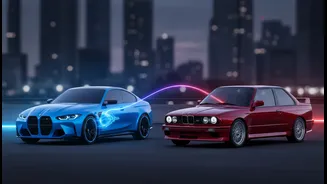
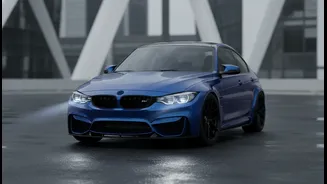
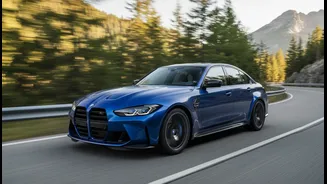
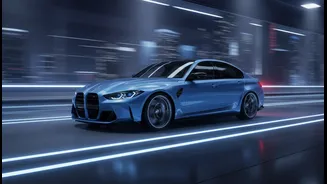
For nearly 40 years, the BMW M3 has been the definitive sports sedan. It wasn’t just a faster 3 Series; it was a complete transformation. Each generation, from the original E30 homologation special to the twin-turbocharged G80, has been defined by its
powertrain. Whether it was a high-revving four-cylinder, a screaming inline-six, or a brute-force V8, the engine was the car's heart and its defining soundtrack. The M3 name became shorthand for a specific kind of experience: motorsport-derived performance you could use every day, a car that felt connected, balanced, and, most importantly, alive. It represented the pinnacle of BMW’s “Ultimate Driving Machine” promise.
The Electric Challenge
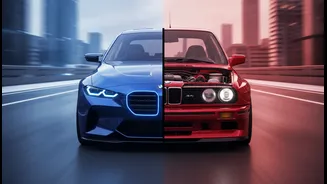
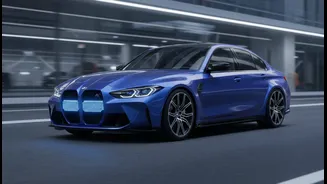
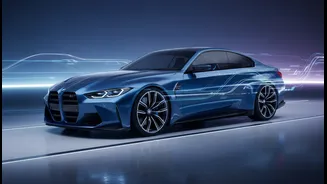
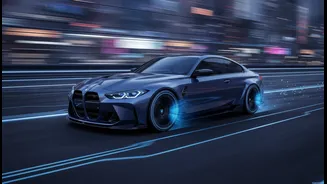
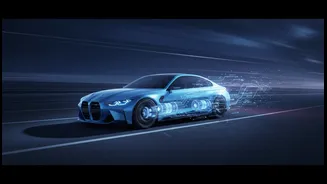
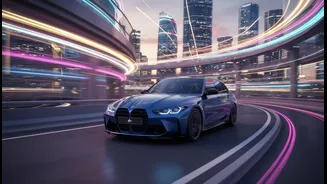
The industry's pivot to electric vehicles poses an existential threat to identities built on the character of internal combustion. Without the rumble, the gears, and the smell of gasoline, what is a muscle car? What is a hot hatch? And what, exactly, is an M3? BMW’s answer is to bet on the brand itself. The upcoming electric M3, set to arrive around 2027 on the advanced 'Neue Klasse' architecture, will feature a quad-motor setup designed to deliver a new level of performance and dynamic control. BMW M CEO Frank van Meel has been clear: the goal isn't just to make it fast in a straight line, but to make it faster and more capable on a track than its petrol-powered predecessors.
It's an M3, Period
Many assumed BMW would use its electric 'i' prefix, creating an 'iM3' to differentiate the new model. But van Meel recently shut that speculation down for good. “Of course it’s called M3,” he stated, noting that the car has always been called an M3 regardless of its engine configuration over the years—four-cylinder, six-cylinder, or V8. The powertrain, in his view, is a technical detail, not the core identity. The M3 nameplate, BMW argues, represents the promise of being the best performance car in its segment. Full stop. This decision deliberately rejects the idea that electric cars are a separate category, instead integrating the new technology into the brand's most sacred lineage.
A Calculated Risk with Huge Reward
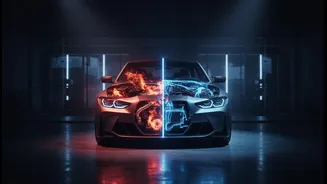
This is a strategically brilliant, if risky, move. Brand equity is one of the most valuable assets a company holds. Names like 'M3', '911', and 'Mustang' carry decades of history, emotion, and marketing investment. Creating a new, sterile name like 'iM3' would effectively abandon that equity, forcing the new car to build its reputation from scratch. By keeping the M3 name, BMW is transferring all that history and expectation onto its electric future. It's a sign of confidence. The company is telling enthusiasts that this new car isn't an electric alternative to the M3; it is the M3. This also allows BMW to keep its options open. The company is developing an internal-combustion M3 successor in parallel, meaning for a time, customers will have a choice between two different M3s with distinct powertrains.
The Promise Must Be Kept
The risk, of course, is dilution. If the electric M3 fails to deliver the feel, engagement, and emotional connection drivers expect, the backlash could damage the nameplate for a generation. BMW seems acutely aware of this. Van Meel speaks of creating an emotional attachment through engineered sound and simulated feedback, ensuring the driver still feels in control and connected to the machine. He emphasizes that the car was developed with driving dynamics as the primary target, not just headline-grabbing horsepower figures. The challenge is immense: to replicate a feeling that has always been tied to mechanical sensations in a package that is inherently digital. If they succeed, they won't just have made a great electric car; they will have proven that a truly great brand is defined by the promise it makes to its customers, not the technology it uses to keep it.