
More Than Just a Trend
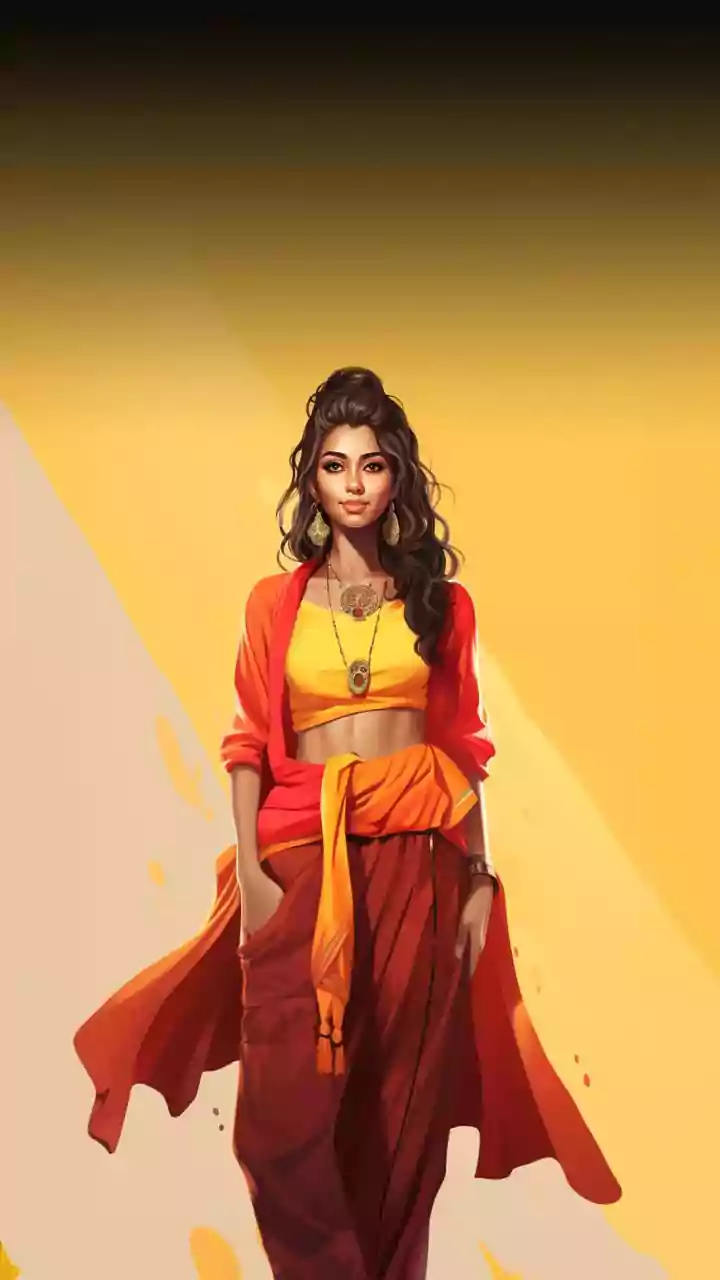
For years, festive Indian clothing brought to mind specific, beloved silhouettes: the intricate saree, the voluminous lehenga, or the graceful Anarkali. While these classics remain cherished, a powerful shift is redefining celebratory attire. Enter fusion
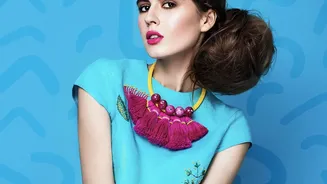
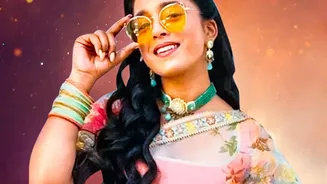
wear: a dynamic blend of Indian craftsmanship and textiles with contemporary, often Western, silhouettes. This isn't about replacing tradition, but reimagining it for a new generation. Think of it as a conversation between heritage and modernity, where the rich textures of Banarasi silk or the delicate art of Chikankari embroidery meet the clean lines of a tailored jumpsuit or the ease of a pre-draped gown. The result is an aesthetic that offers the best of both worlds—cultural pride with everyday practicality.
The New Festive Staples
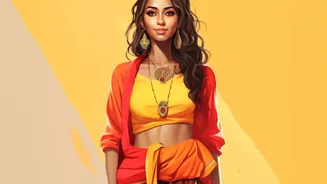
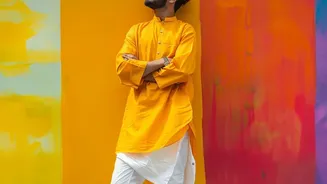
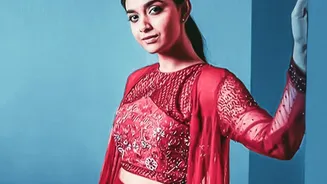
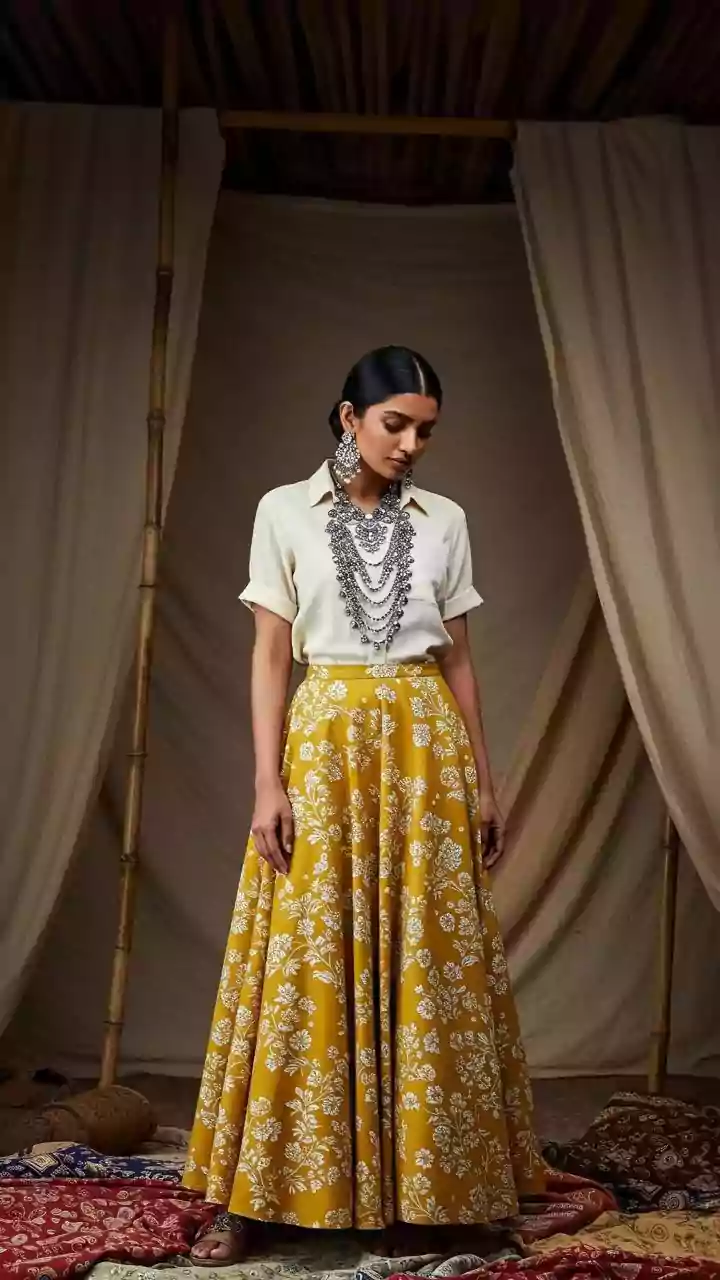
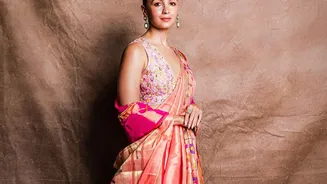
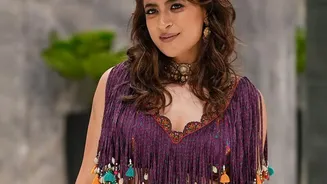
This new wave of design has introduced a fresh set of staples to the festive wardrobe. The saree gown, for instance, offers the stunning elegance of a draped saree without the complicated pleating, making it a go-to for cocktail parties and receptions. Another favorite is the lehenga skirt paired not with a traditional choli, but with a crisp shirt, a modern crop top, or even a structured blazer. Cape sets are also rising in popularity, adding a layer of flowing drama over skirts, palazzos, or even cigarette pants. Other key silhouettes include dhoti pants paired with embellished tops, embroidered jumpsuits that are both chic and comfortable, and lightweight kurta sets with asymmetrical cuts or high-low hems. These designs prioritize comfort and movement without sacrificing an ounce of festive glamour.
A Reflection of Modern Identity
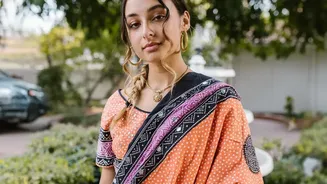
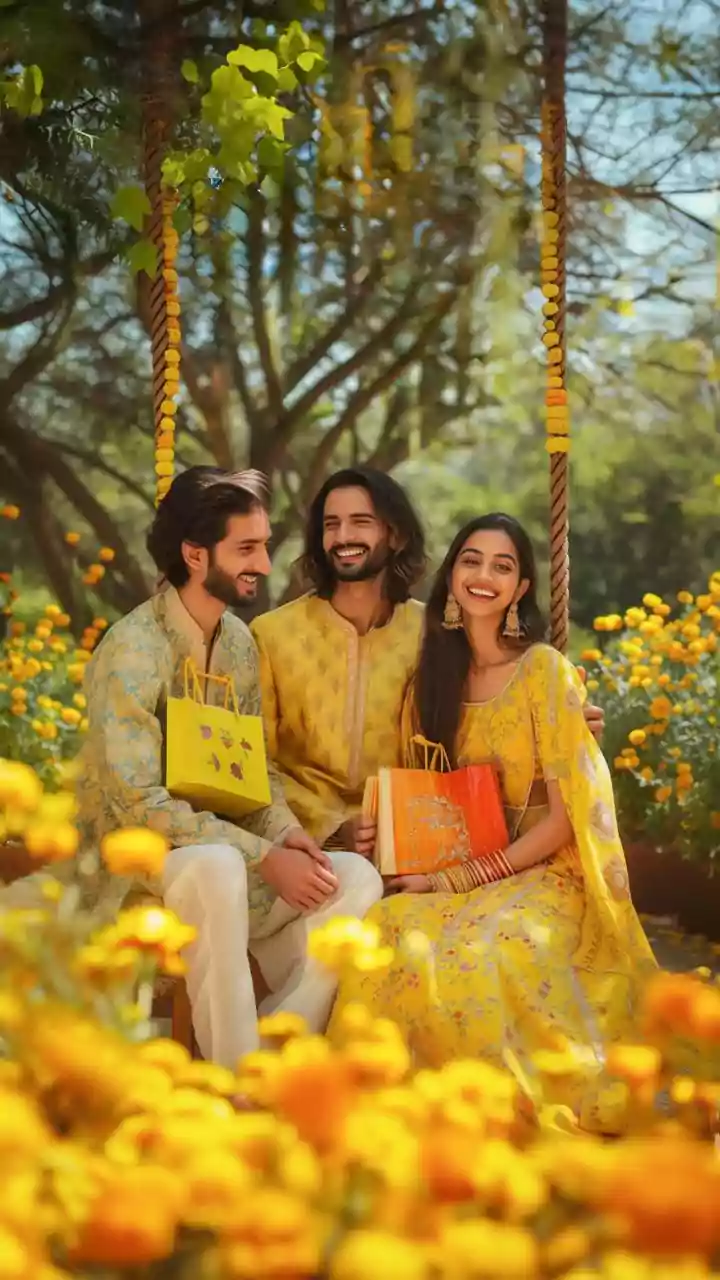
The rise of fusion fashion is about much more than just aesthetics; it's a direct reflection of a cultural shift. For many, especially within the global Indian diaspora, identity is not a monolith. It's a fluid blend of heritage and contemporary life. Fusion wear allows individuals to express this multifaceted identity, celebrating their roots while embracing a global perspective. The demand is driven by a desire for versatility. People want beautiful, well-crafted clothing they can wear to a wedding, a festive dinner, or a holiday party without feeling out of place or restricted. It speaks to a modern lifestyle where one might attend a religious ceremony in the morning and a cocktail event in the evening. This evolution shows that tradition doesn't have to be rigid; it can be adaptable, personal, and profoundly relevant today.
What Designers Are Doing
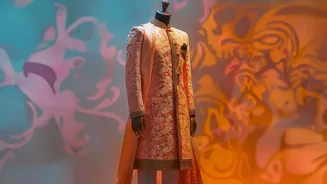
Leading Indian designers are at the forefront of this movement, championing new ways to interpret classic techniques. They are experimenting with lighter fabrics, modular designs, and global-inspired aesthetics. For example, some are using traditional block prints on modern co-ord sets or applying intricate zardozi embroidery to a tailored jacket. Well-known names are creating concept sarees that are pre-draped or feature innovative textures, making them accessible to a wider, global audience. This creative energy is not about diluting Indian craftsmanship but expanding its reach, proving that heritage techniques can thrive within contemporary silhouettes. By doing so, designers are ensuring the longevity and relevance of these art forms for generations to come, creating pieces that are seen as both stylish investments and acts of cultural preservation.